AC Installation in Chandler, IN
AC installation in Chandler, IN delivers precise sizing, energy efficiency, and expert setup with thorough testing and warranty guidance. Learn more.

AC Installation in Chandler, IN
Looking for AC installation in Chandler, IN? We know that getting a new air conditioner is a big decision for any homeowner. Here in Chandler, those hot, humid Indiana summers really put your cooling system to the test. That's why having a properly sized and expertly installed AC unit from Perfect Climate Heating and Air isn't just about keeping cool – it means more comfortable indoor air, lower energy bills, and fewer unexpected breakdowns. We're here to help make that investment a smart one.
.jpeg)
Why a local approach matters for AC installation in Chandler, IN
Chandler experiences warm, humid summers that increase latent cooling loads and stress air conditioners. Local housing stock, attic insulation, and duct layouts common to southwest Indiana also affect system performance. A locally informed installation accounts for:
- Higher humidity: choose systems and controls that manage moisture, not just temperature.
- Storm and seasonal cycles: durable outdoor units and proper electrical protections reduce weather-related failures.
- Typical home construction in the region: attic insulation, single-family floor plans, and duct runs that influence airflow and static pressure.
Common AC installation issues in Chandler, IN
Homeowners who replace equipment without a full assessment often see recurring problems:
- Oversized or undersized units that short cycle or fail to reach set points.
- Poorly sealed or improperly sized ductwork causing uneven cooling and high energy use.
- Incorrect refrigerant charge or airflow leading to reduced capacity and premature wear.
- Missing permits or noncompliance with local code, which can complicate future home sales or insurance claims.
Step 1 — Home and load assessment (Manual J sizing)
A professional installation begins with a detailed home assessment and a Manual J load calculation. This includes:
- Measuring square footage, ceiling heights, window sizes and orientation, insulation levels, and infiltration rates.
- Evaluating heat gains from appliances, lighting, and occupancy.
- Reviewing existing ductwork for leaks, insulation level, and layout.
Accurate load sizing prevents the common mistake of guessing system capacity. In Chandler, accounting for high humidity and typical attic heat gain is essential to selecting the right cooling capacity and ensuring good dehumidification.
Step 2 — Unit selection and energy-efficient comparisons
Choosing the right system balances comfort, reliability, and operating cost. Key comparisons include:
- SEER rating (seasonal energy efficiency ratio): higher SEER means lower energy bills but higher upfront cost.
- HSPF or EER metrics for part-load and peak efficiency.
- Single-stage vs two-stage vs variable-speed compressors: variable-speed units offer better humidity control and more consistent temperatures, particularly beneficial during Chandler summers.
- Matched system components: coil, outdoor condenser, and air handler must be matched for peak efficiency and warranty compliance.
- Features: programmable thermostats, zoning capability, and enhanced filtration for indoor air quality.
When comparing models, factor in local energy use patterns and potential utility or manufacturer rebates available in Indiana.
Step 3 — Permits and code compliance
Most municipalities require permits for installing or replacing central air systems. A compliant installation includes:
- Pulling required mechanical and electrical permits.
- Meeting local building and electrical codes, including line sizing and disconnects.
- Proper refrigerant handling and documentation in accordance with EPA and state regulations.
Permits protect homeowners and ensure the work is inspected for safety and code compliance.
Step 4 — Professional installation process
A thorough installation typically follows these steps:
- Site preparation and safety checks, including verifying electrical service capacity and clearance requirements.
- Removal and proper disposal or recycling of old equipment, including certified refrigerant recovery.
- Replacement or upgrade of the condenser pad, refrigerant lines, and condensate drain as needed.
- Installation of matched indoor coil or air handler and outdoor condenser, with proper brazing and pressure testing.
- Ductwork repairs, sealing, and insulation improvements if required to optimize airflow and efficiency.
- Electrical hookups, mounting of disconnects, and verification of circuit protection and wiring.
Professional crews verify all mechanical and electrical connections and ensure the system is level and secure outdoors.
Step 5 — Post-install testing and commissioning
Commissioning confirms the system performs to specification. Common tests include:
- Measuring airflow and static pressure to confirm proper distribution.
- Checking refrigerant charge and superheat/subcooling to ensure efficiency and capacity.
- Verifying correct electrical draw and voltage balance.
- Performing a delta T test (temperature drop across the evaporator) to gauge cooling effectiveness.
- Testing thermostat calibration, safety controls, and condensate management.
Technicians document test results and explain how the system performs under current conditions.
Warranty, registration, and maintenance recommendations
Proper warranty protection and ongoing care preserve performance and value:
- Register manufacturer warranties promptly to ensure full coverage.
- Retain documentation of permits and commissioning reports for warranty and resale.
- Schedule routine maintenance: at minimum one inspection before cooling season; many pros recommend two visits per year (cooling and heating checkups) to maintain efficiency and protect warranty coverage.
- Change filters regularly and consider upgraded filtration or UV options to protect indoor air quality and system components.
Timely maintenance reduces likelihood of breakdowns during peak Chandler heat and extends equipment life.
Financing and rebates
Many homeowners in Chandler can offset installation cost through available options:
- Manufacturer promotions, utility rebates, or federal tax incentives for high-efficiency equipment.
- Local utility programs or seasonal incentives tied to ENERGY STAR systems.
- Flexible financing programs that spread cost over time while still delivering energy savings.
Check current program eligibility before purchase to understand potential savings and documentation requirements.
What Our Clients
Say About Us
Our clients consistently praise our dedication and expertise. They appreciate our commitment to meeting their needs and providing sound advice, which has fostered long-lasting relationships.

SERVICE AREAS
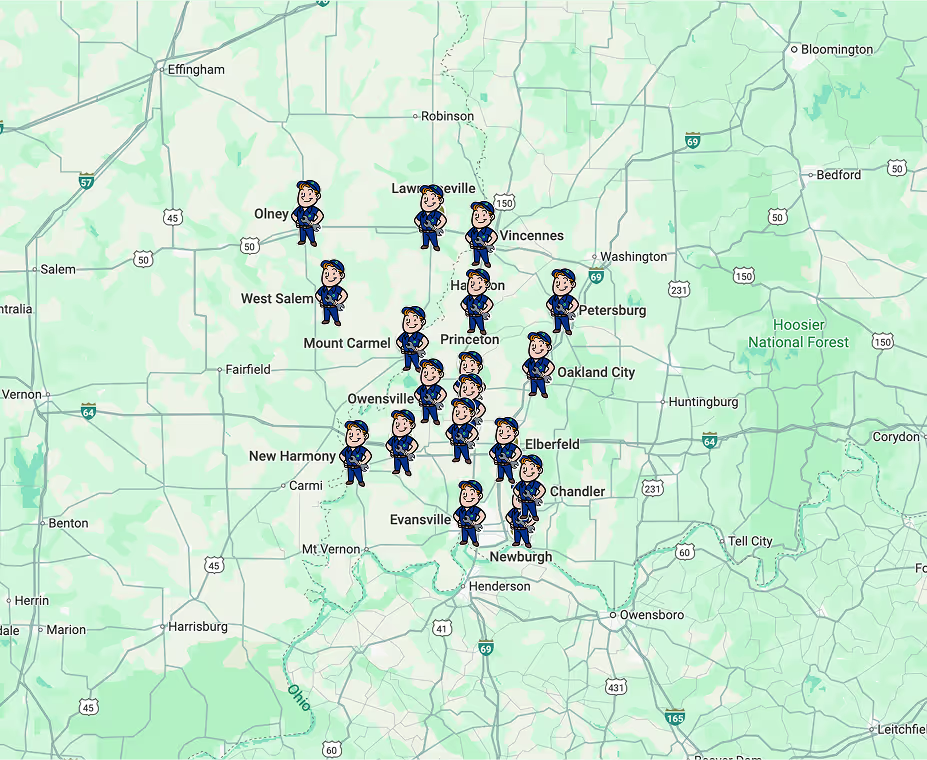
We proudly serve clients throughout our surrounding communities, delivering reliable service wherever you need us. No matter the location, our team is committed to the same high-quality results and responsive support.