AC Installation in Owensville, IN
AC installation in Owensville, IN–professional service for precise sizing, efficient systems, and lasting comfort. Financing options available. Learn more.

AC Installation in Owensville, IN
Upgrading or installing a new air conditioning system is one of the most important investments you can make for your Owensville, IN home – not just for comfort, but for indoor air quality and significant energy savings too. Our summers here bring hot, humid days that truly put cooling systems to the test. With a properly sized, energy-efficient installation from Perfect Climate Heating and Air, you’ll immediately notice the difference: reduced humidity, no more short cycling, lower monthly bills, and a much longer lifespan for your equipment. That’s the Perfect Climate Heating and Air promise.
.jpeg)
Why professional AC installation matters in Owensville, IN
- Owensville’s humid summers require systems that manage both temperature and moisture. An oversized or improperly charged unit cools quickly but cannot remove humidity effectively.
- Many homes in the area were built before modern HVAC standards and may need duct repairs, insulation upgrades, or electrical updates to support a new unit.
- Proper installation affects efficiency ratings (SEER), warranty coverage, and long-term performance. Professional load calculations and code-compliant work avoid costly callbacks and comfort problems.
Common AC installation issues in Owensville, IN
- Improper sizing - units sized by square footage rather than Manual J load calculations, causing short cycling or poor dehumidification.
- Old or leaky ductwork - reduced airflow, uneven cooling, and higher energy use.
- Incorrect refrigerant charge - leads to reduced capacity and eventual compressor damage.
- Insufficient electrical service or improper disconnects - safety and code violations.
- Poor placement of condensing units - noise, reduced airflow, or excessive sun exposure reducing efficiency.
- Lack of permit or noncompliant installation - potential inspection failures and warranty/insurance issues.
Types of AC installations and equipment guidance
- Central split systems - common for Owensville single-family homes; combines a condenser outside with an air handler/furnace inside.
- Heat pump systems - provide both cooling and heating and are an efficient option for moderate climates and multi-season use.
- Ductless mini-splits - ideal for additions, garages, or homes without ductwork; offer zone control and high efficiency.
- High-efficiency systems - models with higher SEER ratings improve energy savings and may qualify for rebates or tax incentives.
- Matched systems - selecting matched indoor and outdoor components ensures manufacturer performance and warranty compliance.
The professional AC installation process
- Initial home assessment and load calculations
- Technicians perform a Manual J load calculation to determine the correct system capacity based on home size, insulation levels, window types, orientation, occupancy, and local climate factors.
- Duct evaluation (Manual D) checks sizing, leakage, and airflow distribution. Recommendations for duct sealing or insulation are made if needed.
- Equipment selection and sizing guidance
- Equipment choices are based on load results, desired efficiency (SEER), and budget considerations.
- Sizing focuses on cooling load in tons rather than just square footage to ensure proper humidity control.
- Matching indoor coil, blower, and outdoor unit is emphasized to protect warranties and optimize performance.
- Financing and rebate options
- Many homeowners qualify for manufacturer rebates, local utility incentives, or federal energy tax credits for high-efficiency equipment. Documentation and model requirements vary by program.
- Financing options often include flexible payment plans to spread the investment over time. Eligibility, terms, and application procedures are explained during the planning phase.
- Professional installation steps
- Site preparation: Verify access, evaluate pad or bracket placement for the condenser, and plan refrigerant line routing.
- Electrical: Confirm circuit sizing, install disconnects, and update panels if necessary to meet code requirements.
- Refrigerant and piping: Proper brazing, insulation, leak testing, evacuation, and precise refrigerant charging per manufacturer specifications.
- Ductwork work: Seal, insulate, and modify ducts as needed to meet calculated airflow targets.
- Mounting and securing equipment to minimize vibration, ensure drainage, and protect from debris or flooding.
- Permit and inspection: Pull required local permits and coordinate municipal or county inspections when required.
- Safety, code compliance, and environmental considerations
- Technicians follow local building and electrical codes and hold required licenses and certifications.
- Refrigerant handling is done by certified technicians to meet EPA regulations. Older refrigerants are recovered and disposed of properly.
- Proper condensate management and electrical protections are installed to prevent water damage and fire hazards.
- Warranty registration and documentation
- New equipment typically comes with manufacturer warranties; registration within specified timeframes is often required.
- Installers provide documentation including model and serial numbers, installation checklist, and maintenance recommendations to preserve warranty coverage.
- Post-installation testing and customer orientation
- Systems are tested for airflow, static pressure, refrigerant charge, temperature split, and electrical safety.
- Technicians demonstrate thermostat programming, filter types and replacement schedules, and basic troubleshooting tips.
- A final walkthrough explains maintenance intervals, expected performance, and what to watch for during the first cooling season.
Benefits of doing AC installation right the first time
- Better humidity control and even comfort throughout Owensville homes.
- Lower energy bills and reduced strain on the system during peak summer months.
- Fewer emergency repairs and extended equipment lifespan.
- Valid warranty protection and compliance with local codes.
Maintenance and long-term care tips for Owensville homeowners
- Schedule biannual tune-ups - one in spring for cooling to check refrigerant charge, airflow, and electrical components.
- Replace or clean filters monthly to maintain airflow and indoor air quality.
- Inspect outdoor unit area for debris, vegetation, and ensure at least two feet of clearance.
- Consider a maintenance plan that documents service visits to preserve warranty and improve reliability.
A well-executed AC installation tailored to Owensville’s climate and your home’s specific needs ensures consistent comfort, efficient operation, and long-term value. Accurate load calculations, proper equipment selection, code-compliant installation, and thorough post-install testing are central to achieving predictable performance and reliable humidity control during Indiana summers.
What Our Clients
Say About Us
Our clients consistently praise our dedication and expertise. They appreciate our commitment to meeting their needs and providing sound advice, which has fostered long-lasting relationships.

SERVICE AREAS
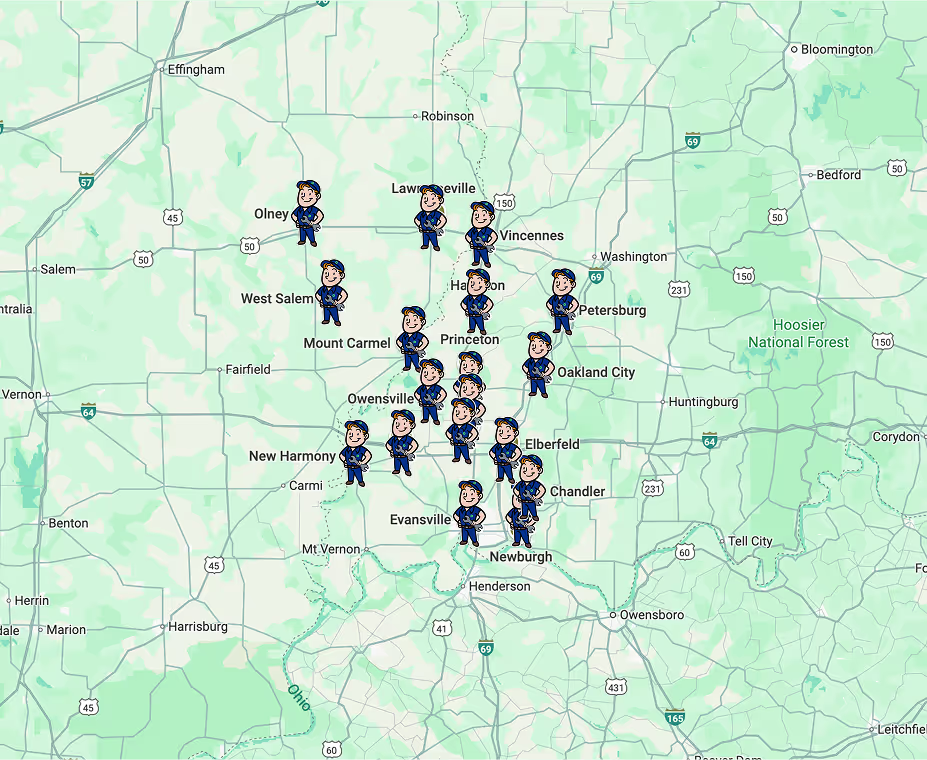
We proudly serve clients throughout our surrounding communities, delivering reliable service wherever you need us. No matter the location, our team is committed to the same high-quality results and responsive support.