Air Duct Cleaning in Evansville, IN
Air duct cleaning in Evansville, IN improves indoor air quality and HVAC efficiency. Learn more about our thorough process.

Air Duct Cleaning in Evansville, IN
For homeowners in Evansville, IN, who are tired of battling seasonal allergies, excessive dust, or inconsistent heating and cooling, professional air duct cleaning is a fantastic solution. We know our humid summers, frequent spring pollen, and the often-older ductwork in many Evansville houses can lead to a buildup of dust, pollen, pet dander, and even mold. Let Perfect Climate Heating and Air help you clear out those contaminants to significantly improve your indoor air quality and boost your HVAC system's efficiency. You'll truly feel the difference!
.jpeg)
Why air duct cleaning matters in Evansville, IN
Evansville’s climate and local environment make duct maintenance especially important. High summer humidity and periodic heavy rains increase the risk of moisture entering duct systems, which can encourage mold growth on interior surfaces. Spring and fall bring heavy pollen loads from trees and ragweed that lodge in ducts and registers. Older homes and some multifamily units in the area often have legacy duct runs with gaps, insulation breakdown, or hard-to-access plenums where dust accumulates. Cleaning air ducts reduces airborne particulates, improves airflow, and supports more consistent HVAC performance throughout seasonal extremes.
Common signs you need air duct cleaning in Evansville
- Visible dust build-up on registers and grills that returns quickly after cleaning
- Noticeable musty or moldy odors when the HVAC system runs, especially after humidity events
- Reduced airflow or uneven heating and cooling from certain rooms or registers
- Increased allergy symptoms, sneezing, or respiratory irritation that correlate with indoor time
- Heavy pet dander or recent home renovations that stirred up construction dust
- Signs of rodent or insect activity inside ducts or near the furnace/air handler
If several of these issues are present in your Evansville home, an inspection can determine whether cleaning will address the problem and improve indoor comfort.
Typical inspection and cleaning process
A professional, industry-standard approach follows a clear inspection-to-clean workflow so you know what to expect:
- Initial inspection and assessment
- Technicians examine accessible registers, the furnace/air handler, and visible duct runs.
- They look for signs of mold, excessive dust, debris, pest evidence, or damaged insulation.
- A written scope or report typically outlines findings and recommended actions before work begins.
- Containment and access preparation
- Registers and vents are carefully removed and labeled for thorough cleaning.
- Sensitive areas are protected, and work areas are contained to minimize dust migration in the home.
- Negative-pressure vacuuming (industry standard)
- A high-efficiency, truck-mounted or portable HEPA-rated vacuum creates negative pressure in the duct system to pull dust and debris out from the interior without spreading it through the living space.
- This method is recognized for removing embedded particulates more completely than simple brushing alone.
- Brush and mechanical agitation where needed
- Rotating brushes, air whips, or agitation tools dislodge settled dust and biofilm so the vacuum can capture it.
- Agitation is applied with care to avoid damaging older duct liners or fragile components.
- Register, coil, and component cleaning
- Supply and return registers, grilles, and accessible HVAC components — including evaporator coils and drain pans when accessible — are cleaned to restore airflow and reduce microbial growth risk.
- Technicians inspect and clean the furnace/air handler area to remove accumulated dust that can affect performance.
- Final inspection, filter upgrade recommendation, and documentation
- After cleaning, the system is re-inspected to confirm airflow improvement and cleanliness.
- A post-service report documents work completed, photos of before-and-after conditions, and recommendations for filters, sealing, or ongoing maintenance.
Health and energy-efficiency benefits
- Improved indoor air quality: Removing trapped pollen, pet dander, dust, and biological growth reduces irritants that aggravate allergies and asthma.
- Reduced odors: Eliminating trapped contaminants and mold growth minimizes musty smells when the system runs.
- Better HVAC performance: Cleaner ducts and coils restore airflow, helping the system distribute conditioned air more evenly and reducing strain on fans and compressors.
- Potential energy savings: When airflow is restored and system components are clean, the HVAC system operates more efficiently, which can lead to lower energy use over time.
- Extended equipment life: Less accumulated dust on motors and heat exchange surfaces helps reduce premature wear.
What before-and-after results typically show
Before-and-after photos commonly show heavy dust lining return plenums and registers, followed by visibly clean metal surfaces and clear duct openings after cleaning. Performance improvements often measured after service include increased airflow at registers and a noticeable reduction in dust settling on furniture over subsequent weeks. For Evansville households dealing with seasonal pollen or humidity-driven mold, visible reductions in particulate matter and odors are frequently reported.
Maintenance recommendations for Evansville homes
- Replace or upgrade HVAC filters regularly: Use appropriately rated filters (MERV recommendations depend on system compatibility) and change them per manufacturer guidance or more often during pollen season.
- Control indoor humidity: Maintain relative humidity between 30–50 percent to reduce mold risk during hot, humid summers. Dehumidifiers or HVAC adjustments can help.
- Seal and insulate ducts: Sealing leaks in return and supply runs and insulating ducts in unconditioned spaces reduces dust ingress and improves efficiency.
- Schedule periodic inspections: A focused inspection after major seasonal changes, renovations, or pest events helps catch issues early.
- Keep registers clean and clear: Regular dusting and ensuring vents are unobstructed helps maintain airflow and reduces debris re-entry.
Certifications, standards, and typical guarantees
Industry-recognized standards such as those from the National Air Duct Cleaners Association (NADCA) define proper cleaning methods, including negative-pressure vacuuming, equipment care, and technician training. Look for technicians who follow NADCA-recommended practices, use HEPA-rated vacuums, and can provide written documentation of the inspection and cleaning scope. Many professional providers also offer satisfaction or workmanship guarantees that outline what is covered post-service and how they document results (e.g., before-and-after photos and a final report).
What Our Clients
Say About Us
Our clients consistently praise our dedication and expertise. They appreciate our commitment to meeting their needs and providing sound advice, which has fostered long-lasting relationships.

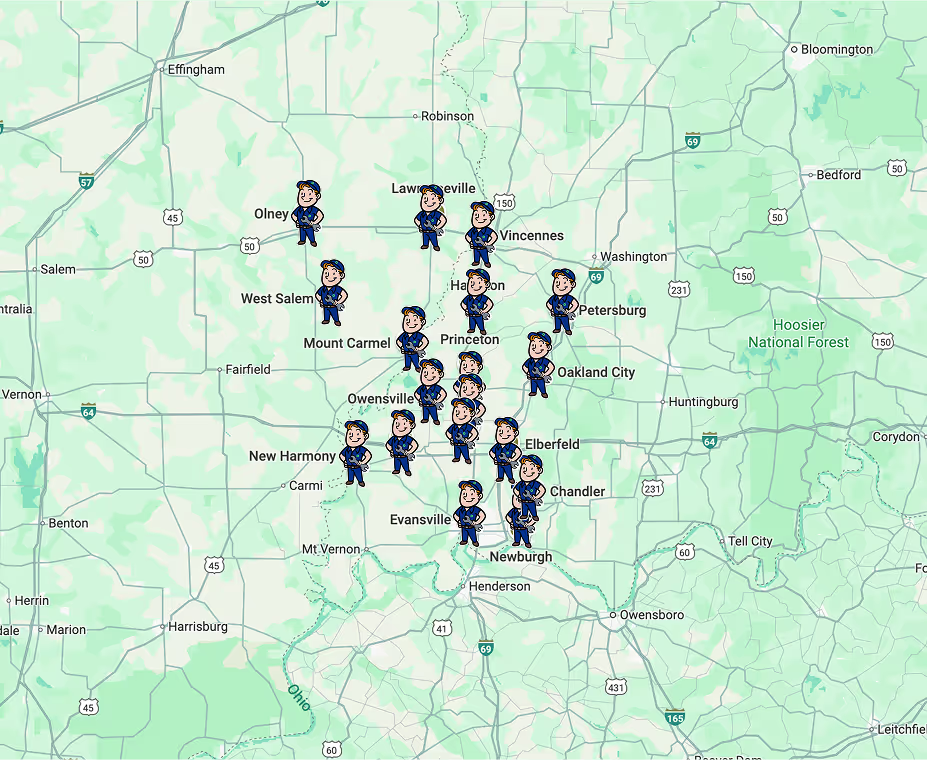
SERVICE AREAS
We proudly serve clients throughout our surrounding communities, delivering reliable service wherever you need us. No matter the location, our team is committed to the same high-quality results and responsive support.