Air Duct Cleaning in Hazleton, IN
Air duct cleaning in Hazleton, IN cleans and seals ducts to improve indoor air quality and system efficiency. Schedule service now.

Air Duct Cleaning in Hazleton, IN
Ever wonder why your home in Hazleton, IN might feel a bit dusty, or why allergies flare up more than they should? Often, the culprit is hidden in your ductwork! Keeping those air ducts clean and properly sealed isn't just about tidiness; it’s one of the best ways to significantly improve your indoor air quality, take some strain off your HVAC system, and truly make your home more comfortable all year long. Given Hazleton's mix of older homes, the abundance of seasonal pollen, and our famously humid summers, dust, allergens, and even mold can easily find their way into your duct system. That’s where Perfect Climate Heating and Air comes in. We offer professional air duct cleaning and sealing services, providing homeowners with reliable, long-term results you can actually feel.
.jpeg)
Why air duct cleaning matters in Hazleton homes
Homes in Hazleton often face a mix of issues that impact duct cleanliness: spring and summer pollen, agricultural dust from nearby fields, and the humidity that encourages mold in poorly insulated or leaky ducts. Older construction common in the area can also mean duct transitions, gaps, and flex-duct deterioration that collect debris and allow contaminants to circulate. Clean, sealed ducts reduce dust, pet dander, and biological growth while helping your HVAC system run more efficiently and deliver more consistent temperatures throughout the house.
Common air duct problems we address
- Clogged supply and return registers with dust and pet hair
- Accumulated insulation fibers and construction debris in baseline systems
- Mold or mildew in sections of duct exposed to humidity or roof/attic leaks
- Loose connections and gaps at boots, plenums, and seams causing leakage and energy loss
- Rodent or insect nesting debris in crawlspace and basement duct runs
- Collapsed or crushed flexible ducts reducing airflow and system capacity
Inspection and assessment: what we document
A thorough service begins with a detailed inspection and assessment to locate problem areas and define the scope of work. Typical diagnostics include:
- Visual inspection of accessible ducts, plenums, and registers
- Camera inspection of main trunks and concealed sections when needed
- Measurements of airflow and static pressure to determine airflow restrictions
- Notes on insulation condition, seam integrity, and potential contamination sources
- Inspection findings are documented with photos and a written assessment so you can see conditions before any work begins.
Cleaning methods used
We use industry-recognized cleaning methods designed to remove dust, debris, and allergens without damaging the ductwork:
- Negative pressure vacuuming with HEPA-filtered units to capture particulates safely
- Mechanical agitation (brushes or air whips) to dislodge accumulated dust from duct walls
- Register and grill cleaning and hand-cleaning of accessible supply and return cavities
- Coil and blower compartment cleaning when necessary to restore overall system cleanliness
- Post-clean sanitization options where biological growth is present, using EPA-registered treatments applied according to best practices
Duct sealing and repair options
Cleaning is often paired with sealing to prevent recontamination and improve efficiency. Typical sealing and repair services include:
- Mastic sealant or HVAC-grade foil tape on visible seams and boot connections
- Aerosol-based sealing for hard-to-reach leaks in main trunks and transitions
- Replacement of damaged flex duct sections and reconnection of disconnected runs
- Rerouting or insulating ducts that run through unconditioned spaces to reduce condensation risk
- Sealed ducts reduce infiltration of dust and moisture from attics and crawlspaces, increasing comfort and lowering system runtime.
Expected improvements to indoor air quality and HVAC performance
After cleaning and sealing, homeowners commonly notice:
- Reduced visible dust on surfaces and fewer dusting cycles
- Fewer allergy symptoms and reduced pet dander circulation for sensitive occupants
- More even heating and cooling with improved airflow to distant rooms
- Reduced strain on HVAC components, which helps maintain efficiency and can extend system life
- Work documentation and performance checks after service demonstrate the improvements and validate the work completed.
Typical process steps and timeframes
- Initial inspection and written assessment, including photos (30–60 minutes)
- Preparation: protecting floors, disconnecting registers, and setting up containment (15–30 minutes)
- Duct cleaning and mechanical agitation with negative pressure capture (2–6 hours depending on home size)
- Coil and blower cleaning if required (additional 30–90 minutes)
- Sealing and repairs to accessible leaks (variable; often 1–3 hours)
- Final inspection, photo documentation, and performance verification (30–60 minutes)
- Smaller homes with straightforward systems may be completed in a half day; larger or multifamily systems can take a full day or more.
Before-and-after documentation
Professional service includes clear documentation of results:
- Photographs of key problem areas taken before and after work
- Summary of actions performed and parts replaced or sealed
- Notes on recommended next steps such as insulation fixes or attic moisture control
- This documentation helps homeowners understand the benefits realized and supports future maintenance planning.
Pricing and scheduling notes
Service duration depends on home size, system complexity, and any repairs required. Appointments are scheduled to allow for the full inspection and cleaning process so the job can be completed properly in a single visit when possible. Transparent estimates are provided based on the inspection findings and documented work scope.
Maintenance and prevention recommendations
- Replace HVAC filters regularly and choose the right MERV rating for your system and indoor sensitivities
- Schedule duct cleaning every 3 to 5 years for typical homes, more often if there are pets, smokers, or occupants with allergies
- Keep attic and crawlspace areas dry and well-ventilated to reduce mold risk in ducts that run through those spaces
- Combine duct cleaning with regular HVAC tune-ups to maintain airflow, refrigerant charge, and overall system efficiency
- Consider supplemental IAQ solutions like upgraded filtration, UV germicidal lights, or whole-house humidification/dehumidification depending on seasonal needs
What Our Clients
Say About Us
Our clients consistently praise our dedication and expertise. They appreciate our commitment to meeting their needs and providing sound advice, which has fostered long-lasting relationships.

SERVICE AREAS
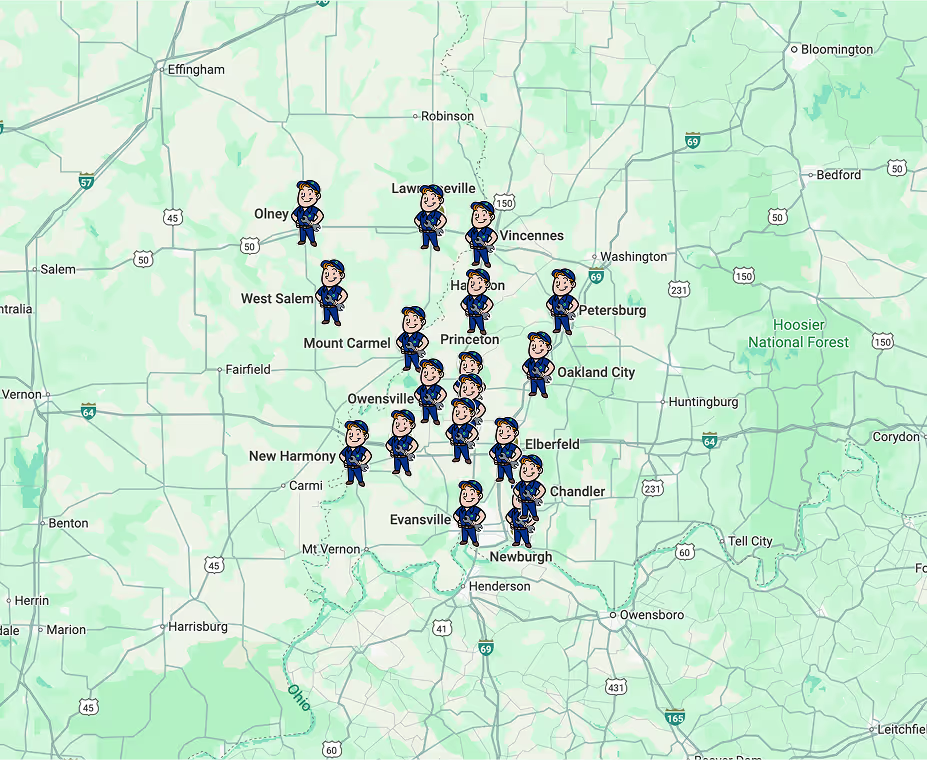
We proudly serve clients throughout our surrounding communities, delivering reliable service wherever you need us. No matter the location, our team is committed to the same high-quality results and responsive support.