Air Duct Cleaning in Oakland City, IN
Air duct cleaning in Oakland City, IN removes dust and allergens to improve airflow. Schedule your service today for a healthier home.

Air Duct Cleaning in Oakland City, IN
For homeowners in Oakland City, achieving a truly comfortable and energy-efficient home starts with clean, well-sealed ductwork. At Perfect Climate Heating and Air, our professional Air Duct Cleaning in Oakland City, IN service diligently removes accumulated dust, allergens, and microbial growth from your HVAC system. When combined with our expert duct sealing, this process restores proper airflow, significantly reduces energy waste, and promotes healthier indoor air. If you're experiencing reduced airflow, surprisingly high utility bills, persistent musty odors, or worsening allergy symptoms, our targeted duct cleaning and sealing service gets to the root cause, providing a lasting solution rather than just masking the symptoms.
.jpeg)
Common air duct cleaning issues in Oakland City homes
Oakland City’s humid summers and variable spring pollen increase the likelihood of duct-related problems. Typical issues we see include:
- Heavy dust and dirt buildup after years of normal use
- Pollen and outdoor allergens tracked inside during spring and summer
- Pet dander and hair in homes with multiple animals
- Mold or mildew growth in ducts following high indoor humidity or past water incidents
- Construction or renovation debris lodged in trunk lines
- Air leaks at joints and connections causing uneven heating or cooling
- Odors from cooking, smoking, or biological contaminants trapped in ducts
Inspection and diagnostic airflow assessment
Effective duct cleaning begins with a detailed inspection. A qualified technician will:
- Visually inspect registers, return grilles, and accessible duct runs
- Measure airflow and static pressure to identify blockages or imbalances
- Use cameras or borescopes for hard-to-reach sections when needed
- Check for visible mold, pest evidence, or disconnected duct sections
- Determine whether duct sealing or repairs are required after cleaning
This diagnostic step establishes the scope of work and ensures cleaning targets the real problems affecting your system’s performance.
The full air duct cleaning process
A professional, thorough cleaning follows a multi-step process to remove debris without damaging ductwork or components:
- Preparation: Covers protect living spaces and the HVAC equipment is isolated to prevent recontamination. Registers are removed to gain access.
- Agitation: Brushes, air whips, and compressed-air tools loosen dust and debris from duct surfaces.
- Negative-pressure vacuuming: A high-powered HEPA-filtered vacuum draws loosened particles out of the system and prevents them from re-entering your home.
- Component cleaning: Supply and return plenums, coil faces, blower compartments, and the air handler are cleaned as needed to improve system health.
- Sanitizing (when indicated): EPA-approved antimicrobial treatments are applied selectively to control microbial growth; these are used only when contamination is confirmed or highly likely.
- Re-inspection: Technicians verify debris removal and airflow improvements, then reinstall registers and document the work performed.
This comprehensive approach removes contaminants while preserving the integrity of your ducts and HVAC components.
Duct sealing to stop leaks and balance airflow
Cleaning is often only half the solution. Leaky ducts can reintroduce attic or crawlspace dust and waste conditioned air. Common sealing methods include:
- Mastic sealant applied to seams and joints
- UL-rated foil HVAC tape for branch connections
- Targeted repairs for disconnected or crushed sections
- Aerosol duct sealing for difficult-to-reach leaks in some systems
Sealing reduces energy loss, improves balance between rooms, and helps your HVAC system reach set temperatures with less runtime.
What contaminants are removed
Professional cleaning targets common and problematic contaminants that settle in ductwork:
- General household dust and debris
- Pollen and outdoor allergens common to southwestern Indiana
- Pet dander and hair
- Mold spores and mildew residues after moisture events
- Cooking odors and smoke residues
- Construction dust, insulation fibers, and rodent droppings when present
Removing these materials improves indoor air quality and reduces allergen circulation.
Benefits for HVAC efficiency and indoor air quality
The combined effect of cleaning and sealing delivers measurable benefits for Oakland City homes:
- Improved airflow and more consistent room temperatures
- Reduced HVAC runtime and potential energy savings
- Extended equipment life due to less strain on motors and coils
- Lower dust accumulation in living spaces and on surfaces
- Reduced allergens and fewer triggers for occupants with asthma or allergies
- Elimination or reduction of persistent odors originating in ductwork
Timely service protects both comfort and the long-term performance of your heating and cooling system.
Recommended maintenance intervals
General guidance for most homes:
- Regular inspection every 1–2 years to check for issues
- Cleaning every 3–5 years for typical households
- More frequent cleaning if you have pets, smokers, recent renovations, or occupants with severe allergies
- Immediate inspection and likely cleaning after mold growth, water intrusion, or pest infestation
Use inspections to tailor an interval that fits your home’s specifics and lifestyle.
Estimates and what affects cost
Instead of a one-size-fits-all price, professional estimates account for multiple factors:
- Home size and the length/complexity of the duct system
- Accessibility of ducts (attic, crawlspace, finished basements, or concealed runs)
- Extent and type of contamination (light dust vs heavy debris, mold remediation)
- Need for additional services such as duct sealing, component cleaning, or coil work
- Number of HVAC systems or zones requiring service
Clear, on-site diagnostic assessments produce accurate written estimates and prevent surprise charges. Estimates will typically outline what areas are included and any recommended repairs.
What to expect on service day
A typical service visit includes:
- A thorough diagnostic inspection and airflow check upon arrival
- Containment to protect floors and furniture near service areas
- Removal of registers and targeted cleaning of supply and return trunks
- Vacuuming and agitation of debris, plus sanitizing when documented as necessary
- Optional sealing or repair work if leaks are found and approved
Service times vary based on system size and condition; many residential jobs are completed in a single day.
What Our Clients
Say About Us
Our clients consistently praise our dedication and expertise. They appreciate our commitment to meeting their needs and providing sound advice, which has fostered long-lasting relationships.

SERVICE AREAS
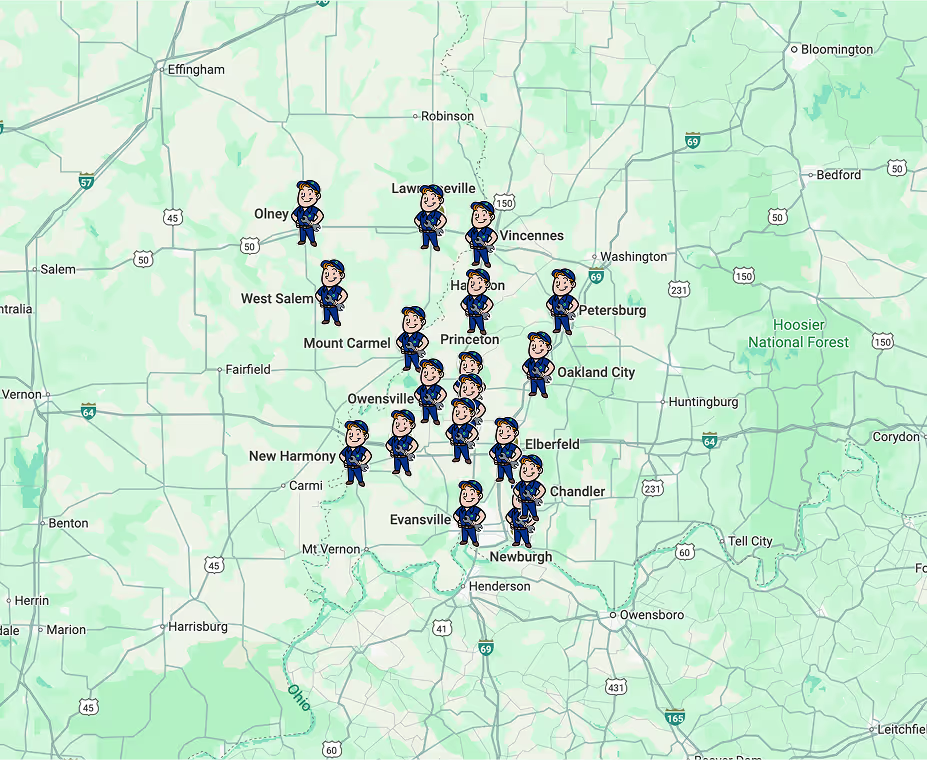
We proudly serve clients throughout our surrounding communities, delivering reliable service wherever you need us. No matter the location, our team is committed to the same high-quality results and responsive support.