Air Duct Cleaning in Princeton, IN
Professional air duct cleaning in Princeton, IN improves indoor air quality and HVAC efficiency. Schedule service today now.

Air Duct Cleaning in Princeton, IN
Want to protect your family's health, improve your HVAC efficiency, and cut down on dust and odors in your Princeton, IN home? At Perfect Climate Heating and Air, we know that keeping your home's air ducts clean and properly sealed is key. With our humid summers, pollen-packed springs, and many charming older homes in the Tri-State area, routine duct cleaning and targeted sealing aren't just good ideas – they're smart investments for healthier air and a more efficient heating and cooling system.
.jpeg)
Why air duct cleaning matters in Princeton, IN
Princeton and surrounding Posey County experience seasonal pollen, agricultural dust, and high humidity. Those conditions increase the likelihood that dust, pollen, pet dander, and even mold spores will accumulate inside ductwork. When ducts are dirty or leaky, contaminants circulate through the house every time the system runs, and the HVAC system has to work harder to maintain comfort. For households with allergies, asthma, chemical sensitivities, or respiratory concerns, clean, well-sealed ducts can noticeably reduce symptoms and improve overall comfort.
Common air duct cleaning issues in Princeton, IN homes
- Excessive dust and debris collected near registers and in main trunk lines
- Uneven airflow or cold/hot spots caused by blockages or collapsed flex duct sections
- Persistent odors from accumulated dust, pet smells, or past mold growth
- Visible mold or microbial growth in damp basements, crawlspaces, or on duct surfaces (needs professional diagnosis)
- Leaky duct connections and gaps in attics and crawlspaces that draw in attic or crawlspace air
- Pest infiltration evidence such as droppings or nesting material inside ducts
Inspection and diagnostic steps
A professional cleaning begins with a careful inspection and diagnostics tailored to your home:
- Visual inspection of accessible ductwork, registers, and the air handler.
- Assessment of HVAC filters, blower compartment, coil condition, and drainage to identify contributing issues.
- Airflow measurements and static pressure checks when needed to document system performance.
- Identification of leaks, damaged ducts, or areas prone to contamination (attic, crawlspace, return plenums).
- Documentation with notes and photos to show problem areas and confirm improvements after service.
These diagnostics ensure cleaning targets the real problems and that sealing or repairs are applied where they will have the most impact.
Cleaning methods used
Effective duct cleaning combines agitation and source-capture vacuuming with safety protocols:
- Register and grille removal to access the system and inspect interior surfaces.
- Mechanical agitation using rotary brushes, air whips, or compressed-air tools to dislodge settled dust and biological debris.
- HEPA-filtered negative pressure vacuuming to remove loosened material directly to a contained vacuum, preventing dust from re-entering the home.
- Air washing or controlled compressed-air pulsing when appropriate for trunk lines.
- Cleaning of associated components including the blower compartment, evaporator coil (for AC systems), and condensate drain where buildup commonly occurs.
- Containment and dust control measures such as drop cloths and negative pressure in the work area to protect living spaces.
Technicians take precautions to avoid pushing debris further into the system and to protect delicate components.
Duct sealing options and when to use them
Cleaning is often most effective when paired with sealing. Common sealing methods include:
- Aerosol duct sealing (for systems with moderate leakage) that seals gaps from the inside using a dispersed sealant.
- Mastic sealant applied to seams, boots, and connections for durable, visible repairs.
- Foil-backed HVAC tape used for smaller joints where mastic is impractical.
- Replacement or repair of damaged flex or metal ducts when sections are crushed, disconnected, or contaminated.
Sealing improves system efficiency, reduces infiltration of attic or crawlspace air, and prevents future contamination. For many Princeton homes that draw in dusty attic air or have older unsealed duct runs, sealing delivers immediate comfort and energy benefits.
What to expect after cleaning and sealing
After professional cleaning and any sealing work you can expect:
- Cleaner supply registers and noticeably less household dust settling on surfaces.
- Improved airflow and more consistent temperature distribution across rooms.
- Reduced odors and lower levels of airborne allergens and particulate matter.
- A cleaner HVAC blower and coil, which helps the system run more efficiently and can extend equipment life.
- Less stress on filters and longer intervals between filter changes when proper filters are used.
Results vary based on the initial condition of the system and the presence of ongoing contamination sources (pets, smokers, renovation dust).
Typical scope of a full-service job
A full-service air duct cleaning and sealing job generally includes:
- Complete inspection and diagnostics with pre-service documentation.
- Removal and cleaning of registers and grilles.
- Agitation and HEPA vacuuming of supply and return ducts.
- Cleaning of blower compartment and accessible coil surfaces.
- Recommended sealing or repairs with visible documentation of work performed.
- Post-service airflow or pressure verification and before-and-after photos.
- A summary of findings and recommendations for maintenance or follow-up.
This scope delivers measurable improvements in air quality and system performance compared to partial or register-only cleaning.
Before-and-after examples (typical outcomes)
- Before: A home with heavy attic dust entering returns, weak airflow, and a musty odor. After: Dust removed, returns resealed, improved airflow, and noticeable reduction in lofted dust and odor.
- Before: A household with pets experiencing frequent allergy flare-ups and dusty surfaces. After: Pet hair and dander removed from ducts, improved filter performance, and reduced allergen circulation.
- Before: An older home with disconnected flex runs in the crawlspace causing energy loss. After: Duct sections repaired and sealed, resulting in more even temperatures and less short cycling.
Maintenance tips for Princeton homeowners
- Use high-quality HVAC filters rated MERV 8-13 as appropriate for your system and occupant sensitivities; change them on the recommended schedule.
- Run the fan periodically to reduce dust settling in ducts and to help circulate air through filters.
- Control humidity with a dehumidifier or by proper AC sizing to limit mold growth in summer months.
- Seal obvious gaps at registers and in attics or crawlspaces to reduce dust infiltration.
- Schedule professional inspections every 2-5 years depending on occupancy, pets, renovations, and local dust/pollen exposure.
Regular maintenance combined with targeted duct cleaning and sealing produces the best long-term indoor air quality and HVAC performance.
What Our Clients
Say About Us
Our clients consistently praise our dedication and expertise. They appreciate our commitment to meeting their needs and providing sound advice, which has fostered long-lasting relationships.

SERVICE AREAS
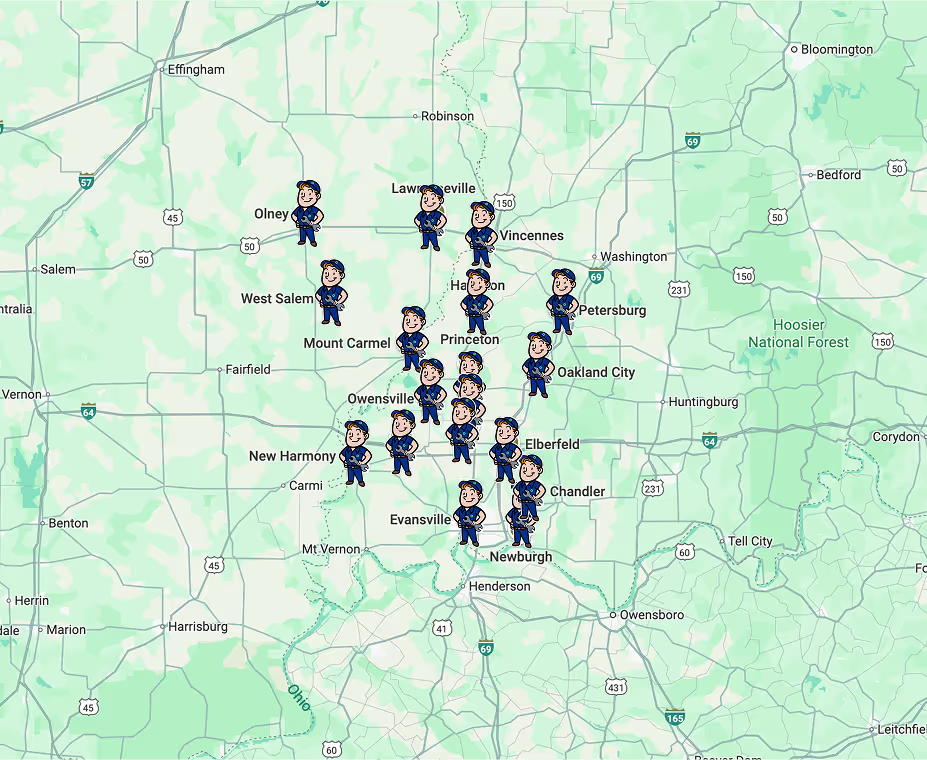
We proudly serve clients throughout our surrounding communities, delivering reliable service wherever you need us. No matter the location, our team is committed to the same high-quality results and responsive support.