Whole House Filtration in Petersburg, IN
Whole house filtration in Petersburg, IN improves indoor air quality. Learn about in-duct and whole-home options, installation steps & schedule your assessment

Whole House Filtration in Petersburg, IN
For homes in Petersburg, IN, achieving cleaner indoor air really makes a difference. With our humid summers, the yearly pollen explosion, agricultural dust, and even occasional wood smoke, indoor air quality can take a hit. That's where a whole-home filtration system comes in. Not only does it significantly reduce allergens and protect your valuable HVAC equipment, but it also creates a noticeably healthier living environment for everyone, especially those with allergies, asthma, pets, or chemical sensitivities. Let Perfect Climate Heating and Air help you find the ideal system for your home.
.jpeg)
Why whole house filtration matters in Petersburg, IN
- Seasonal pollen loads and springtime plant growth send fine allergens into houses across Pike County.
- Rural and semi-rural properties often experience higher levels of dust, farm-related particulates, and occasional agricultural burning or wood-burning smoke.
- Humid summers increase mold spore counts inside poorly ventilated homes, while winter heating cycles can recirculate dry, particulate-laden air.
A correctly selected and installed whole house filtration system treats all conditioned air passing through your HVAC system, giving consistent, whole-home capacity to capture particulates and improve breathing comfort.
Types of whole house filtration systems
- In-duct media filters: Installed at the furnace or air handler, these use thick pleated media (1–4 inch or more) to trap particles. They balance efficiency and airflow and are a common, cost-effective whole-home option.
- Whole-home HEPA systems: True HEPA rated filtration for whole-home use requires specially designed housings or supplemental bypass units so the HVAC blower can handle added resistance. These capture 99.97% of particles 0.3 microns and are ideal for severe allergy or immunocompromised situations.
- Electronic air cleaners (electrostatic): Use charged plates to collect particles. They are reusable, can capture fine particles, and typically have low long-term filter costs but require routine cleaning.
- Portable clean-air units vs whole-home systems: Portable units are effective in single rooms but cannot clean all air in a home; whole-home systems treat every room through the existing duct network.
Filter performance and what those numbers mean
- MERV ratings (Minimum Efficiency Reporting Value): MERV 6–8 = basic dust and lint control; MERV 9–12 = better pollen, mold spores, and pet dander capture; MERV 13–16 = hospital-grade particulate reduction suitable for many allergy sufferers. Most homes benefit from MERV 8–13 depending on occupant sensitivity and HVAC compatibility.
- HEPA: Exceeds MERV 16 performance for particulate capture and is the reference for very high filtration needs.
- Electronic and UV options: Electronic cleaners capture fine particles without the same pressure drop as dense media; UV lamps target biological contaminants on coils and in the ductwork but do not remove particulates.
Common whole house filtration issues in Petersburg homes
- Heavy pollen seasons and farm dust causing accelerated filter loading and visible dust on surfaces.
- Older furnaces or air handlers not sized for high MERV filters, leading to reduced airflow and comfort issues.
- Dirty or leaky ducts that reduce filtration effectiveness and reintroduce contaminants.
- Incorrect filter installation or bypass gaps that let unfiltered air recirculate.
Installation and diagnostic process
- Home assessment: A technician inspects the furnace/air handler, measures static pressure, evaluates duct condition, and reviews occupancy and health concerns. This determines which filter type and MERV rating will deliver benefits without harming system performance.
- Sizing and compatibility: Professionals check blower capacity and duct layout. High-efficiency filters or HEPA housings may require blower adjustments or dedicated bypass fans to maintain airflow.
- Placement: In-duct filters are installed at the return grille or furnace filter slot; whole-home HEPA or electronic units are placed in the return plenum or as an inline housing near the air handler.
- Integration checks: If adding humidification, dehumidification, or ERV/HRV systems, the technician plans placements so filtration works in concert with moisture and ventilation control.
Maintenance: what to expect and recommended schedule
- Pleated media filters: Replace 1–6 months depending on MERV rating, household pets, and seasonal pollen. Higher MERVs often require more frequent change.
- 4-inch and thicker media: Longer service intervals (up to 6–12 months) but still require periodic checks.
- Electronic cleaners: Clean collection cells every 3–6 months and inspect for damage annually.
- HEPA housings: Inspect seals and pre-filters regularly; true HEPA elements typically last 1–3 years depending on load.
- Duct cleaning and sealing: Every few years or when inspection shows built-up debris—clean ducts increase filtration efficiency and reduce airborne recirculation.
How filtration integrates with other IAQ services
- Combined with whole-home humidification or dehumidification it reduces mold growth and improves filter performance by controlling moisture.
- Duct cleaning and sealing removes settled dust so filters work more efficiently and reduce recontamination.
- Ventilation upgrades, like energy recovery ventilators, bring fresh air that is pre-filtered to avoid introducing external particulates.
- Zoning and HVAC balancing ensure the filtered air reaches bedrooms and living spaces where occupants spend the most time.
Typical outcomes and energy considerations
- Health and comfort: Expect measurable reductions in airborne dust, pollen, pet dander, and visible settling; many customers report fewer allergy symptoms and less need for surface dusting.
- System longevity: Cleaner air reduces coil and blower contamination, improving efficiency and reducing repair risk.
- Energy impact: Higher-efficiency filters increase resistance to airflow. That can raise fan energy use or reduce delivery if the system isn’t compatible.
- Professional sizing and, when necessary, upgrades to the blower or use of dedicated clean-air housings mitigate performance losses while preserving energy efficiency.
Financing and assessment options (what to look for)
- Many providers offer financing plans, monthly payment options, or promotional rates to spread cost over time. Typical choices include low-interest loans, fixed monthly plans, or deferred payment promotions.
- For an accurate recommendation, seek a complete in-home or virtual assessment where a technician measures system capacity and indoor air concerns, then provides a written comparison of filter options, maintenance expectations, and estimated energy implications.
Whole house filtration in Petersburg, IN is a practical, long-term investment in comfort and health—especially where seasonal pollen, rural dust, or indoor sensitivities are factors. Choosing the right system means balancing filtration efficiency, HVAC compatibility, and maintenance needs so you get cleaner air without compromising performance.
What Our Clients
Say About Us
Our clients consistently praise our dedication and expertise. They appreciate our commitment to meeting their needs and providing sound advice, which has fostered long-lasting relationships.

SERVICE AREAS
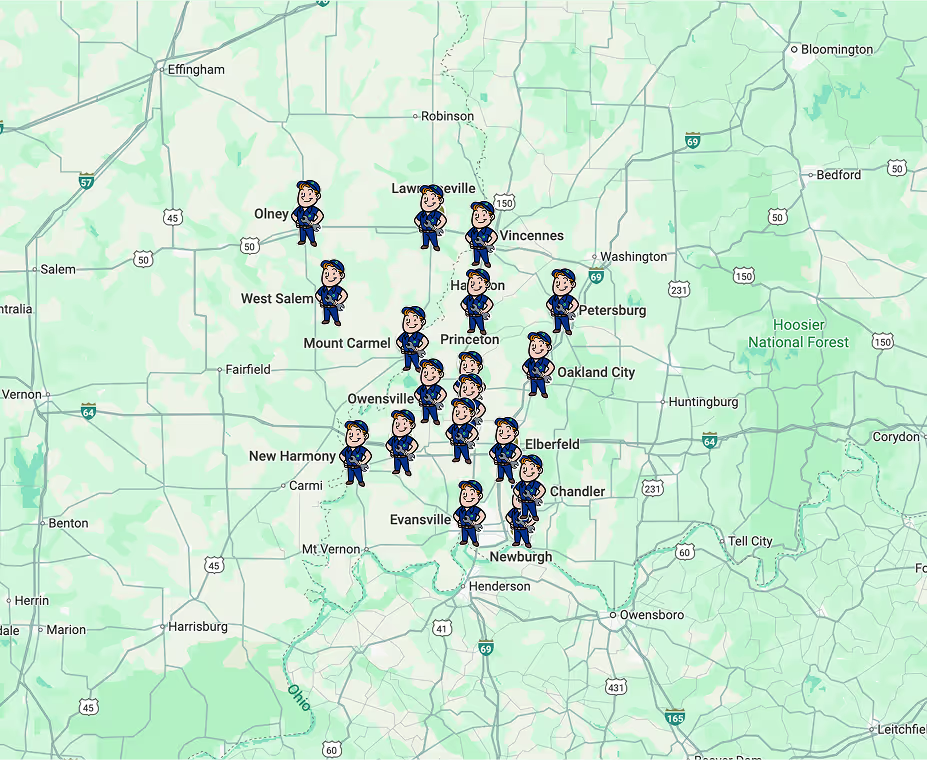
We proudly serve clients throughout our surrounding communities, delivering reliable service wherever you need us. No matter the location, our team is committed to the same high-quality results and responsive support.