
Mini Split Repair in New Harmony, IN
Reliable mini split repair in New Harmony, IN. Learn common failures, repair timelines, warranties, and choosing repair vs replacement.

Mini Split Repair in New Harmony, IN
Mini split systems are a fantastic, efficient option for keeping New Harmony homes comfortable, particularly for older or historic properties where installing traditional ductwork just isn't practical. When a mini split unit stops working, that immediate loss of zoned climate control can be incredibly disruptive. At Perfect Climate Heating and Air, we want to make things clear: we'll help you understand the common mini split problems we encounter in New Harmony, how our experienced technicians diagnose and repair them, what realistic timelines and parts considerations might be, and even practical preventative steps tailored for our local climate.
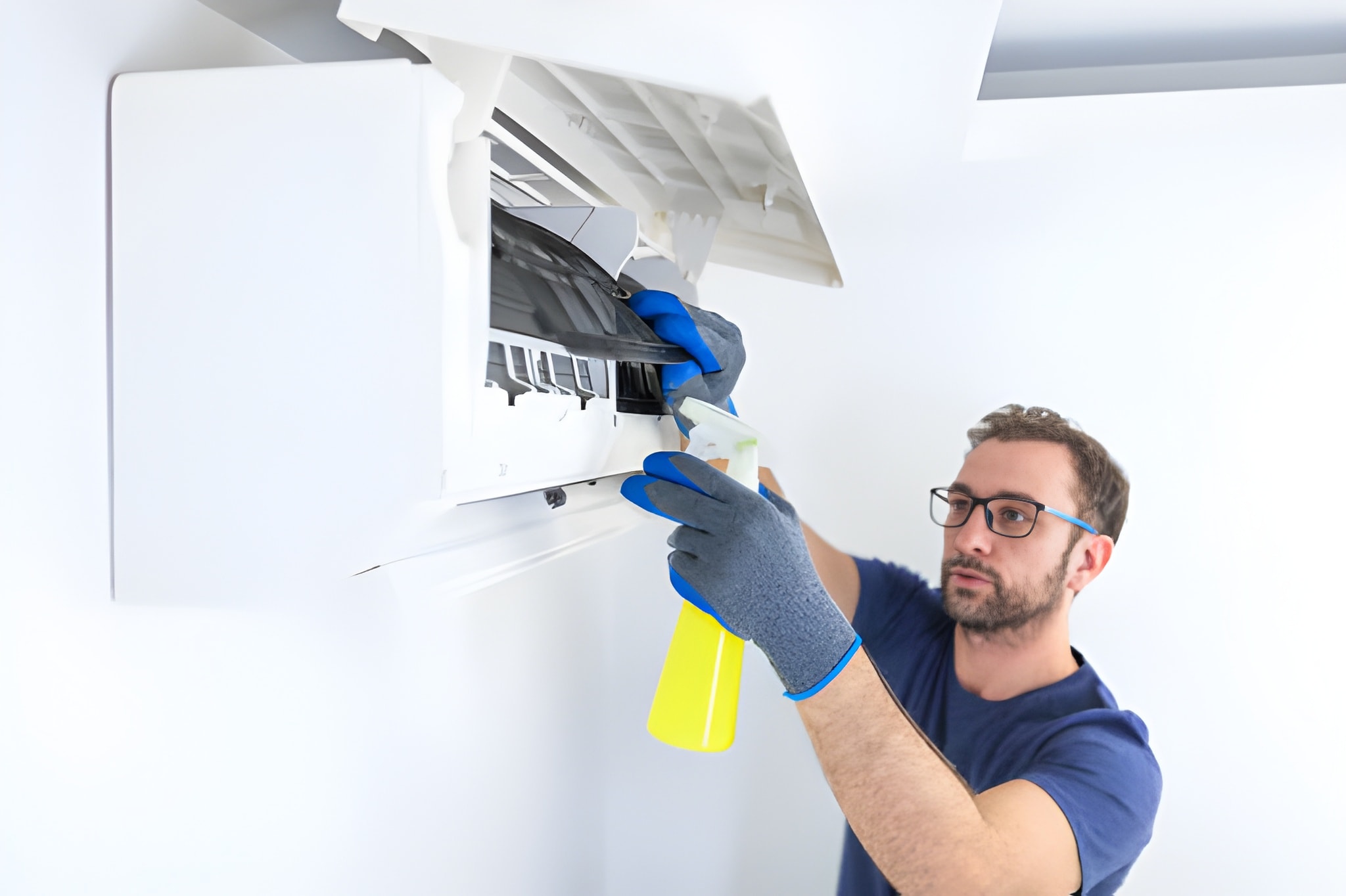
Common Mini Split Failures in New Harmony, IN
- Compressor failure: The heart of the outdoor unit can seize or suffer internal damage. Symptoms include loud noises, loss of cooling/heating, or the system tripping breakers.
- Inverter or PCB faults: Modern mini splits use inverter-driven compressors and control boards that can fail due to power surges or component age, causing error codes, intermittent operation, or inability to start.
- Refrigerant leaks: Corrosion, vibration at fittings, or line-set damage leads to low refrigerant charge, loss of cooling capacity, ice on the evaporator, and higher energy use.
- Electrical issues: Faulty capacitors, contactors, wiring, or poor connections can cause flickering operation, tripped breakers, or complete shutdown.
- Control and sensor failures: Remote control, thermostat sensors, or communication links fail, producing incorrect temperatures, mode errors, or no response.
- Airflow and condensate problems: Dirty air filters, blocked indoor blower fans, or clogged condensate drains lead to reduced performance, indoor humidity issues, and water leaks.
New Harmony’s humid summers and cold snaps can accelerate some of these issues—moisture-driven corrosion, plugged drain lines from biological growth, and stress on electrical components during frequent cycling.
Diagnostic and Troubleshooting Procedures
Technicians follow a systematic approach to isolate faults efficiently:
- Initial visual inspection: Look for obvious damage, oil stains (sign of refrigerant leaks), rodent chewing on wires, and physical obstructions around the outdoor unit.
- Read error codes: Many mini splits display diagnostic codes on indoor units or via the remote; decoding these narrows down likely causes.
- Electrical testing: Check voltage, amperage draw, capacitor condition, and continuity on motors, compressors, and control boards.
- Refrigerant and pressure checks: Use gauges and leak detectors to confirm charge level and locate leaks; measure superheat/subcooling to determine performance.
- Airflow and coil inspection: Verify blower motor operation, clean or inspect indoor coils, and check for ice formation or blocked vents.
- Operational testing: Run the system through heat and cool cycles, listen for unusual noises, and monitor for stability of operation and cycling frequency.
Technicians document findings and provide an options-based repair plan that explains safety, reliability, and anticipated outcomes.
Typical Repair Solutions and Timelines
- Refrigerant leak repair and recharge: Locate and repair small leaks (welding or replacing a fitting), evacuate, repair, and recharge. Typical timeline: 2–6 hours for straightforward leaks; larger leaks may require line-set replacement and more time.
- Compressor replacement: Replacing a compressor/inverter assembly is a major repair often requiring 4–8 hours and may need additional parts like start devices or driers. Lead time can vary depending on model availability.
- Inverter board or PCB replacement: Replacing control boards or inverter modules often takes 1–3 hours if parts are in stock.
- Fan motor, capacitors, or reversing valve: Generally repairable within 1–3 hours; capacitors and fan motors are commonly stocked items.
- Line-set and indoor unit repairs: Replacing line-sets, indoor blowers, or drain components can take several hours to a day based on accessibility and routing.
Parts availability is the main variable. Many common mini split components (filters, capacitors, fans, PCBs) are readily available; proprietary compressor or inverter modules may require ordering. Expect shorter timelines when technicians carry commonly needed parts and longer waits when specialty items must ship.
Parts, Service Guarantees, and Warranties
- Parts: Manufacturers typically offer parts through authorized distributors; OEM parts ensure compatibility but can have longer lead times. Aftermarket parts may be available for older models.
- Service guarantees: Reputable repair services provide workmanship guarantees that cover the specific repair for a stated period (for example, 30–180 days). Always confirm the scope and duration before service begins.
- Manufacturer warranties: Many mini split manufacturers offer limited warranties on compressors and major components (terms vary widely). Repairs under manufacturer warranty may require certified technicians and documented maintenance history.
Repair vs Replacement: How to Decide
Consider these factors when evaluating repair versus replacement:
- Age of the system: mini splits older than 10–12 years often justify replacement because efficiency and refrigerant compatibility fall behind modern units.
- Cost of repair vs value: If a single repair is more than 40–50% of a new unit’s cost, replacement frequently makes more economic sense.
- Frequency of breakdowns: Repeated failures suggest systemic deterioration; replacement reduces future downtime and repair costs.
- Efficiency and refrigerant type: New systems offer higher SEER/HSPF ratings and may use newer, more efficient refrigerants. Older units using phased-down refrigerants may have limited service options.
- Home comfort needs: If you need better zoning, quieter operation, or improved humidity control, upgrading can deliver immediate comfort and energy savings.
24/7 Emergency Repair Availability and Safety Steps
Emergencies commonly include complete loss of heat in winter, a refrigerant leak with strong odors, burning electrical smells, or major water leakage. Emergency response capability is important in New Harmony’s climate, where winter heating failures or extreme summer humidity can create unsafe conditions. While awaiting professional help:
- Turn the unit off at the thermostat and isolate power at the breaker to reduce further damage or electrical hazard.
- Ventilate areas if you suspect refrigerant or burning smells.
- Contain water leaks with containers and protect floors and electronics.
Preventive Maintenance and Local Tips for New Harmony Homes
Regular maintenance extends system life and prevents costly mid-season failures—especially important in New Harmony where humidity and seasonal debris are factors.
- Clean or replace filters monthly during heavy-use months and at least quarterly otherwise.
- Clear at least 2–3 feet around outdoor units from leaves, grass clippings, and debris; in river-adjacent areas, monitor for silt, pollen, and corrosion.
- Inspect and flush condensate drains annually to prevent clogs and indoor water damage caused by biological growth in humid summers.
- Check electrical connections and surge protection before high-demand seasons; consider a dedicated surge protector to protect sensitive inverter electronics.
- Schedule seasonal tune-ups for both cooling and heating modes to verify refrigerant charge, airflow, and component health.
- Winterize exposed lines and ensure proper insulation to reduce risk of freezing during cold snaps.
Prompt, informed repairs protect comfort, indoor air quality, and energy bills. Addressing mini split issues early—especially in the humid summers and variable winters of New Harmony—keeps systems efficient and dependable for years of zoned comfort.
What Our Clients
Say About Us
Our clients consistently praise our dedication and expertise. They appreciate our commitment to meeting their needs and providing sound advice, which has fostered long-lasting relationships.

SERVICE AREAS
We proudly serve clients throughout our surrounding communities, delivering reliable service wherever you need us. No matter the location, our team is committed to the same high-quality results and responsive support.