AC Installation in West Salem, IL
AC Installation in West Salem, IL by trusted pros for comfort, efficiency, and humidity control. Learn more today.

AC Installation in West Salem, IL
When it comes to home improvements, installing a new air conditioning system is truly one of the smartest upgrades you can make for comfort, significant energy savings, and better indoor air quality. For our friends in West Salem, IL, those hot, humid summers really test cooling systems. That's why a properly planned AC installation from Perfect Climate Heating and Air is so important. We ensure you get reliable comfort all season long, enjoy lower utility bills, and benefit from a much longer lifespan for your equipment.
.jpeg)
Why professional AC installation matters in West Salem, IL
West Salem experiences warm, humid summers that increase both cooling needs and moisture-related comfort problems. An improperly sized or poorly installed system will struggle to remove humidity, cycle too frequently, and drive up energy costs. Professional installation tailored to your home ensures the system can meet summer peak loads, maintain consistent indoor temperatures, and control humidity for healthier, more comfortable living spaces.
Common AC installation issues in West Salem, IL
- Undersized or oversized units: An undersized system won’t cool effectively; an oversized unit will short-cycle and fail to dehumidify properly.
- Inadequate ductwork or airflow: Leaky or poorly designed ducts reduce efficiency and comfort.
- Improper refrigerant charge: Undercharge or overcharge reduces cooling performance and increases wear.
- Poor equipment placement: Condenser placement that traps heat or reduces airflow impairs performance.
- Lack of local code compliance or permit delays: Missing permits or noncompliant installations can cause trouble during resale or inspections.
- Neglected humidity control: Homes in West Salem often need systems sized and configured to handle humidity, not just temperature.
Types of installations and energy-efficient options
- Traditional central air systems: Matched condenser and evaporator coils, widely used in homes with ducted systems.
- Heat pump systems: Provide both cooling and heating, increasingly efficient in moderate climates and a good option for whole-home installations.
- Ductless mini-splits: Ideal for additions, retrofits, or homes without ductwork; allow zone control and high efficiency.
- High-efficiency models: Look for higher SEER ratings and variable-speed compressors for better dehumidification and lower energy bills. In West Salem, models with variable-speed fans and compressors help manage the humidity load more effectively.
The AC installation process — step by step
- Site assessment
- Inspect the home layout, existing ductwork, attic and crawlspace access, insulation levels, and sun exposure.
- Identify any duct repairs, insulation upgrades, or electrical improvements needed for optimal performance.
- Load calculations and unit sizing
- Perform Manual J load calculations to determine cooling capacity based on square footage, orientation, window areas, insulation, and occupancy.
- Use Manual D to size ducts when changes are required. Correct sizing is essential for both comfort and efficiency.
- Model selection and recommendations
- Recommend energy-efficient options matching your cooling load: single-stage, two-stage, or variable-speed compressors.
- Consider matched system components (condenser, coil, and thermostat) to preserve manufacturer warranties and performance.
- Factor in humidity control features and filtration options to address local moisture and air quality concerns.
- Permits and code compliance
- Obtain required local permits and ensure installation follows Illinois state codes and local West Salem regulations.
- Confirm electrical, refrigerant handling, and mechanical work meets safety and environmental standards.
- Installation steps
- Recover refrigerant from the old system per regulations and safely remove the old equipment.
- Prepare the pad and location for the new condenser, ensuring proper airflow and clearance.
- Install or modify ductwork and insulation where needed for balanced airflow.
- Mount indoor coil/air handler, connect refrigerant lines, electrical wiring, and condensate drainage.
- Charge the system with the proper refrigerant amount and tune controls and thermostats.
- Post-installation testing
- Measure airflow, static pressure, electrical loads, and temperature split to confirm correct operation.
- Test refrigerant pressures and superheat/subcooling to verify proper charge.
- Confirm thermostat calibration, airflow to each conditioned space, and condensate drainage.
- Run full startup checks and provide a documented final inspection report.
Warranty, documentation, and long-term reliability
- Manufacturer warranties: Most new systems come with parts warranties and limited compressor warranties; these vary by brand and model. Choosing matched components often preserves full warranty coverage.
- Labor warranties: Professional installations typically include a workmanship warranty for a set period. Confirm what is covered and how warranty claims are handled.
- Documentation: Keep load calculations, permits, final inspection reports, and warranty papers. Proper documentation protects you during resale and is required to maintain some warranty conditions.
Financing and incentives
Many homeowners in West Salem finance new systems through local financing options or manufacturer financing programs. In addition, energy-efficiency rebates or tax incentives may be available for high-SEER equipment or heat pumps. Ask about financing that aligns with your budget and any local or state programs that reward energy-efficient upgrades.
Post-installation care and maintenance tips
- Schedule biannual tune-ups: spring for cooling and fall for heating checks to maintain efficiency and protect warranties.
- Replace or clean filters regularly; higher efficiency filters can improve air quality while increasing static pressure, so confirm compatibility with your system.
- Inspect and seal ductwork to reduce losses and balance airflow.
- Maintain proper outdoor unit clearance and keep the condenser free of debris and vegetation.
- Consider a smart or programmable thermostat to optimize comfort and reduce runtime during off-peak hours.
Final considerations for West Salem homeowners
A properly sized and professionally installed AC system delivers reliable cooling, better humidity control, lower energy bills, and improved indoor air quality—benefits that are particularly important in West Salem’s humid summer months. Prioritizing accurate load calculations, matched components, local code compliance, and thorough post-installation testing will ensure your investment performs well year after year.
What Our Clients
Say About Us
Our clients consistently praise our dedication and expertise. They appreciate our commitment to meeting their needs and providing sound advice, which has fostered long-lasting relationships.

SERVICE AREAS
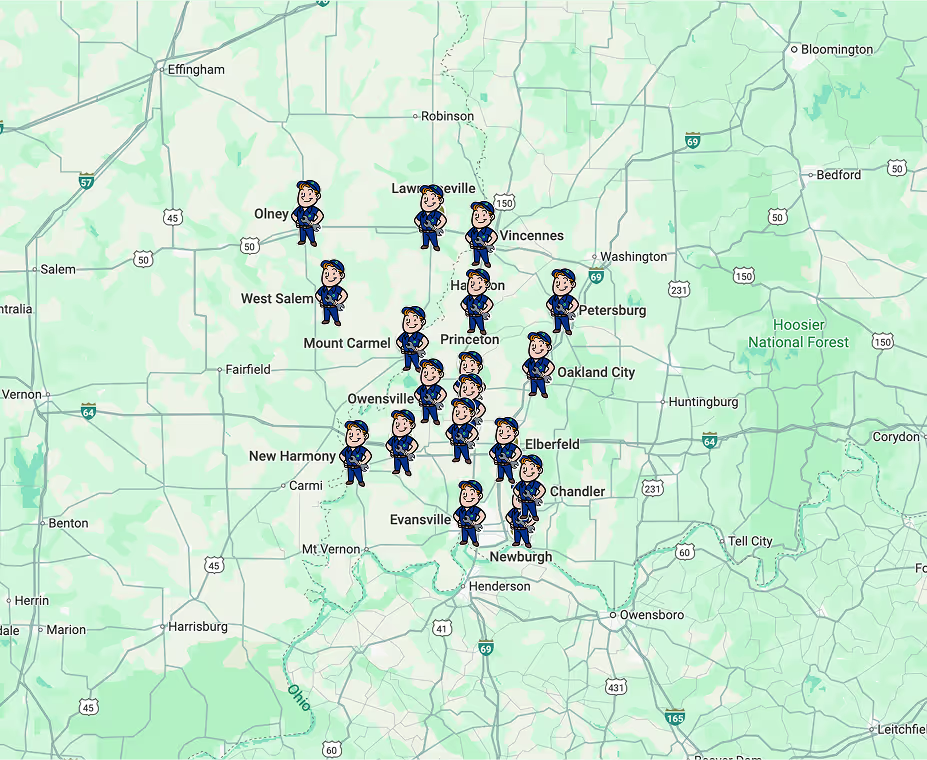
We proudly serve clients throughout our surrounding communities, delivering reliable service wherever you need us. No matter the location, our team is committed to the same high-quality results and responsive support.