Furnace Replacement in Hazleton, IN
Furnace replacement installation in Hazleton, IN: expert assessment, efficient sizing, and reliable install for winter comfort. Learn more.

Furnace Replacement in Hazleton, IN
For homeowners and small business owners in Hazleton, IN, replacing a furnace is undoubtedly one of the most important investments you’ll make for your property. Given the cold winters and often dramatic temperature swings common here in southwestern Indiana, an inefficient or failing furnace isn't just an inconvenience—it can send your energy bills soaring and create real headaches with inconsistent comfort and unreliable performance. Let Perfect Climate Heating and Air help you find a reliable and efficient heating solution that brings warmth and peace of mind back to your space.
.jpeg)
Why furnace replacement matters in Hazleton, IN
- Hazleton experiences extended heating seasons and freezing temperatures that put strain on older equipment.
- Older furnaces lose efficiency over time and can develop safety or reliability issues after 10 to 15 years.
- Replacing an underperforming unit can reduce energy bills, improve indoor comfort, and lower emergency repair risk during cold snaps.
Common furnace problems that lead to replacement
- Frequent breakdowns or rising repair frequency and cost.
- Rapidly increasing fuel bills despite routine maintenance.
- Uneven heating, short cycling, or inconsistent airflow.
- Rust, corrosion, or cracked heat exchangers that affect safety and efficiency.
- Age: furnaces older than 12 to 15 years often cost more to maintain than to replace.
How we assess your existing system
A professional furnace replacement assessment typically includes:
- Visual inspection of the furnace, flue, vents, and combustion components.
- Review of service history, repair records, and current operating costs.
- Evaluation of ductwork condition and airflow losses.
- Measurement of home heat load using Manual J or equivalent calculations to determine correct sizing.
- Fuel availability check for natural gas, propane, or electric options and analysis of fuel cost trends in the Hazleton area.
This assessment identifies whether a repair is sufficient or if replacement is the more cost-effective, long-term solution.
Repair vs replacement: what to consider
- Repair may be reasonable for relatively new units with a single, isolated issue.
- Consider replacement when repairs are frequent, parts are obsolete, or efficiency is low.
- If a repair cost approaches 50 percent of a reasonable replacement estimate, replacement often makes financial sense.
- Replacement improves reliability, reduces energy costs, and allows you to select modern efficiency features such as variable-speed blowers and higher AFUE ratings.
Proper sizing and energy-efficient model recommendations
Correct sizing is crucial: an oversized furnace will short cycle and waste energy; an undersized unit won’t keep up on the coldest Hazleton nights. Manual J load calculations ensure the right capacity.
Energy-efficient features to consider:
- High AFUE ratings (greater than 95 percent for gas furnaces for best fuel-to-heat conversion).
- Variable-speed blower motors for improved comfort and lower electricity use.
- Two-stage or modulating burners for more consistent indoor temperatures.
- Compatibility with programmable thermostats and zoning for multi-story homes or commercial spaces.
- Fuel choice should reflect local availability and cost. Natural gas is common and economical where accessible; propane and electric heat may be appropriate for rural properties without gas service.
Step-by-step installation process
- Pre-installation planning: finalize model selection, sizing, and materials; schedule delivery and permitting.
- Site prep: clear the installation area, verify venting and gas/electrical connections.
- Old equipment removal: disconnect utilities, remove old furnace and ancillary components.
- Installation: set new furnace, connect gas, electrical, ductwork, and venting per code.
- Startup and calibration: ignite the system, verify combustion, test airflow, and tune controls.
- Safety checks and documentation: test carbon monoxide levels, confirm proper venting, and provide system documentation and warranty paperwork.
- Final walkthrough: review operation, thermostat settings, and maintenance requirements.
Removal and disposal of old equipment
Old furnace disposal follows local regulations. The process includes safe disconnect of gas and electrical lines, draining or capping fuel connections, and recycling metal components where possible. Hazardous components, such as certain refrigerants or oil residues, are handled in accordance with state and local environmental guidelines.
Financing, rebates, and incentives in Indiana
- Many homeowners in Hazleton may qualify for financing plans to spread replacement costs over time.
- Incentives can include local utility rebates, manufacturer promotions, and federal tax credits for high-efficiency equipment.
- Eligibility varies by program and system efficiency level; documentation of installation and model numbers is often required for rebate applications.
Warranty and maintenance plans to protect your investment
- Manufacturer warranties typically cover major components for a set number of years; extended warranties may be available.
- Labor warranties from the installing contractor can cover workmanship for a defined period.
- Regular maintenance plans protect warranties and prolong system life.
- A typical plan includes annual tune-ups, filter replacement checks, and priority scheduling for service. Consistent maintenance reduces breakdown risk during Hazleton’s cold months.
Expected timeline and cost factors
- Typical replacement timeline: 1 to 2 days for straightforward residential installs; larger or complex projects for commercial properties may take longer.
- Cost variables include furnace efficiency rating, system size, required duct modifications, venting updates, and any needed electrical or gas upgrades.
- Budgeting should factor in potential duct sealing or insulation improvements, which can enhance efficiency and comfort.
Choosing the right furnace for your home or business
- For small to medium Hazleton homes, a properly sized high-efficiency gas furnace with a variable-speed blower is often the best balance of comfort and operating cost.
- For rural properties without gas service, consider propane or high-efficiency electric systems while evaluating long-term fuel cost trends.
- Commercial properties need assessment for zoning, runtime, and larger capacity requirements; rooftop or packaged units may be appropriate.
- Consider future needs: planned additions, improved insulation, or HVAC zoning should influence sizing decisions.
What Our Clients
Say About Us
Our clients consistently praise our dedication and expertise. They appreciate our commitment to meeting their needs and providing sound advice, which has fostered long-lasting relationships.

SERVICE AREAS
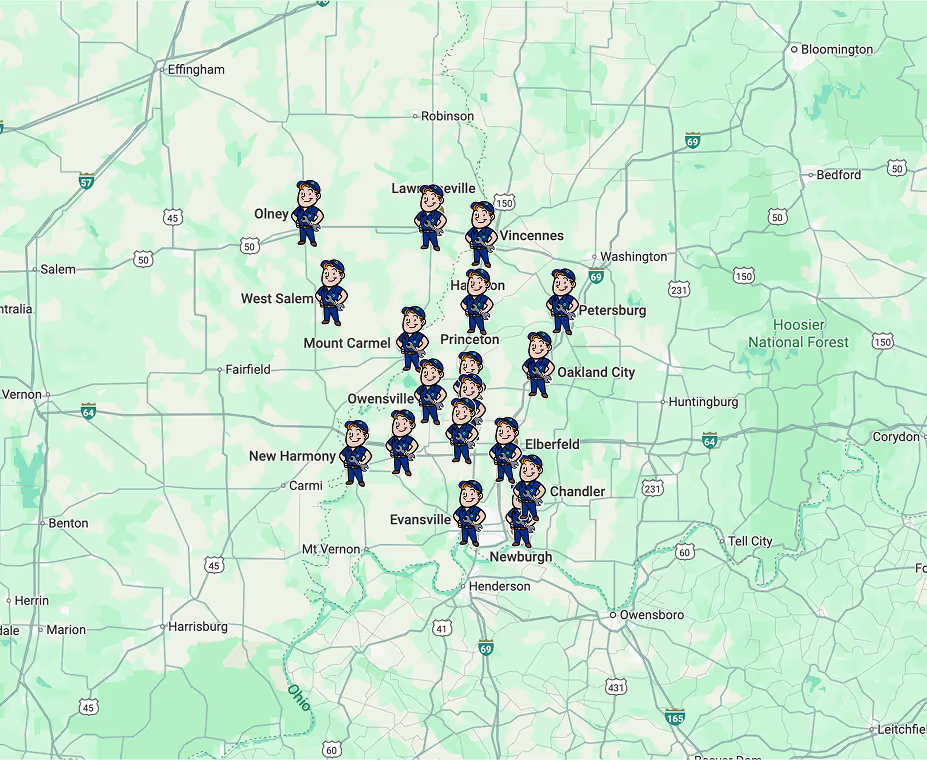
We proudly serve clients throughout our surrounding communities, delivering reliable service wherever you need us. No matter the location, our team is committed to the same high-quality results and responsive support.