Heating Repair in New Harmony, IN
Heating repair services in New Harmony, IN. Diagnose and fix furnace and heat pump issues with expert guidance and swift emergency response

Heating Repair in New Harmony, IN
When your home’s heating gives up in New Harmony, IN, it's more than just a hassle. Those cold nights, drafty historic homes, and older ductwork can quickly turn a small problem into a big headache. At Perfect Climate Heating and Air, we know how stressful this can be. That's why we're here to walk you through common heating repair issues, explain how our skilled technicians pinpoint problems, what goes into typical furnace and heat pump repairs, what to expect for parts and labor, our emergency response guidelines, how quickly we can get things fixed, and simple maintenance tips to keep future breakdowns at bay.
.jpeg)
Why timely heating repair matters in New Harmony
New Harmony’s winters can bring prolonged chilly periods and occasional temperature swings that put extra stress on heating systems. Older homes in the town often have original ductwork, loftier ceilings, or unique floorplans that make balanced heating more difficult. Addressing heating problems quickly preserves comfort, prevents secondary damage (like frozen pipes), improves safety, and helps systems run more efficiently through the cold months.
Common heating repair symptoms that warrant service
If you notice any of these, schedule a professional diagnostic right away:
- No heat or weak heat - thermostat calls for heat but warm air is absent or very low.
- Strange noises - banging, rattling, squealing, or loud popping from the furnace or ductwork.
- Frequent cycling - unit turns on and off too often, indicating short cycling.
- High utility bills - sudden spike without lifestyle changes.
- Uneven heating - some rooms are hot while others remain cold.
- Yellow or flickering pilot light (for natural draft furnaces) - possible combustion issue.
- Ice buildup or poor performance on heat pumps - reduced heating capacity in cold weather.
- Gas odors or carbon monoxide alarm activation - immediate safety concern.
Diagnostic procedures technicians use
A methodical diagnosis separates simple fixes from urgent safety issues. Typical diagnostic steps:
- Visual inspection of the unit, vents, and accessible ductwork for obvious damage, leaks, or blockages.
- Thermostat check to confirm proper signal and settings.
- Safety checks including combustion, flue, and carbon monoxide verification for gas systems.
- Electrical tests on capacitors, contactors, control boards, and transformers.
- Mechanical assessment of blower motors, belts, bearings, and inducer assemblies.
- Combustion system evaluation for ignition systems, flame sensors, gas valves, pilot assemblies.
- Heat pump-specific checks: refrigerant pressure, reversing valve, defrost cycle, compressor function.
- Airflow and duct inspection including filter condition and return/ supply balance.
Technicians will explain findings in plain language, identify immediate safety concerns, and outline repair options with estimated timelines.
Typical repairs for furnaces and heat pumps
Furnace repairs commonly performed:
- Filter replacement and airflow cleanup to restore proper circulation.
- Ignitor or pilot assembly replacement for failed ignition.
- Flame sensor cleaning or replacement to stop intermittent shutdowns.
- Control board or thermostat replacement when electronics fail.
- Blower motor or capacitor replacement for weak airflow or motor failure.
- Inducer or draft motor repair to restore proper venting.
- Heat exchanger inspection - if cracked, replacement is the safe option due to combustion and carbon monoxide risk.
Heat pump repairs commonly performed:
- Refrigerant leak detection and repair followed by proper recharge.
- Compressor repairs or replacement for major failures.
- Reversing valve and defrost cycle repairs to restore winter performance.
- Outdoor fan motor or contactor replacement.
- Thermostat and control diagnostics to correct sequencing issues.
Parts, labor expectations, and warranty considerations
Technicians typically carry common replacement parts for same-day repairs: filters, capacitors, contactors, ignitors, thermostats, and belts. More specialized parts like compressors, control boards, or heat exchangers may require ordering and a return visit. Labor time depends on the repair:
- Minor repairs and part swaps: often completed in a few hours.
- Component rebuilds or multi-part replacements: may take half a day to a full day.
- Major system replacements: usually scheduled and completed within one to two business days, depending on parts availability.
Expect technicians to explain warranty coverage for replacement parts and labor where applicable and to document work performed. Safety replacements, such as a cracked heat exchanger, are prioritized over repair cost considerations.
Emergency heating repair response and safety steps
Heating emergencies can involve no heat during sub-freezing weather, gas odors, or carbon monoxide alarms. Emergency response typically includes:
- Prioritizing safety: shut off gas and power if you smell gas or if carbon monoxide alarms are active.
- Ventilating the area safely and avoiding open flames.
- Turning down the thermostat and isolating the affected area if possible.
While waiting for a technician, avoid attempting complex repairs yourself. Simple interim steps include changing a clogged filter, ensuring vents are open, and checking that the thermostat has fresh batteries. Professionals trained in gas and electrical systems handle the rest.
Typical timelines and factors that affect repair duration
Most common repairs are completed the same day. Factors that extend timelines:
- Need to order manufacturer-specific parts.
- Complexity of duct modifications or retrofits in older homes.
- Refrigerant recovery and leak repair protocols for heat pumps.
- Permits or inspections required for major gas or combustion work.
Technicians will provide an estimated timeline after diagnosis and explain any factors that could delay completion.
Preventive maintenance to reduce future breakdowns
Routine maintenance is the most effective way to avoid emergency repairs. Key maintenance tips for New Harmony homes:
- Schedule annual or biannual tune-ups: pre-season heating inspections catch wear before failure.
- Change filters regularly: every 1-3 months depending on system and household conditions.
- Clear outdoor equipment of leaves, debris, and snow to ensure proper airflow for heat pumps and outdoor furnaces.
- Inspect and seal ducts to improve airflow and reduce strain on the system, especially in older homes.
- Test carbon monoxide detectors and replace batteries annually.
- Optimize thermostat settings and consider a programmable or smart thermostat to reduce cycling.
Proper maintenance improves efficiency, extends equipment life, maintains warranties, and reduces the risk of midwinter failures.
What Our Clients
Say About Us
Our clients consistently praise our dedication and expertise. They appreciate our commitment to meeting their needs and providing sound advice, which has fostered long-lasting relationships.

SERVICE AREAS
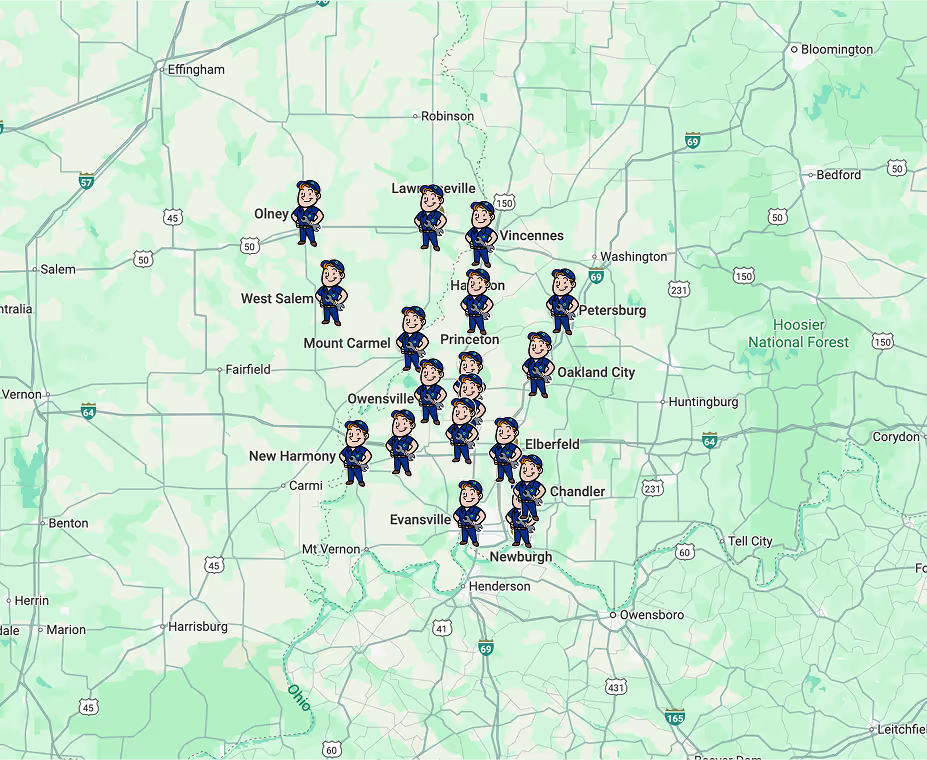
We proudly serve clients throughout our surrounding communities, delivering reliable service wherever you need us. No matter the location, our team is committed to the same high-quality results and responsive support.