Heating Tune-up in New Harmony, IN
Professional heating tune-up services in New Harmony, IN to prevent breakdowns, improve efficiency, and ensure safe, comfortable winter heating. Schedule now.

Heating Tune-up in New Harmony, IN
When it comes to your home's comfort in New Harmony, IN, a professional heating tune-up is truly the best proactive step you can take. It’s all about dodging those dreaded midwinter breakdowns, safeguarding your warranty, and keeping those heating costs from spiraling out of control. Here in New Harmony, with our charming older historic homes, brisk and unpredictable winters, and that classic river-valley humidity, a preseason heating inspection from Perfect Climate Heating and Air is just what you need to guarantee reliable, safe warmth for everyone under your roof.
Why a heating tune-up matters in New Harmony homes
New Harmony’s winters can bring prolonged cold snaps and temperature swings that stress heating equipment. Many homes in the area are older or have mixed systems (gas furnace, boiler, or heat pump), making preventive care essential. A tune-up:
- Reduces the risk of untimely breakdowns during cold weather
- Helps maintain manufacturer warranty requirements through documented service
- Restores system efficiency to lower energy bills
- Improves indoor comfort and air quality by ensuring proper airflow and filtration
- Identifies safety concerns such as carbon monoxide leaks or cracked heat exchangers
Standard preseason tune-up checklist
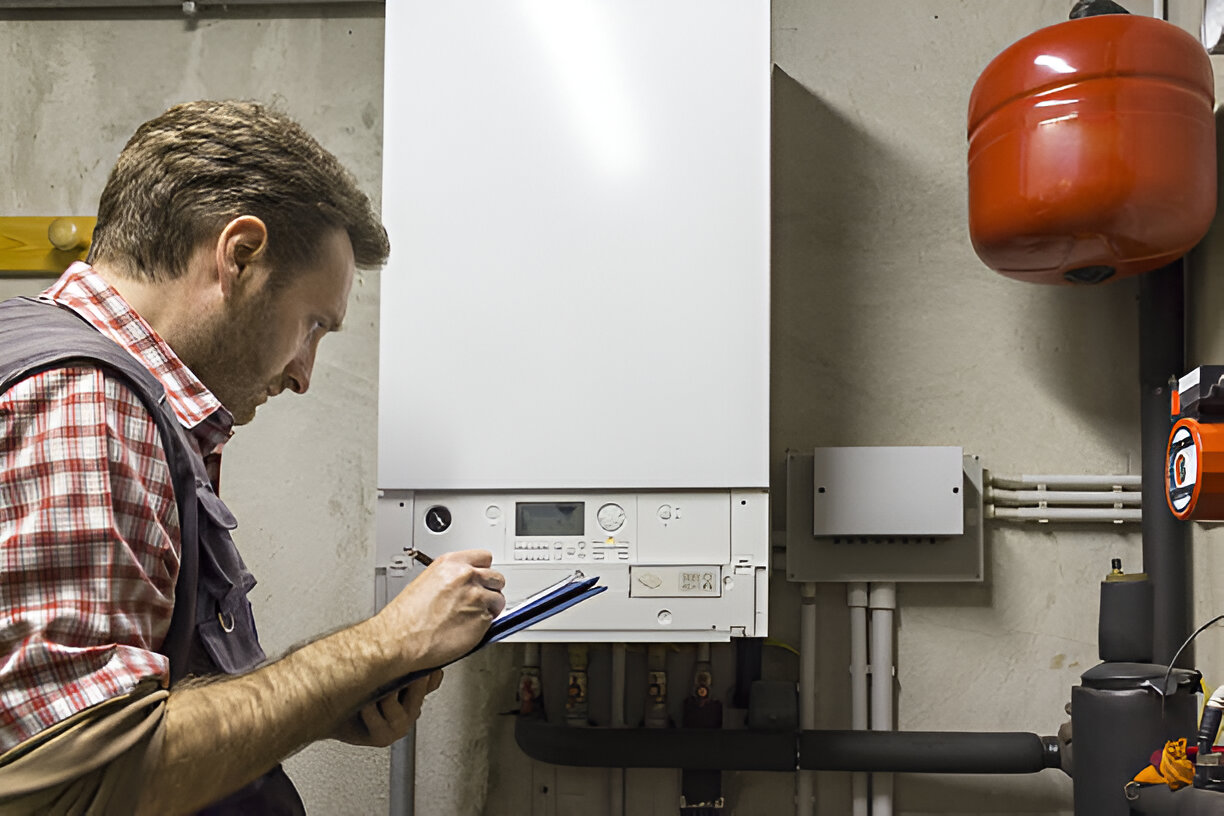
A complete heating tune-up follows an established checklist to address safety, efficiency, and performance. Typical items include:
- Safety inspection: Check for gas leaks, soot, unusual odors, proper venting, and carbon monoxide detector status. Inspect flue and exhaust for blockages or corrosion.
- Burner and heat exchanger check: Clean burners, inspect ignition and flame quality, and visually assess the heat exchanger for cracks or corrosion that could cause unsafe operation.
- Filter inspection and replacement: Verify filter type and condition; replace or document replacement (many maintenance plans include at least one filter per system).
- Thermostat calibration: Verify thermostat accuracy and settings; recalibrate or recommend upgrades if needed for better control and efficiency.
- Combustion analysis (on fuel-fired systems): Measure combustion efficiency and exhaust gases to confirm safe, efficient burner operation.
- Electrical and mechanical inspection: Tighten electrical connections, inspect capacitors and relays, test safety and limit switches, and check blower motor operation.
- Airflow and duct check: Measure airflow, inspect ducts and returns for major obstructions, and verify registers are balanced for even heating.
- Lubrication and moving parts: Lubricate motors and bearings where applicable and inspect belts for wear and proper tension.
- System startup and operational test: Run the system through a full cycle to confirm reliable starting, cycling, and heating output.
- Written report and recommendations: Provide a documented checklist, any safety findings, and recommended repairs or efficiency upgrades.
Common heating tune-up issues in New Harmony, IN
Local homes commonly present certain issues that a tune-up will detect and address:
- Clogged filters and reduced airflow from seasonal pollen, pet dander, and dust
- Dirty burners and inefficient combustion in gas furnaces
- Thermostats that under- or over-read due to placement or age
- Duct leaks and poor insulation in older homes causing hot/cold spots
- Corroded flue components or soot buildup in rarely serviced systems
- Refrigerant or electrical issues on heat pumps after humid Indiana summers
Diagnostic process and expected outcomes
A professional tune-up is both inspection and preventive maintenance. Expect a technician to:
- Ask about recent symptoms (uneven heat, noise, higher bills)
- Inspect and test critical safety components first
- Perform measurements (combustion, airflow, temperature split) to evaluate performance
- Clean or replace consumables (filters, small components) as needed
- Provide a clear written summary with any recommended repairs and an assessment of remaining equipment life
After a proper tune-up you should notice steadier temperatures, quieter operation, and more efficient system cycles. The technician’s report is also useful documentation for warranty compliance.
Recommended frequency
- Furnaces and boilers: Annual heating tune-up before the first heavy use of the season (late summer to early fall scheduling is common).
- Heat pumps: Twice-yearly (once in fall for heating, once in spring for cooling) or at least one full assessment before winter in mixed-climate years.
- Older systems or problem units: Consider semiannual inspections if you have an aging system, frequent cycling, or a history of midseason failures.
Documented annual service is often a condition for maintaining manufacturer warranties, so keep records and service tags visible on the equipment.
Maintenance plans and what’s included
Many homeowners choose a preventive maintenance plan to simplify upkeep and gain added benefits. Typical plan inclusions:
- Annual or biannual tune-ups as scheduled
- One filter per system per visit or per year (depending on the plan); additional filters at a discounted rate
- Priority scheduling and reduced dispatch fees for maintenance members
- Discounts on repairs and loyalty credits toward future system replacement programs
- A maintenance plan saves time, creates a consistent service record, and often reduces long-term repair costs.
Pricing considerations (what to expect)
Pricing for a standalone heating tune-up varies based on system type (furnace, boiler, heat pump), accessibility, and whether diagnostic testing like combustion analysis is required. Many homeowners find that bundling tune-ups into a maintenance plan provides the best value because of included filters, priority service, and repair discounts. Service reports after the visit will outline any additional repair needs and associated options.
Preparing for the technician and what follows
To get the most from your appointment:
- Clear access to the furnace, boiler, or heat pump and the surrounding area
- Have model and serial numbers available if possible
- Note recent symptoms and times when issues occurred
Typical appointment length is 45 to 90 minutes depending on system complexity. After service you should receive a written checklist of work completed, any safety notes, and recommended next steps. Keep that document in your service records for warranty support and future maintenance planning.
Long-term benefits of routine tune-ups
Regular tune-ups extend equipment life, maintain comfort levels, lower energy costs, reduce emergency repair risk during cold snaps, and preserve warranty coverage. For New Harmony residents, addressing local factors like older ductwork, seasonal humidity, and winter freeze cycles through preventive maintenance translates to fewer interruptions and more predictable heating performance.
A professional, documented heating tune-up before the heating season is the practical choice for homeowners who value safety, efficiency, and reliable comfort.
What Our Clients
Say About Us
Our clients consistently praise our dedication and expertise. They appreciate our commitment to meeting their needs and providing sound advice, which has fostered long-lasting relationships.

SERVICE AREAS
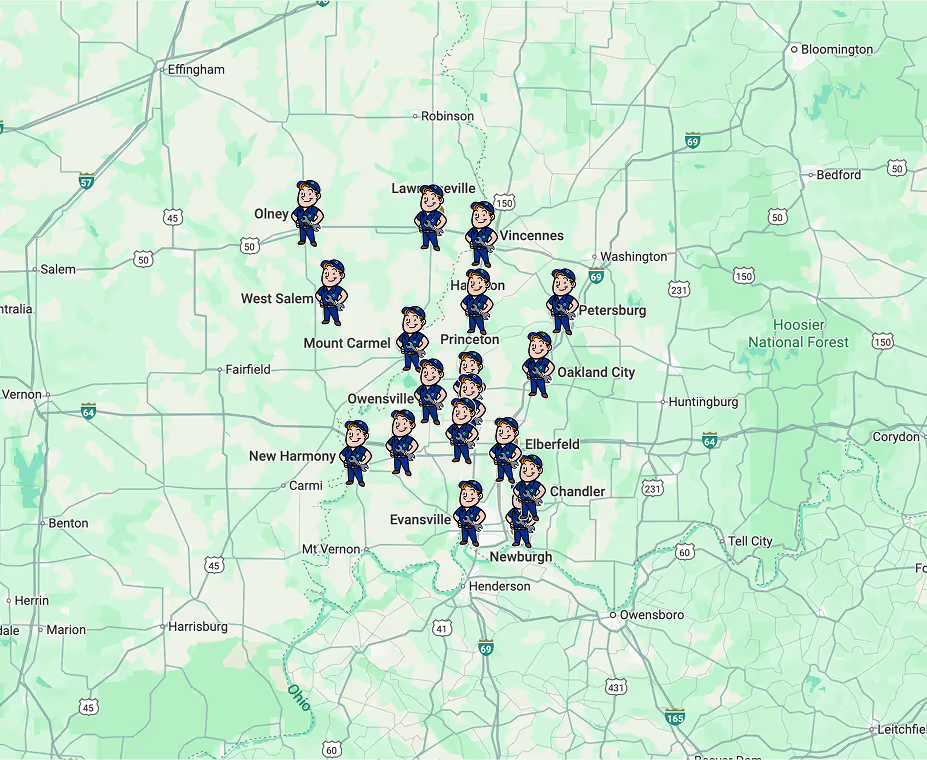
We proudly serve clients throughout our surrounding communities, delivering reliable service wherever you need us. No matter the location, our team is committed to the same high-quality results and responsive support.