Heating Tune-up in Mount Carmel, IL
Heating Tune-Up Mount Carmel, IL: efficient, reliable warmth with preventive maintenance. Schedule your tune-up today to protect warranties & reduce breakdowns

Heating Tune-up in Mount Carmel, IL
Honestly, a heating tune-up in Mount Carmel, IL is hands down the smartest, most cost-effective thing you can do to keep your furnace or heat pump chugging along reliably all winter. Between those unique river-valley temperature swings, damp winters, and a lot of our beautiful older homes, heating equipment here in Mount Carmel really takes a beating. That's where Perfect Climate Heating and Air comes in! Our professional seasonal tune-up catches worn-out components, seriously boosts your system's efficiency, and helps protect your manufacturer warranties. The goal? To make sure your home gets safe, consistent heat exactly when you need it most.
.jpeg)
Why a seasonal heating tune-up matters in Mount Carmel, IL
- Winters in the Tri-State area can bring prolonged cold snaps and rapid temperature changes that force heating systems to run longer and cycle more frequently.
- Higher outdoor humidity and occasional flooding or condensation in basements and crawlspaces can accelerate corrosion and clog vents.
- Many homes in the region have older furnaces or heat pumps that benefit most from preventive attention to avoid midwinter failures.
- A tune-up reduces the risk of breakdowns during peak demand, lowers energy use, and preserves indoor comfort for families in Mount Carmel.
Common heating issues in Mount Carmel homes
- Reduced heat output due to dirty air filters or blocked return vents.
- Short cycling caused by thermostat drift, clogged burners, or airflow restrictions.
- Hard starts and ignition problems after long off-seasons.
- Corroded venting, loose flue connections, or obstructed exhaust pathways from wildlife or debris.
- Wear on motors, belts, and bearings that causes noise, higher energy consumption, and eventual failure.
- Recognizing these problems early through a tune-up avoids emergency repairs and the discomfort of an unexpected outage.
Standard heating tune-up checklist (what the technician inspects and services)
A complete tune-up follows a documented checklist to ensure consistent, reliable results. Typical items included are:
- Filter inspection and replacement: Check filter type and condition; replace or recommend appropriate MERV-rated filter for the home.
- Combustion and venting checks: Visual inspection of flue, draft, and vent connectors; check for soot, corrosion, or blockages that can cause dangerous exhaust backflow.
- Thermostat calibration: Verify thermostat accuracy and setpoint response; test programmable settings and recommend adjustments for efficiency and comfort.
- Safety controls inspection: Test limit switches, flame sensors, pressure switches, and carbon monoxide safeguards to confirm safe operation.
- Ignition and burner evaluation: Clean burners, inspect pilot/ignition components, and ensure proper flame quality and fuel delivery.
- Lubrication of moving parts: Lubricate motors, bearings, and linkages where applicable to reduce friction and extend component life.
- Electrical and connections check: Inspect wiring, tighten terminals, and verify proper voltage to motors and controls.
- System performance testing: Measure airflow, temperature rise across the heat exchanger, and overall system efficiency; document baseline performance.
- Heat exchanger inspection: Visual check for cracks or corrosion on accessible areas; advise further testing when indicated.
- Ductwork and airflow review: Inspect accessible ducts and registers for leaks, blockages, or disconnected runs that reduce efficiency.
Each tune-up should produce a written report describing findings, recommended repairs, and performance readings to track system health over time.
What the diagnostic process looks like
A qualified technician begins by asking about recent symptoms and reviewing any previous service history. After powering down and safely accessing the unit, they proceed through the checklist, using diagnostic tools to measure combustion, airflow, and electrical performance. If hazards are present—such as suspected CO leaks, cracked heat exchanger, or severe vent deterioration—the system will be evaluated for safe operation and necessary corrective actions will be recommended. The goal is to restore optimal performance while documenting any items that need future attention.
Benefits of routine heating tune-ups
- Improved efficiency: Clean burners, well-lubricated motors, and correct calibration can reduce fuel use and lower heating costs.
- Greater reliability: Preventive maintenance reduces the chance of unexpected failures during cold weather.
- Safety and indoor air quality: Proper venting and safety control testing minimize risks from combustion byproducts.
- Warranty protection: Many manufacturers require documented annual maintenance to keep warranties valid.
- Longer equipment life: Early replacement of worn parts prevents secondary damage and delays major system replacement.
- Documented performance baseline: Regular tune-ups create a record that helps prioritize future repairs and replacements.
Recommended frequency for Mount Carmel systems
- Annual heating tune-up (fall): For most gas furnaces and heat pumps, one comprehensive heating tune-up before the heating season is standard.
- Biannual service: Homes that run both heating and cooling heavily, or systems older than 12 years, benefit from two visits per year (heating in fall, cooling in spring) to cover both modes.
- More frequent checks: Properties with pets, dusty environments, or known duct contamination may require more frequent filter changes or midseason inspections. Scheduling maintenance in advance of cold weather ensures technicians can perform thorough checks before systems are under heavy load.
How enrollment or scheduling typically works
Local providers commonly offer maintenance plans that include seasonal tune-ups, priority service windows, and documented service reports. Enrollment usually involves selecting a plan level, confirming the number of systems to be covered, and providing seasonal contact preferences. After enrollment, customers receive reminders before scheduled visits, and technicians arrive with the necessary parts and tools to complete the standard checklist. A transparent service report is left after each visit showing what was inspected, any adjustments made, and recommendations for repairs or replacements.
Practical tips to keep your system healthy between tune-ups
- Change or inspect filters every 1–3 months depending on filter type and household conditions.
- Keep return vents and registers unobstructed and maintain good clearance around outdoor units.
- Program thermostats for steady setbacks to avoid excessive cycling.
- Check for unusual noises or odors and note reduced heat delivery—these are signs to arrange service.
- Keep flues, attic spaces, and crawlspaces clear of debris and nesting materials.
Routine heating tune-ups in Mount Carmel, IL protect comfort, safety, and the life of your system by addressing the local climate stresses and common equipment issues for area homes. Regular, documented maintenance helps prevent midwinter failures, preserves warranty coverage, and keeps systems running efficiently when temperatures drop.
What Our Clients
Say About Us
Our clients consistently praise our dedication and expertise. They appreciate our commitment to meeting their needs and providing sound advice, which has fostered long-lasting relationships.

SERVICE AREAS
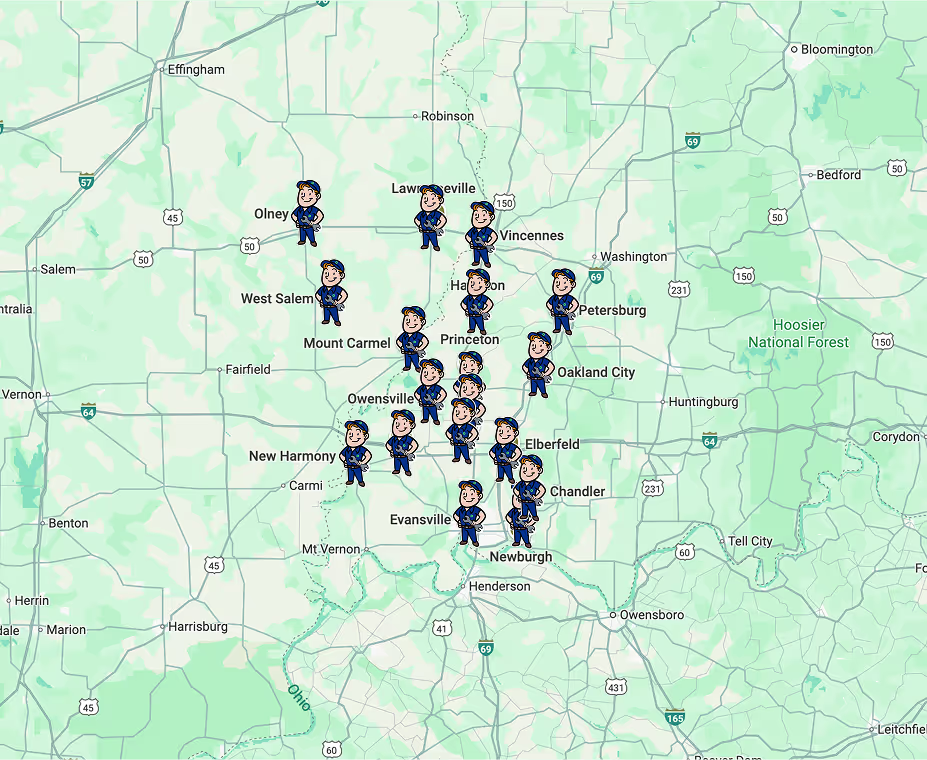
We proudly serve clients throughout our surrounding communities, delivering reliable service wherever you need us. No matter the location, our team is committed to the same high-quality results and responsive support.