Air Duct Cleaning in Elberfeld, IN
Air duct cleaning in Elberfeld, IN improves indoor air quality, seals leaks, and boosts HVAC efficiency. Schedule service now.

Air Duct Cleaning in Elberfeld, IN
Here in Elberfeld, IN, we really understand that clean, properly sealed ductwork makes a huge difference in your home's comfort and health. With our humid summers, chilly winters, and the ever-present seasonal pollen and agricultural dust, it’s easy for your HVAC system to get clogged up with allergens and debris. Perfect Climate Heating and Air offers professional air duct cleaning and optional sealing services to clear out that buildup, restore proper airflow, and ensure your heating and cooling equipment works exactly as it should, keeping your family comfortable and your energy bills in check.
.jpeg)
Why air duct cleaning matters in Elberfeld, IN
- Allergen and dust removal: Spring and summer bring tree pollen and field dust; cleaning removes trapped particles that circulate through living spaces.
- Improved airflow and comfort: Clogged ducts restrict airflow, causing uneven temperatures and longer run times for furnaces and air conditioners.
- Energy savings: Reduced airflow forces systems to work harder, increasing energy use. Clean ducts help the system run more efficiently.
- System longevity: Removing debris reduces stress on motors, blowers, and heat exchangers, lowering the chance of premature failures.
- Health and odor reduction: Dust, pet dander, mold spores, and cooking or tobacco odors trapped in ducts can affect indoor smell and perceived air quality.
Common air duct problems in Elberfeld homes
- Visible dust accumulation at vents and registers.
- Uneven room temperatures, especially in older or remodeled homes.
- Noticeable increase in allergy symptoms when the HVAC runs.
- Dust or debris falling from vents when registers are removed.
- Musty or stale odors during heating or cooling cycles.
- Evidence of small rodent activity or nesting materials inside accessible duct sections.
Inspection and assessment process
A professional inspection identifies the true condition of your ductwork before any work begins. Typical inspection steps:
- Visual assessment of accessible returns and supply registers for dust, mold, or debris.
- Inspection of the furnace or air handler cabinet and filter condition.
- Use of cameras or borescopes when necessary to view inside main trunk lines or inaccessible sections.
- Airflow and static pressure checks to determine if blockages or leaks are affecting performance.
- Documentation of findings with notes and photos to establish a baseline for before-and-after comparison.
Step-by-step professional cleaning methods
Effective duct cleaning uses a combination of agitation, capture, and sanitization. A typical cleaning includes:
- Preparation: Protect floors and furniture, remove vent covers, and set up containment to control dust.
- Agitation: Mechanical brushes, air whips, or compressed air tools dislodge built-up dust and debris in trunks and branch lines.
- High-powered vacuuming: A negative-pressure vacuum source draws loosened debris out of the system through a central collection point. This prevents recontamination of the home.
- Component cleaning: Registers, grilles, and accessible components such as the blower housing and evaporator coil receive focused cleaning.
- Optional sanitizing: When mold, bacteria, or persistent odors are identified, approved sanitizers or antimicrobial treatments can be applied to reduce microbial growth. These are used selectively and discussed during the inspection.
Duct sealing and repairs (optional but recommended)
Cleaning presents an ideal opportunity to address leaks, gaps, and disconnected sections:
- Why sealing matters: Leaky ducts in attics, crawlspaces, or basements allow conditioned air to escape into unconditioned areas, reducing comfort and increasing energy bills.
- Common repairs: Reconnecting detached boots, sealing seams with mastic or UL-rated foil tape, replacing damaged flexible ducts, and insulating exposed trunk lines.
- Expected benefits: Better pressure balance, improved airflow to all rooms, lower energy use, and reduced dust infiltration from crawlspaces or attics.
Expected outcomes and results
After a professional cleaning and any recommended sealing:
- Noticeably less airborne dust and cleaner vents.
- More uniform temperatures and improved airflow to problem rooms.
- Reduced HVAC run times and potential energy savings.
- Fewer allergy triggers circulating during peak pollen seasons.
- Clear documentation of before-and-after photos and a summary report of work performed.
Recommended maintenance intervals
- Typical homes: Every 3 to 5 years for a full cleaning if no specific issues are present.
- Homes with pets, smokers, or occupants with allergies: Every 1 to 3 years.
- After major remodeling, pest intrusion, or flooding: Inspect and likely clean as soon as possible.
- Homes near agricultural activity or unpaved roads: Consider more frequent inspections due to higher dust load.
Pricing factors homeowners should know
Air duct cleaning costs vary based on:
- Home size and number of supply and return registers.
- System complexity: Multiple zones, long trunk lines, or difficult access points increase time and labor.
- Condition of the ducts: Heavy debris, mold remediation needs, or pest cleanup add scope.
- Recommended repairs or sealing: Repair work is priced separately depending on materials and access.
- Additional services: Sanitizing treatments, coil cleaning, or full system cleanings can increase the total.
- Providing a documented inspection and photo evidence helps homeowners understand the scope and cost drivers before work begins.
Before-and-after documentation
A professional service will document:
- Photos of problem areas and access points before cleaning.
- Photos showing debris collected and cleaned registers after service.
- A written summary of repairs, sealing work, and any recommendations for future maintenance or filter upgrades.
- This documentation helps track improvements and supports decisions about follow-up services.
Frequently asked questions (FAQs)
Q: How long does a typical duct cleaning take?
A: Most single-family homes are completed in 2 to 5 hours depending on system size and condition. Extensive repairs or heavy contamination can extend the timeline.
Q: Will cleaning remove mold from my ducts?
A: Cleaning removes surface mold and debris but identified mold growth may require targeted remediation and correction of moisture sources. Sanitizing treatments can reduce microbial presence, but persistent issues need a moisture control plan.
Q: Is duct cleaning safe for my HVAC equipment?
A: When performed by trained technicians using negative-pressure vacuum systems and appropriate agitation tools, cleaning is safe and helps reduce strain on equipment. Avoid DIY methods that can damage components.
Q: Can cleaning improve my energy bills?
A: Yes. Removing blockages and sealing leaks can improve airflow and system efficiency, often reducing heating and cooling run times. The extent of savings depends on the severity of the initial issues.
Q: How do I know if my home needs duct cleaning now?
A: Schedule an inspection if you notice excess dust, worsening allergies when the system runs, uneven temperatures, unusual odors from vents, or visible debris at registers.
Q: Are sanitizing chemicals necessary?
A: Not always. Sanitizing is applied selectively when microbial growth or odors are present. Technicians should explain the product, why it is recommended, and any safety considerations.
For Elberfeld homes, professional air duct cleaning combined with targeted sealing and repairs addresses common regional challenges—pollen, agricultural dust, and seasonal humidity—that affect comfort and indoor air quality. A documented inspection, proven cleaning methods, and clear before-and-after reporting help homeowners make informed decisions about maintenance intervals, efficiency improvements, and addressing allergy or odor concerns.
What Our Clients
Say About Us
Our clients consistently praise our dedication and expertise. They appreciate our commitment to meeting their needs and providing sound advice, which has fostered long-lasting relationships.

SERVICE AREAS
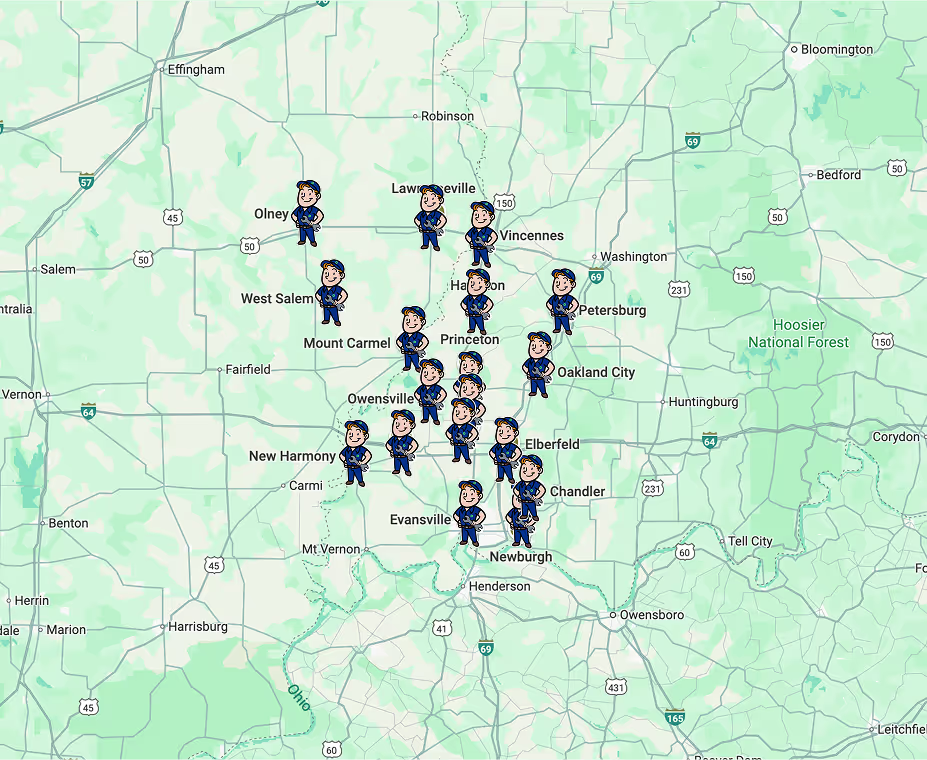
We proudly serve clients throughout our surrounding communities, delivering reliable service wherever you need us. No matter the location, our team is committed to the same high-quality results and responsive support.