Air Duct Cleaning in Fort Branch, IN
Air duct cleaning in Fort Branch, IN improves indoor air quality and airflow. Schedule your service today for cleaner ducts and comfort.

Air Duct Cleaning in Fort Branch, IN
Keeping your Fort Branch, IN home comfortable and truly healthy begins with the air you breathe every day – and that air travels right through your ducts! At Perfect Climate Heating and Air, we specialize in professional air duct cleaning and sealing. We know that agricultural dust, seasonal pollen, humid summers, and cold winters here in Fort Branch can put a real strain on your HVAC system. Our services target that hidden buildup, sneaky leaks, and other contaminants that are not only lowering your indoor air quality but also dragging down your system's performance. With clean ducts, you'll enjoy better airflow, significantly fewer allergens, and much more reliable heating and cooling throughout the year.
.jpeg)
Common air duct problems in Fort Branch, IN homes
- Accumulated dust and debris from nearby fields, older construction, and everyday living
- Pollen, mold spores, and biological contaminants during humid months
- Pet dander and hair in homes with animals
- Dust buildup on heat exchangers, blower motors, and coils that reduces efficiency
- Leaky or disconnected duct joints causing uneven rooms and wasted energy
- Insulation gaps and damaged flex duct sections that reduce delivered airflow
Understanding these common issues helps prioritize when cleaning and sealing are most likely to improve comfort and reduce operating cost.
Inspection and assessment process
A thorough inspection is the first step. The process typically includes:
- Visual inspection of registers, grilles, and accessible duct runs
- Inspection of the air handler, blower, coils, and filter housing
- Use of a camera to inspect main trunks and hard-to-reach branches when needed
- Evaluation of deposit levels (dust, biological growth, debris) and identification of entry points or damage
- Measurement of static pressure and a basic airflow check to document system performance before any work
This assessment produces a clear scope of work so cleaning and sealing address the right problems without unnecessary steps.
Step-by-step air duct cleaning methods
Professional cleaning follows industry best practices and usually includes one or more of the following steps:
- Preparation and containment
- Protect living areas and set up containment at the furnace/air handler and vents
- Remove and clean register and grille covers
- Agitation
- Mechanical brushes or powered air whips are used to dislodge settled dust and debris from duct walls and fittings
- Agitation is performed carefully to avoid damaging older or fragile ducts
- Negative-pressure vacuuming
- A high-efficiency, HEPA-filtered vacuum (truck-mounted or portable) creates negative pressure at the main trunk or access point
- Dislodged dust is drawn out directly into the vacuum system rather than pushed deeper into the network
- Air handler, coil, and blower cleaning
- The furnace or air handler interior, blower fan, and evaporator coil are cleaned to remove dust and biofilm that reduce efficiency and harbor contaminants
- Sanitizing or antimicrobial application (optional)
- Where mold or biological growth is present, a targeted, EPA-approved antimicrobial treatment can be applied to control active growth; this is only used when inspection indicates it is necessary
- Final checks
- Re-inspect ducts and registers, verify negative-pressure capture, and perform a final airflow comparison to the pre-cleaning measurements
These steps remove the resistance and contamination that restrict airflow and can cause odor or poor air quality.
Duct sealing and minor repair options
Cleaning provides the best opportunity to inspect and seal ductwork. Typical repairs include:
- Sealing seams and joints with mastic or UL-181-rated foil tape to prevent leakage
- Reconnecting or replacing short sections of damaged flex duct
- Adding or repairing insulation on accessible trunk lines to reduce heat loss/gain
- Reinforcing loose collars and boot connections at registers
Sealing ducts after cleaning prevents recontamination and makes the HVAC system deliver conditioned air more efficiently to each room.
Expected deliverables after service
When professional cleaning and sealing are complete, homeowners can expect:
- Before-and-after documentation, often including photos of major access points and cleaned components
- A written summary of contaminants removed and repairs performed
- Measured improvements in airflow and a report comparing pre- and post-service readings when applicable
- Cleaned registers and air handler components and a checklist of completed work
- Recommendations for follow-up maintenance and intervals based on observed conditions
These deliverables give a transparent record of work and a baseline for future upkeep.
Benefits for indoor air quality and HVAC efficiency
- Reduced airborne dust and allergens, improving respiratory comfort for sensitive occupants
- Fewer dust deposits on furniture and HVAC components, reducing cleaning and maintenance needs
- Improved airflow and system balancing, which helps maintain even temperatures throughout your home
- Reduced strain on the furnace and air conditioner, which can extend equipment life and reduce the frequency of repairs
- When combined with proper filtration, cleaning helps the system deliver healthier air more consistently
In Fort Branch, where pollen and field dust can be seasonal challenges, these benefits are especially noticeable after a thorough service.
Recommended maintenance intervals
General guidance for most homes:
- Every 3 to 5 years for routine duct cleaning under normal conditions
- More frequently (annually or every 2 years) if you have pets, multiple occupants with allergies, smokers, or recent home renovation
- Sooner if inspection shows visible mold growth, pest infestation, or significant debris buildup
- Perform a targeted inspection after major HVAC work or when occupants report new odors or excessive dust
These intervals align cleaning effort with actual risk and local conditions.
Pricing and financing options overview
Pricing varies by home size, system complexity, level of contamination, and whether sealing or repairs are required. Typical service scopes range from basic register-to-register cleaning to comprehensive trunk and air handler restoration with sealing. Many providers offer flexible payment solutions or financing plans to spread the cost of larger jobs and repairs. A clear, itemized estimate after inspection ensures you know what is included before any work begins.
How scheduling and the service visit typically work
- An inspection appointment is usually scheduled to evaluate system access and condition
- Technicians perform the documented assessment, provide a written estimate, and recommend a scope of work tailored to the findings
- On the agreed service day, crews protect living spaces, complete cleaning and repairs, and document results
- Final walkthrough or report outlines what was cleaned, repaired, and recommended next steps for maintenance
Understanding this process helps homeowners plan and set expectations for time on site and the outcome.
Air duct cleaning and sealing are practical investments for Fort Branch homes dealing with seasonal pollen, agricultural dust, and older duct systems. When inspection, cleaning, and sealing are done together and documented, homeowners gain measurable improvements in indoor air quality, comfort balance, and HVAC performance—outcomes that protect both occupants and equipment over the long term.
What Our Clients
Say About Us
Our clients consistently praise our dedication and expertise. They appreciate our commitment to meeting their needs and providing sound advice, which has fostered long-lasting relationships.

SERVICE AREAS
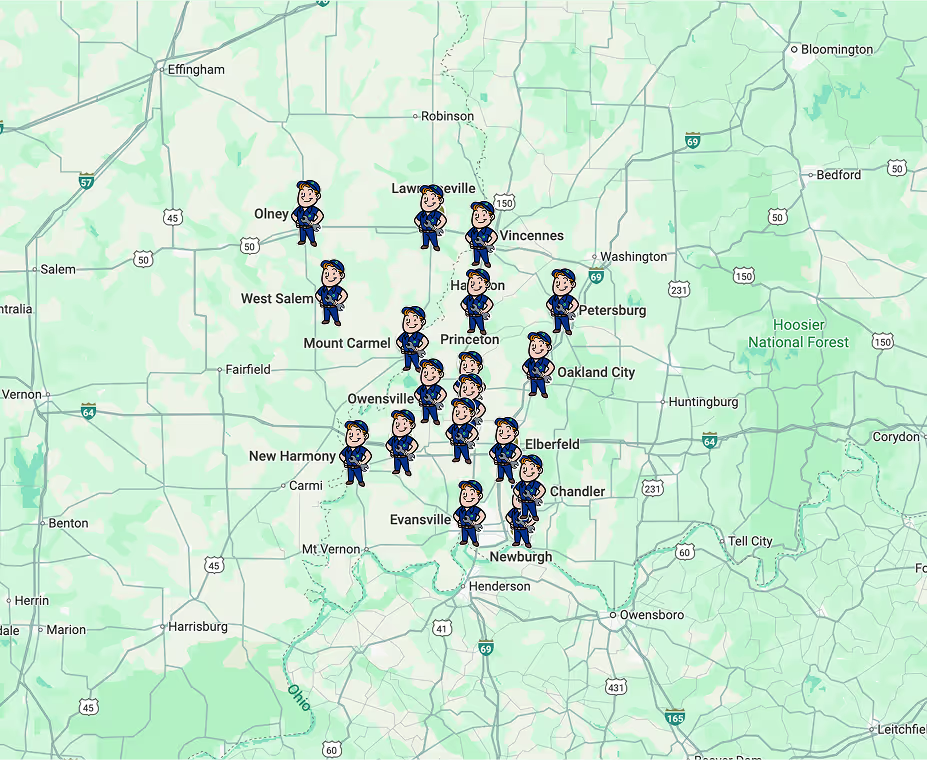
We proudly serve clients throughout our surrounding communities, delivering reliable service wherever you need us. No matter the location, our team is committed to the same high-quality results and responsive support.