Air Duct Cleaning in Mount Carmel, IL
Professional air duct cleaning in Mount Carmel, IL helps improve indoor air quality and system efficiency. Schedule a thorough inspection and cleaning today.

Air Duct Cleaning in Mount Carmel, IL
Making sure your home’s ventilation system is clean is truly one of the most effective steps you can take to boost indoor air quality and get the most out of your HVAC performance. Here in Mount Carmel, IL, we know that local weather patterns, persistent seasonal pollen, and the charming older homes often come with their original ductwork. These factors collectively increase the need for professional air duct cleaning. At Perfect Climate Heating and Air, we understand these local challenges and are ready to provide the thorough cleaning your home deserves, helping you breathe easier and enjoy a more efficient heating and cooling system.
.jpeg)
Why Mount Carmel homes often need duct cleaning
- Humid summers and river-valley conditions encourage dust, pollen, and occasional microbial growth inside ductwork.
- Older homes and renovations can introduce construction dust and debris into ducts.
- Farming and outdoor activity in the area increase fine dust and allergens tracked indoors.
- These local factors mean many Mount Carmel residents see more airborne dust and allergy symptoms without regular duct maintenance.
Common duct problems we address
- Visible dust and debris on supply and return grilles
- Reduced airflow from clogged registers or insulated flex ducts
- Increased indoor allergies or frequent dusting needs
- Signs of poor duct sealing: inconsistent room temperatures, dust around seams
- Evidence of debris from rodents or pests, or moisture stains indicating past leaks
Inspection and assessment (what happens first)
A professional cleaning begins with a thorough inspection and assessment:
- Visual inspection of grille and register conditions.
- Camera inspection of main runs and concealed duct sections when recommended.
- Camera footage documents contamination, constrictions, or damage so the service plan matches the actual problem.
- Evaluation of HVAC components (coil, blower, plenums) that often require cleaning alongside the ducts.
- This step determines the scope of work, appropriate cleaning methods, and whether duct repairs or sealing are needed.
Methods used in a complete cleaning
We use industry-standard techniques based on the contamination level and duct type:
- Negative-pressure systems: High-power vacuuming establishes negative pressure at a sealed access point so debris is removed safely to a collection container.
- Agitation brushes and compressed air: Mechanical brushes or air-whips dislodge settled dust and particulate from duct surfaces so the vacuum can remove it.
- Power vacuuming of plenums and registers: The furnace plenum, air handler cabinet, and return plenums are cleaned to remove the source of redistributed dust.
- Optional coil and blower cleaning: Cleaning the evaporator coil and blower improves system efficiency and prevents recontamination.
- Optional sanitizing or antimicrobial treatments: Applied only when indicated by inspection (visible microbial growth or specific occupant needs); explained and documented before use.
Duct sealing and repair options
Cleaning reveals leaks, disconnected joints, and damaged flexible duct. Typical sealing/repair options:
- Mastic or approved metal-backed tape for permanent sealing of sheet metal ducts.
- Approved UL 181-rated tapes for flexible ducts and connectors.
- Replacing sections of collapsed or heavily contaminated flex duct.
- Sealing improves efficiency, reduces dust entry, and often pays back through lower energy bills and better comfort.
Benefits you should expect
- Improved indoor air quality: Less dust, pollen, and airborne particulate recirculating through living spaces.
- Reduced allergy and asthma triggers: Many homeowners report fewer symptoms after a full clean.
- Lower dusting frequency: Home surfaces stay cleaner for longer when ducts are clean.
- Potential HVAC efficiency gains: Removing blockages from returns and cleaning coils/blowers helps airflow and system performance.
- Clear documentation: Camera footage and before-and-after photos show condition changes and justify recommended repairs.
Typical timeline and what to expect during the visit
- Initial inspection and estimate: 30–60 minutes (may include camera inspection).
- Clean for a typical single-family home: most jobs take a few hours; larger homes or heavily contaminated systems can require a full day.
- On-site sequence: technicians will (1) protect floors and work areas, (2) access registers and create sealed vacuum points, (3) run agitation tools and vacuum, (4) clean coils/plenum if needed, (5) perform any agreed repairs or sealing, and (6) provide camera or photo documentation of results.
- Occupant considerations: you do not generally need to be present for the entire process, but being available for the initial walkthrough and final review is helpful. Technicians may ask to access attic or crawl spaces.
Recommended cleaning frequency for Mount Carmel homes
- Typical interval: every 3–5 years for most homes under normal conditions.
- Sooner inspection/cleaning recommended if: recent remodeling, visible dust build-up at registers, new or worsening allergy symptoms, water damage to HVAC areas, pest intrusion, or if occupants smoke indoors or have pets that shed heavily.
- Local climate and homeowner habits will influence frequency—humid summers and nearby agricultural dust may justify more frequent checks.
How estimates are determined (what affects cost)
Estimates are based on objective factors, not guesswork:
- Square footage and number of duct runs or zones.
- Access complexity (attic/crawl access, multi-level homes).
- Level and type of contamination discovered during inspection.
- Need for coil/blower cleaning, duct repairs, or sealing.
- Additional services like sanitizing or replacing contaminated flex duct.
- A thorough inspection produces a clear written scope so you understand what work is included.
Before-and-after examples (what clients typically see)
- Before: dark dust and debris visible around return grilles, reduced airflow, and dusty HVAC components.
- After: registers and vents free of particulate, camera footage showing clean metal surfaces and improved airflow paths, cooler and more even temperatures in previously underperforming rooms.
- Photographic evidence and camera clips offer transparency and peace of mind.
Maintenance plan options
- Scheduled inspections aligned with HVAC tune-ups to spot build-up early.
- Filter management plans: correct filter type and regular replacement to minimize duct contamination.
- Optional add-ons: whole-home air purification, UV germicidal lamps, and humidity control to reduce microbial growth.
- Bundling duct checks with seasonal HVAC maintenance reduces long-term cost and extends system life.
Certifications, standards, and guarantees
- Look for technicians trained to recognized industry standards and following protocols for safe, effective cleaning.
- Camera documentation, written scopes of work, and post-service reports are standard practice to demonstrate results.
- Reputable providers offer workmanship guarantees for repairs and clear documentation of cleaning outcomes.
Frequently asked questions
- Q: Will duct cleaning stop my allergies completely?
A: Cleaning reduces dust and allergens but is one part of a comprehensive indoor air quality plan that includes proper filtration, humidity control, and source control. - Q: Can duct cleaning damage my system?
A: When done with proper tools and trained technicians, professional cleaning is safe for both metal and flex ducts. Avoid companies that use high-pressure methods that could harm duct liners. - Q: How long does the cleanliness last?
A: With proper filtration and no new contamination, many homeowners notice lasting improvement for several years; local conditions like pollen season can shorten that period. - Q: Do I need to be home during the service?
A: Presence is recommended for initial inspection and final review, but you do not need to remain for the entire job unless requested. - Q: Is sanitizing always necessary?
A: No. Sanitizing or antimicrobial sprays are used only when inspection indicates microbial growth or when occupants request an additional treatment after understanding benefits and limitations.
This detailed approach ensures homeowners in Mount Carmel, IL understand what full air duct cleaning involves, how local factors affect duct condition, and what to expect from a professional service. If you want documentation-focused results and lasting indoor air benefits, a thorough inspection followed by a targeted cleaning and any necessary sealing is the recommended path for most regional homes.
What Our Clients
Say About Us
Our clients consistently praise our dedication and expertise. They appreciate our commitment to meeting their needs and providing sound advice, which has fostered long-lasting relationships.

SERVICE AREAS
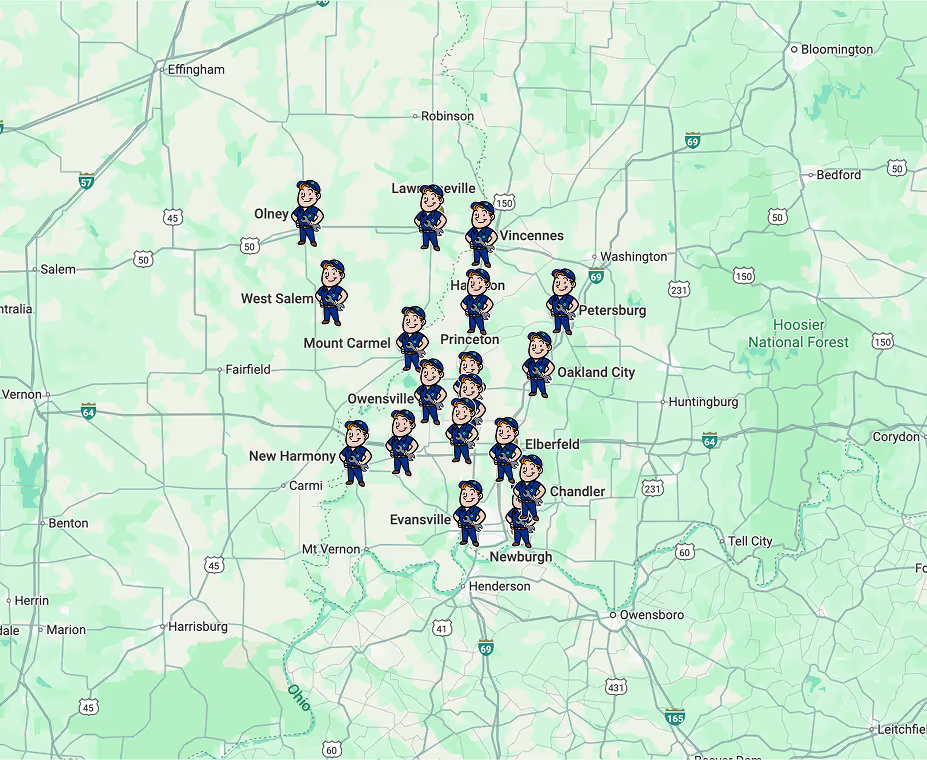
We proudly serve clients throughout our surrounding communities, delivering reliable service wherever you need us. No matter the location, our team is committed to the same high-quality results and responsive support.