Air Duct Cleaning in Owensville, IN
Air duct cleaning and sealing services in Owensville, IN improve indoor air, boost system efficiency, and reduce allergens, book your service today.

Air Duct Cleaning in Owensville, IN
For homeowners in Owensville, professional air duct cleaning and sealing is a key service that can dramatically improve indoor air quality, restore your HVAC performance, and significantly reduce allergens and unwanted odors. Considering southern Indiana’s hot, humid summers, intense pollen seasons, and the abundance of older housing stock in the area, routine duct cleaning from Perfect Climate Heating and Air can truly be a practical, health-focused investment. It's not just about comfort; it also plays a crucial role in helping your entire heating and cooling system run much more efficiently, potentially saving you on energy costs.
.jpeg)
Why professional air duct cleaning matters in Owensville, IN
- Seasonal pollen and agricultural dust are common in the Tri-State region, increasing airborne particulates that collect in ductwork.
- High summer humidity and occasional basement or crawlspace moisture can encourage mold growth in poorly sealed ducts.
- Older homes and HVAC systems in Owensville often have gaps, disconnected boots, or uninsulated runs that reduce system efficiency and bring contaminants into living spaces.
- Professional cleaning and sealing reduce allergens, musty odors, and dust build-up while restoring airflow and reducing strain on HVAC equipment.
Common duct issues in Owensville homes
- Visible dust and debris on registers and uneven airflow between rooms.
- Noticeable musty or stale odors when HVAC runs, especially after periods of high humidity.
- Increased allergy symptoms during pollen season despite new filters.
- Large amounts of pet hair or dander trapped in trunk lines.
- Rodent or insect debris in older or unsealed plenums and branch lines.
- Leaky joints, torn flex ducts, or disconnected boots in attics and crawlspaces.
What a professional inspection and video diagnostic includes
- Visual assessment of accessible ductwork, registers, and HVAC equipment for damage, mold, or rodent signs.
- Video camera inspection inside trunk lines and hard-to-reach runs to locate blockages, heavy debris, or insulation breakdown.
- Baseline airflow and pressure observations to identify sections with restricted flow.
- Documentation of findings and recommended next steps: deep cleaning, targeted repairs, sealing, or sanitization.
Equipment and methods used
- Negative-pressure whole-house vacuum: a high-power vacuum placed outside the living space to pull dislodged debris from the entire duct system through a sealed connection at the furnace or air handler.
- Agitation tools: rotary brushes, air whips, and compressed air nozzles loosen dust, lint, and debris from duct surfaces and registers.
- HEPA filtration on vacuum exhaust to prevent recontamination of outdoor air.
- Video camera and flexible inspection rods for before-and-after documentation of trunk lines and branches.
- Duct sealing options: durable mastic and mesh for accessible joints, or aerosol-based sealing for hard-to-reach leaks within the system.
- Sanitization and odor-control options: EPA-registered antimicrobial applications or targeted treatments where active biological growth is identified; UV-C light recommendations for coil and air handler protection when appropriate.
Typical process and timeline
- Initial inspection and video diagnostic (30–60 minutes) to scope the job and note repairs needed.
- Protect living areas and set up negative-pressure vacuum system at the outdoor exhaust or near the furnace.
- Agitate and clean main trunk lines and branch ducts, working from register to main trunk to remove settled debris.
- Clean and restore registers, grilles, and the return plenum; clean or advise on the HVAC coil area if required.
- Repair and seal accessible joints with mastic or mesh; if aerosol sealing is selected, perform a duct-tightness test and apply polymer sealant to internal leaks.
- Optional sanitization applied only where inspection indicates microbial growth or persistent odors.
- Final video inspection and documentation of before-and-after conditions.
Most typical single-family homes require 2 to 4 hours for a complete cleaning and basic sealing. Larger homes, complex multi-zone systems, or jobs that include significant repairs and aerosol sealing may require a full day.
Preparation steps for homeowners
- Clear access to all supply and return registers; move small furniture or rugs near vents to allow technician access.
- Ensure attic and crawlspace access points are unlocked and clear of obstructions.
- Turn off humidifiers or whole-house dehumidification systems before service.
- Secure pets and inform technicians of any allergy sensitivities in the household.
- Replace or set aside new HVAC filters to install after service.
What professional cleaning accomplishes (versus DIY)
- A professional negative-pressure cleaning removes deep-set dust and debris throughout the duct network rather than simply vacuuming visible registers.
- Video diagnostics and duct-tightness testing verify the source of airflow problems and prioritize repairs.
- Professional sealing techniques address leaks that DIY tape or temporary fixes cannot reliably repair.
- Proper filtration and HEPA containment on equipment prevent re-introducing contaminants into your home during cleaning.
Sanitization, mold, and odor control
- Sanitization is recommended only after inspection confirms biological growth or persistent odors; indiscriminate chemical application is avoided.
- Technicians use targeted, EPA-registered antimicrobial solutions and ensure treatments are compatible with system components.
- For ongoing mold prevention, addressing duct leaks and controlling humidity in attics or crawlspaces is essential.
Long-term benefits and maintenance recommendations
- Improved indoor air quality: fewer airborne particulates, less dust on surfaces, and reduced allergen load.
- Better HVAC performance: restored airflow, more consistent room temperatures, and reduced runtime.
- Extended equipment life: less stress on fans and heat exchangers when ducts are clear and sealed.
Recommended maintenance cadence:
- Visual inspection annually.
- Full duct cleaning every 3–5 years for most homes, sooner if you have pets, recent renovations, smoking, or a household member with severe allergies.
- Change HVAC filters every 1–3 months depending on filter type and home conditions.
- After water damage, flooding, or evidence of biological growth, schedule an inspection and cleaning promptly.
What results you can expect
- Noticeable reduction in dust on surfaces and less clogging of high-efficiency filters.
- Improved airflow and quieter operation as blockages are removed.
- Elimination of musty or stale odors when they stem from duct contamination.
- Quantifiable improvements shown in before-and-after video inspection footage and register airflow checks.
What Our Clients
Say About Us
Our clients consistently praise our dedication and expertise. They appreciate our commitment to meeting their needs and providing sound advice, which has fostered long-lasting relationships.

SERVICE AREAS
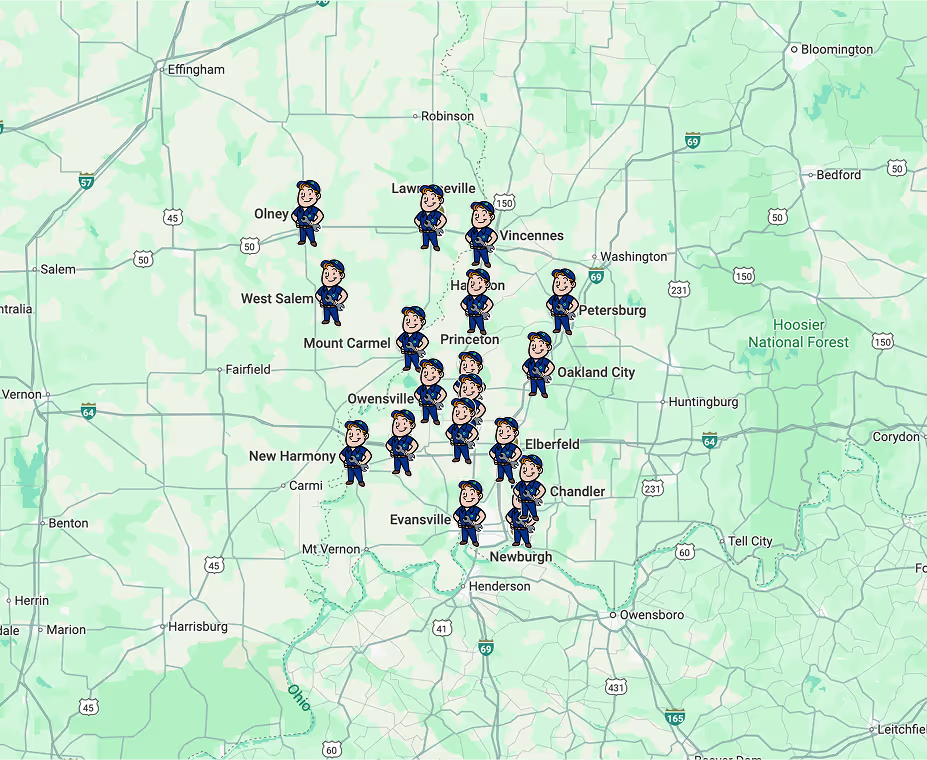
We proudly serve clients throughout our surrounding communities, delivering reliable service wherever you need us. No matter the location, our team is committed to the same high-quality results and responsive support.