Mini Split Repair in Oakland City, IN
Mini Split repair services in Oakland City, IN restore comfort quickly. Schedule a diagnosis and repair today for reliable, efficient climate control.

Mini Split Repair in Oakland City, IN
At Perfect Climate Heating and Air, we know mini split systems are a popular, efficient way to keep Oakland City, IN homes comfortable year-round. They're great for consistent comfort and often lower energy use than many traditional systems. But when your mini split isn't performing, you're left with uncomfortable rooms, higher electric bills, or a system that completely fails right when you need it most. Rest assured, we're experts in getting them back in top shape.
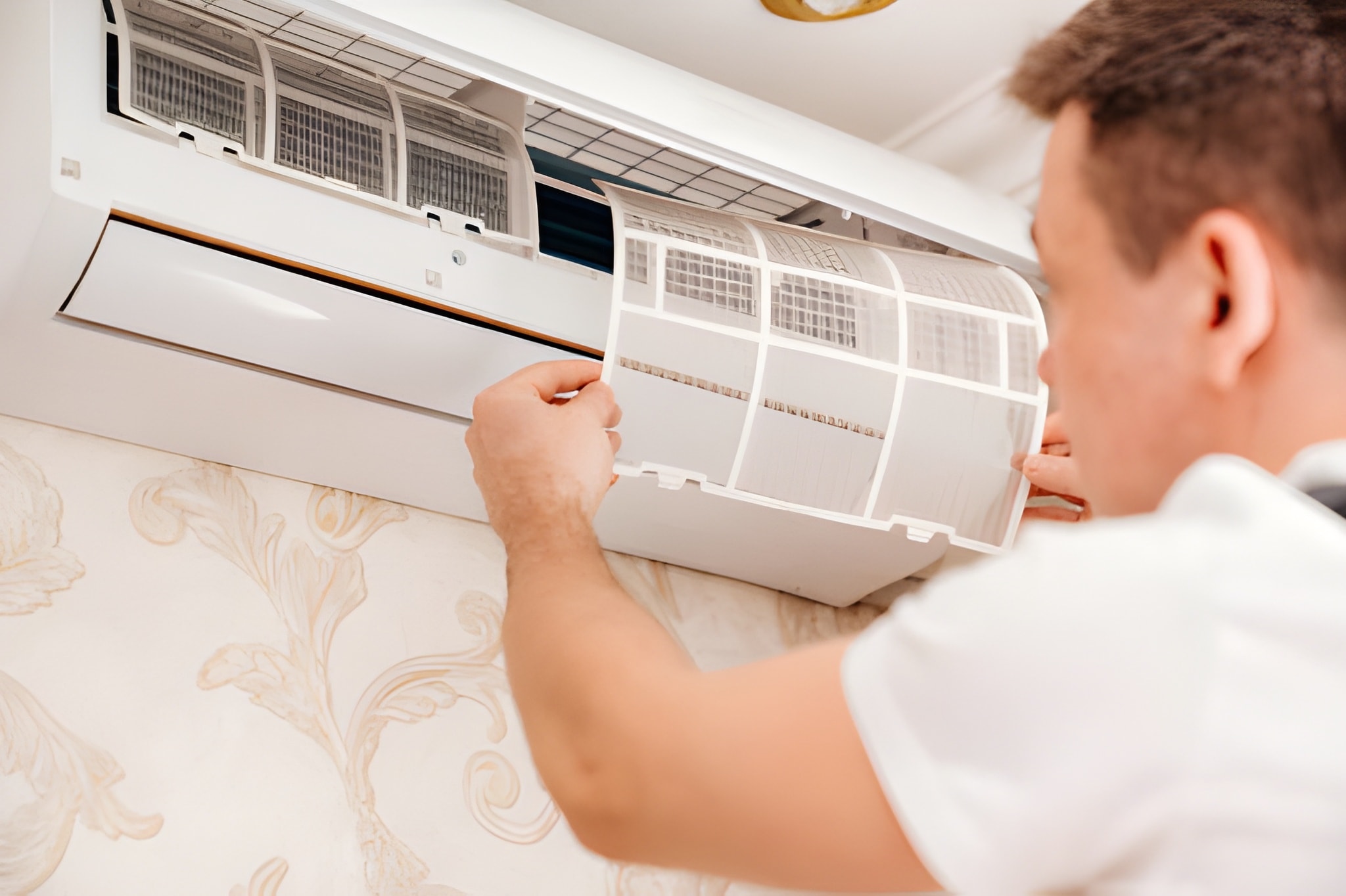
Common Mini Split repair issues in Oakland City homes
Oakland City’s humid summers and cold winters place seasonal stress on mini splits. Typical issues we see include:
- No cooling or heating — unit runs but does not reach set temperature. Often caused by refrigerant leaks, compressor or inverter faults, or airflow restrictions.
- Weak airflow — insufficient air from the indoor head. Common causes are clogged filters, failing fan motors, or blocked indoor coils.
- Refrigerant leaks — low refrigerant reduces capacity and can damage the compressor if left unfixed.
- Frequent on/off cycling — short-cycling can be caused by refrigerant issues, oversized units, or failing control boards.
- Water leaks or drainage problems — blocked condensate lines or improper slope cause water to drip or back up into the unit.
- Unusual noises — rattles, grinding, or loud hums point to loose components, fan motor wear, or compressor problems.
- Error codes and communication faults — modern mini splits show fault codes for sensors, inverter problems, or communication failures between indoor and outdoor units.
- Frozen evaporator coils — restricted airflow or low refrigerant can cause coil icing, common in humid climates.
How we diagnose Mini Split problems
A reliable diagnosis uses a step-by-step approach so repairs fix the root cause:
- Symptom intake — review what the owner has observed: noises, error codes, time of day problems occur.
- Visual inspection — check indoor and outdoor units for obvious damage, debris, and drain blockages.
- Airflow and filter check — measure airflow and inspect filters and coils for dirt and restrictions.
- Electrical tests — verify power, breakers, fuses, and control board voltages to identify electrical faults.
- Refrigerant pressure testing — measure pressures to determine if the charge is correct and if there is a leak.
- Leak detection — use electronic leak detectors or ultraviolet dye to find refrigerant leaks in lines, fittings, or coils.
- Control and sensor checks — test thermostats, remotes, sensors, and communication wiring for errors.
- Compressor and inverter diagnostics — measure currents and run tests to see if the compressor or inverter is malfunctioning.
This combination of checks provides a clear repair plan so you avoid unnecessary part replacements.
Refrigerant leak detection and recharge
Refrigerant leaks are common causes of reduced cooling or heating and should be handled methodically:
- Leak detection uses electronic sniffer tools, UV dye, and pressure testing to locate slow leaks in lines, brazed joints, and coil seams.
- Repairs focus on fixing the leak first. Recharging a system without repairing the leak is a temporary fix that wastes refrigerant and risks further damage.
- After repair, the system is properly evacuated and recharged to manufacturer specifications. Proper charging ensures efficient operation and protects the compressor.
- Local regulations and environmental considerations require safe recovery and handling of refrigerant. All work follows standard environmental practices.
Compressor and inverter troubleshooting
Many modern mini splits use inverter-driven compressors that deliver efficient, variable-speed operation. Troubles can be electrical or mechanical:
- Inverter faults typically show up as error codes, unit won’t start, or reduced capacity. Troubleshooting includes verifying supply voltages, checking the inverter PCB, and testing communication lines.
- Compressor mechanical failures cause loud hums, no compressor rotation, or tripping breakers. Mechanical failures often require replacement and refrigerant recovery.
- Depending on findings, solutions range from replacing a control board or sensors to rebuilding or replacing the compressor. Matching parts and proper system evacuation are essential for long-term reliability.
Electrical and control repairs
Electrical problems are among the most common and include:
- Blown fuses, tripped breakers, and loose wiring connections
- Faulty control boards or communication modules
- Malfunctioning sensors or remotes and thermostat calibration issues
- Fan motor failures or capacitor replacements
Technicians isolate and test circuits, replace failed electrical components, and verify safe operation before returning the system to service.
Parts replacement and typical repair timelines
Common replacement parts include filters, fan motors, capacitors, PCB/inverter boards, sensors, expansion valves, and compressors. Typical timelines are:
- Initial diagnosis: 30 to 90 minutes, depending on accessibility and symptoms.
- Minor repairs and part swaps (filters, capacitors, fan motors, sensor replacements): often completed the same day, typically within a few hours.
- Major repairs (inverter board replacements or compressor replacement): may require ordering manufacturer-specific parts and can take 1 to 3 days or longer depending on availability.
- Refrigerant recovery, leak repair, and recharge: timing depends on leak location and severity; small leaks can be repaired and recharged the same day, more complex leaks may extend timelines.
In Oakland City, parts availability can affect scheduling. Local suppliers and regional inventory hubs in nearby service areas are commonly used, which can influence how quickly specialized parts arrive.
Emergency callouts and expected response times
Mini split failures that leave a home without heat in winter or without cooling in the peak of summer are treated as urgent. Typical emergency procedures include:
- Rapid triage on arrival to determine whether a safe temporary solution is possible
- Prioritizing safety by isolating electrical faults or shutting down systems that could cause further damage
- Performing temporary measures when appropriate to restore partial service while parts are sourced
Response times depend on technician availability and distance, but in small communities like Oakland City expect prioritized emergency responses within a few hours when technicians are on call. Non-emergency appointments are generally scheduled within one to two business days.
Preventive maintenance to avoid future repairs
Regular maintenance extends the life of a mini split and reduces emergency repairs. Key maintenance actions:
- Replace or clean filters every 1 to 3 months depending on use
- Keep the outdoor unit free of leaves, grass, and debris and maintain 2 to 3 feet of clearance
- Schedule annual or biannual tune-ups that include coil cleaning, refrigerant pressure checks, electrical inspection, and drain line clearing
- Watch for early warning signs: rising energy bills, unusual noises, reduced airflow, or recurring error codes
In Oakland City, seasonal checks before humid summer months and before the heating season help the system run efficiently under the region’s climate stresses.
Well-diagnosed mini split repairs focus on identifying root causes rather than temporary fixes. Understanding common problems, diagnostic steps, refrigerant handling, inverter and compressor issues, and realistic timelines helps property owners in Oakland City, IN make informed decisions about their ductless systems. Regular maintenance and timely repairs protect comfort, improve efficiency, and extend equipment life.
What Our Clients
Say About Us
Our clients consistently praise our dedication and expertise. They appreciate our commitment to meeting their needs and providing sound advice, which has fostered long-lasting relationships.

SERVICE AREAS
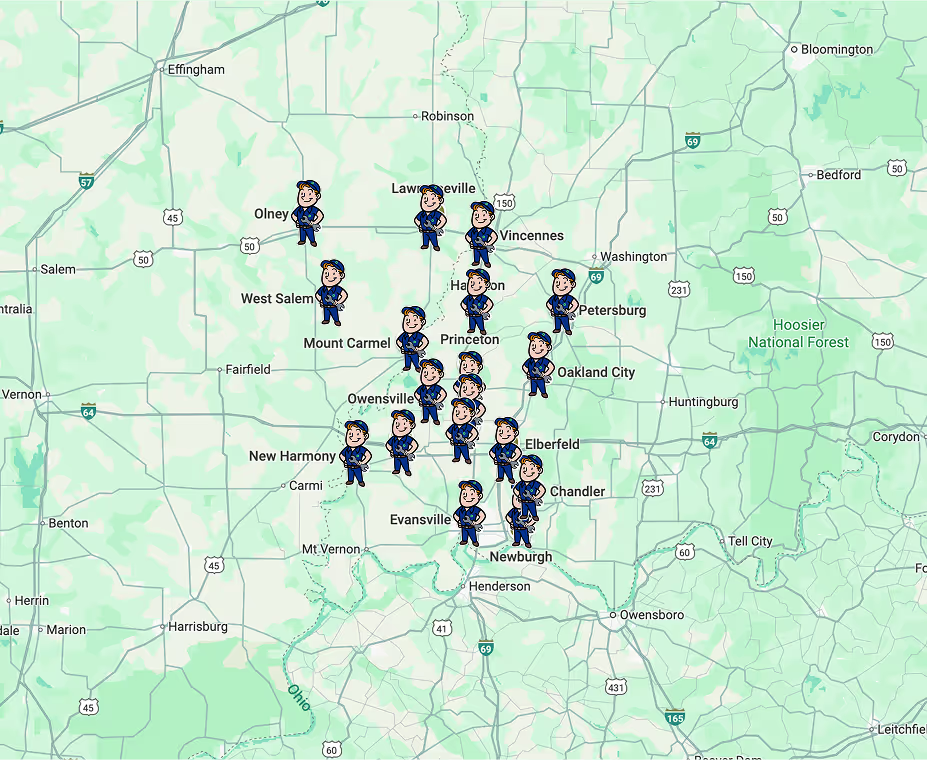
We proudly serve clients throughout our surrounding communities, delivering reliable service wherever you need us. No matter the location, our team is committed to the same high-quality results and responsive support.