
Mini Split Tune-up in Elberfeld, IN
Get expert mini split tune-ups in Elberfeld, IN to improve efficiency, prevent failures, and protect warranties. Schedule service today.

Mini Split Tune-up in Elberfeld, IN
Honestly, keeping your mini split heat pump properly tuned and inspected is one of the smartest things you can do for your Elberfeld, IN home. It's truly the best way to protect your comfort, keep those energy bills in check, and significantly extend the life of your system. Our local weather, with those hot, humid summers and chilly winters, really puts a lot of demand on ductless systems all year long. That's why routine seasonal tune-ups by Perfect Climate Heating and Air are so important—we catch those small issues before they turn into expensive headaches.
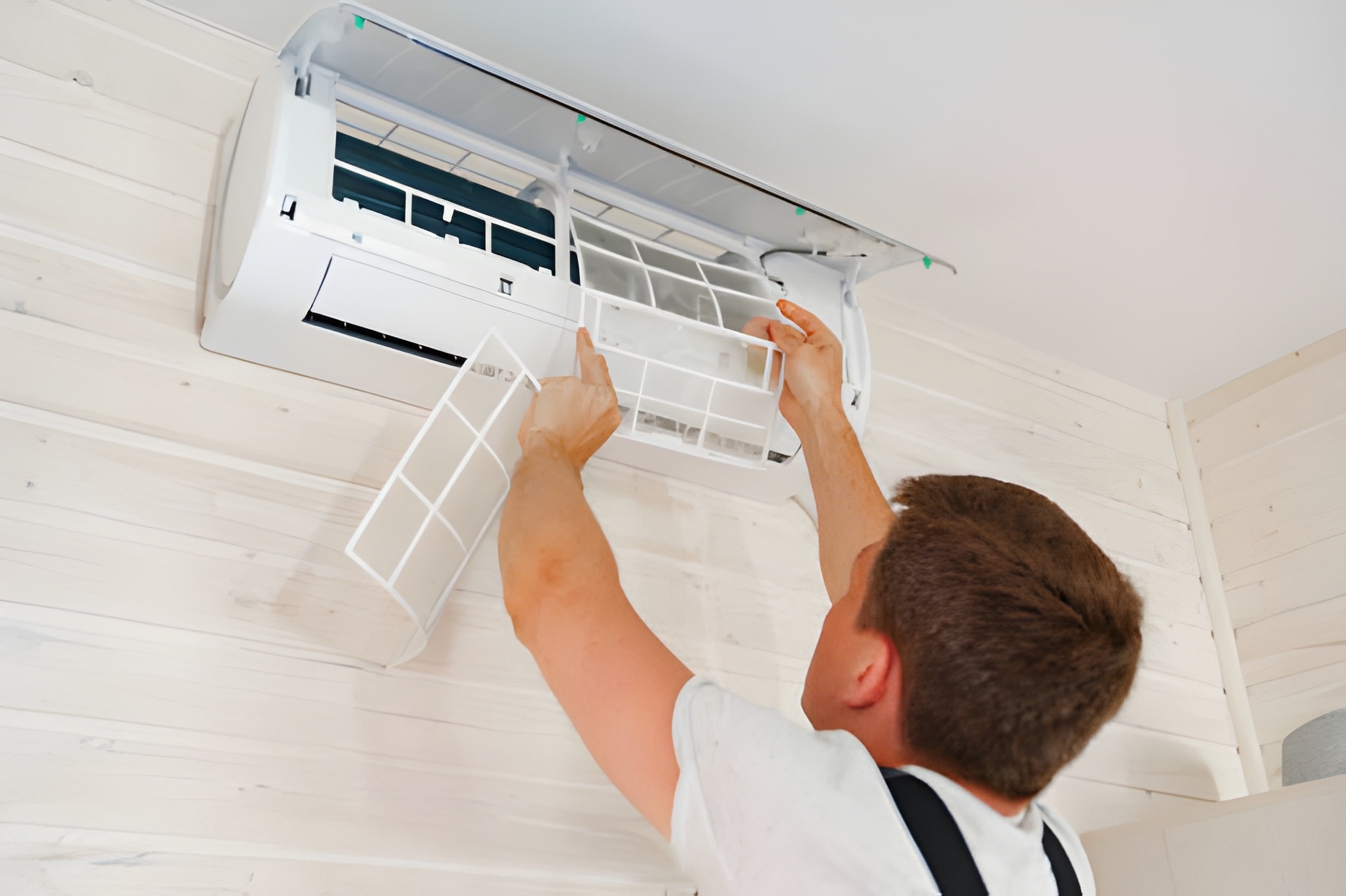
Why Mini Split tune-ups matter in Elberfeld, IN
Elberfeld experiences humid summers that force mini splits to run longer and work harder to remove moisture and cool indoor air. That extra runtime increases wear on fans, compressors, and controls and raises the risk of clogged filters, moldy drain lines, and refrigerant leaks. Winters also matter: many mini splits operate in heat pump mode and rely on proper refrigerant charge and defrost operation to heat efficiently. Seasonal tune-ups prepare your system for both extremes, improving performance and avoiding emergency repairs when you need comfort most.
Common Mini Split issues in Elberfeld, IN homes
- Restricted airflow from dirty filters or blocked indoor coils
- Reduced cooling or heating capacity due to low or leaking refrigerant
- Short cycling caused by sensor or control issues
- Frozen indoor or outdoor coils during heavy use or incorrect refrigerant charge
- Clogged condensate drain lines leading to water damage or microbial growth
- Loose electrical connections, failing capacitors, or worn fan motors
- Improper thermostat or controller calibration affecting comfort
Mini Split tune-up checklist
A professional seasonal tune-up follows a thorough checklist to ensure safe, efficient operation. Typical items include:
- Filter and indoor coil cleaning
- Inspect and clean or replace filters
- Vacuum and clean indoor evaporator coil fins to restore airflow
- Outdoor coil and area cleaning
- Remove debris, leaves, grass, and dust from the outdoor condenser coil and housing
- Clear a two-foot perimeter around the outdoor unit for proper airflow
- Refrigerant level and leak check
- Measure refrigerant pressures and temperatures
- Diagnose and report signs of leaks or incorrect charge (repair options recommended if needed)
- Electrical inspection and safety checks
- Tighten electrical connections and check contactors, capacitors, and fuses
- Measure voltage and amp draw to ensure components run within manufacturer tolerances
- Thermostat/calibration and sensor verification
- Confirm remote control or wired thermostat is calibrated and responding
- Verify temperature sensors and control logic to prevent short cycling
- Drainage and condensate management
- Clear condensate drain lines and pans; check for mold or standing water
- Performance testing and airflow measurement
- Measure supply and return temperatures to calculate delta-T
- Verify system achieves rated cooling/heating output and consistent airflow
- Defrost cycle check (for heat mode)
- Test outdoor unit defrost operation and confirm normal cycle behavior
- System safety and documentation
- Check safety controls and operation in both modes
- Provide a written service report with findings, recommended repairs, and maintenance history
What the tune-up process looks like
A typical visit begins with a visual inspection and system history review. With power safely isolated, the technician gains access to panels, inspects coils and filters, and performs hands-on cleaning. Refrigerant and electrical diagnostics are done while the system runs to capture accurate performance data. Technicians document temperatures, pressures, voltages, and any abnormal readings, then explain findings in plain language and note parts or repairs that will preserve efficiency and warranty requirements.
Recommended frequency for Mini Split tune-ups
- Homeowners: At minimum once per year, but twice per year is best — once in spring (pre-cooling) and once in fall (pre-heating). This schedule addresses the heavy cooling season in Elberfeld and prepares the system for winter heat pump operation.
- High-use systems or multi-zone installations: Consider quarterly inspections or an expanded maintenance plan if the system handles continuous loads or serves a business.
- Filters: Visual check monthly; replace or clean per the manufacturer (often every 1–3 months) depending on use, pets, and indoor air quality.
Maintenance plan options (structure, no pricing)
Maintenance plans are typically offered in tiered options to match needs and budgets:
Basic Plan
- Annual inspection, filter check, safety inspection, and service report
- Ideal for lightly used single-zone systems
Standard Tune-up
- Biannual visits (spring and fall), coil and filter cleaning, refrigerant and electrical checks, basic drain cleaning, and documented service report
- Recommended for most Elberfeld homes
Premium Preventive Care
- All standard tasks plus priority scheduling, seasonal performance testing, detailed diagnostics (amp draw, subcooling/superheat), extended parts warranty options, and a maintenance log for warranty compliance
- Best for multi-zone systems, high-use applications, or homeowners who want maximum protection
Each plan should include written documentation of service performed and any findings; that documentation is important for warranty records and resale value.
How tune-ups protect your warranty
Many mini split manufacturers require routine maintenance by a qualified technician to keep warranties valid. Documented tune-ups serve as proof that the system received proper care. During a tune-up, certified technicians perform the checks that manufacturers expect: refrigerant handling, electrical safety, coil cleaning, and operational testing. Keeping the maintenance log, invoices, and service reports can be essential when submitting warranty claims for compressor or component failures.
Practical homeowner tips between tune-ups
- Check and clean or replace filters monthly during heavy use months.
- Keep the outdoor unit free of vegetation, grass clippings, and stored items; maintain at least two feet clearance.
- Inspect indoor units for unusual noises, odors, or visible water and report abnormalities early.
- Avoid covering the outdoor unit in winter unless manufacturer guidance recommends a specific cover; improper covering can trap moisture and promote corrosion.
- Note changes in run time or comfort and record the date to help technicians diagnose trends.
What Our Clients
Say About Us
Our clients consistently praise our dedication and expertise. They appreciate our commitment to meeting their needs and providing sound advice, which has fostered long-lasting relationships.

SERVICE AREAS
We proudly serve clients throughout our surrounding communities, delivering reliable service wherever you need us. No matter the location, our team is committed to the same high-quality results and responsive support.