Mini Split Tune-up in Evansville, IN
Mini Split Tune-Up in Evansville, IN: professional diagnostic and maintenance to boost efficiency, prevent breakdowns, and extend equipment life. Learn more.

Mini Split Tune-up in Evansville, IN
For homes in Evansville, facing those hot, humid summers and chilly winters, it's absolutely essential to keep your mini split system running both reliably and efficiently. A professional mini split tune-up is designed to tackle all those small, often overlooked issues that can really drag down performance, drive up your energy consumption, and ultimately shorten your system's lifespan. Let Perfect Climate Heating and Air ensure your comfort all year long.
Why a Mini Split tune-up matters in Evansville
Evansville’s climate—high summer humidity, pollen in spring, and intermittent winter cold—puts specific stresses on ductless mini splits. Condensate and moisture can encourage mold and clogged drain lines, heavy cooling loads cause increased compressor run time, and seasonal temperature swings can reveal system imbalances. A tune-up:
- Restores efficiency so cooling and heating meet setpoints with less energy.
- Reduces the risk of unexpected breakdowns during peak summer or winter.
- Improves indoor air quality by removing accumulated dust, pollen, and biological growth.
- Helps preserve warranties by documenting recommended maintenance.
Common Mini Split issues in Evansville, IN
Homeowners in the area frequently report these symptoms before scheduling a tune-up:
- Weak cooling or heating output during hot, humid afternoons.
- Increased energy bills compared with previous seasons.
- Strange noises from the outdoor compressor or indoor air handlers.
- Frosted or frozen indoor coils during heating mode.
- Water leaks from indoor units due to clogged condensate drains.
- Uneven room temperatures or frequent short cycling.
All of the above can be identified and often corrected during a comprehensive tune-up.
What a Mini Split tune-up includes
A proper tune-up is systematic and covers electrical, mechanical, airflow, refrigerant, and control checks. Typical tasks performed:
- Visual inspection of indoor and outdoor units for physical damage, debris, and proper clearances.
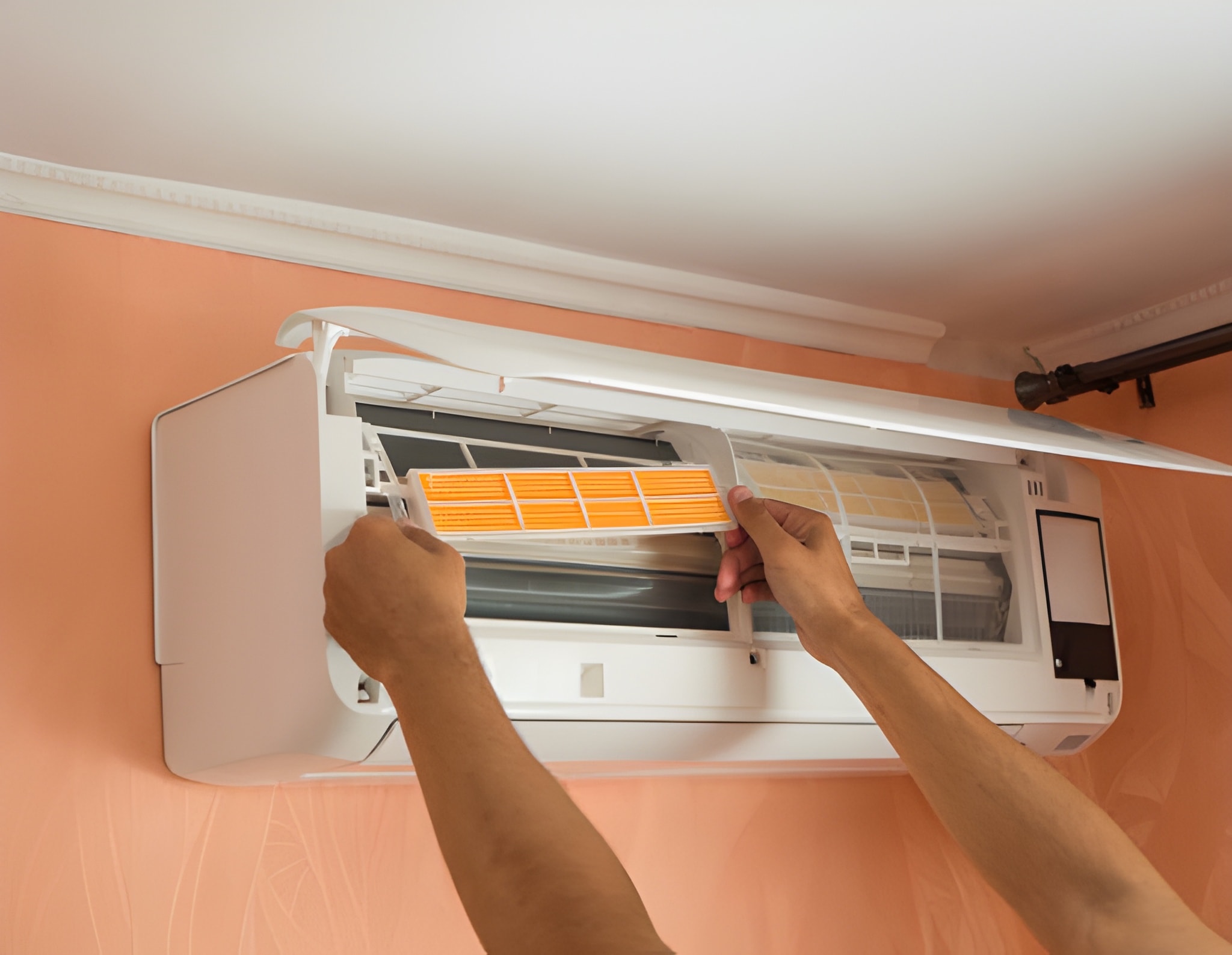
- Coil and filter cleaning: Remove and clean or replace washable filters; clean indoor evaporator and outdoor condenser coils to restore heat transfer.
- Drain line inspection and cleaning: Clear condensate traps and drains to prevent overflow, mold, and water damage.
- Refrigerant check: Measure refrigerant pressures and temperatures to identify leaks or incorrect charge; note that repairs for leaks require separate service.
- Electrical inspection: Tighten connections, inspect capacitors, contactors, fuses, and wiring for wear or corrosion.
- Fan and blower checks: Verify fan motor operation, clean blades, and adjust blower speeds for proper airflow.
- Thermostat and control verification: Calibrate controls, check wireless remotes or smart controllers, confirm setpoint accuracy and sensor alignment.
- Performance testing: Measure system temperature split, airflow, compressor amps, and overall efficiency to confirm performance against manufacturer expectations.
- Safety checks: Inspect for refrigerant odors, abnormal vibrations, or signs of electrical overheating.
- Maintenance recommendations: Provide clear, prioritized actions such as filter replacement frequency, parts likely to need attention soon, and environmental steps to reduce strain on the system.
Diagnostic and performance testing explained
During performance testing, technicians use simple, objective measures to determine whether the system is operating correctly. You’ll see tests such as:
- Temperature difference (Delta T) between air entering and leaving the indoor unit to verify cooling/heating capacity.
- Compressor amperage and voltage to ensure electrical health.
- Static pressure or airflow checks to detect blocked coils or ducting issues in multi-zone systems.
- Refrigerant pressure and superheat/subcooling readings to detect under or overcharging.
These tests establish a baseline. If results fall outside manufacturer ranges, the technician will recommend corrective repairs or adjustments and document findings so you can make informed decisions.
Benefits of seasonal tune-ups in Evansville
Scheduling tune-ups before peak seasons—late spring for cooling and early fall for heating—delivers the most value:
- Better comfort on the hottest Evansville days: Proper refrigerant charge and clean coils restore cooling capacity.
- Lower energy use: Well-tuned systems run less to achieve the same comfort, trimming monthly utility costs.
- Fewer emergency repairs: Preventive detection of worn components reduces mid-summer or mid-winter failures.
- Improved indoor air quality: Clean filters and coils remove pollen and particulate that are common in the region.
- Extended equipment life: Routine maintenance reduces wear on motors and compressors, postponing replacement.
Recommended maintenance schedule and service-plan options
For most Evansville homes, the recommended cadence is:
- Biannual tune-ups: One in spring (pre-cooling) and one in fall (pre-heating). Heat-pump mini splits especially benefit from a fall check to verify defrost cycles and heating performance.
- Filter checks: Inspect monthly; clean or replace every 1–3 months depending on usage, pets, and local pollen levels.
- Post-storm inspection: After heavy storms or flooding, inspect outdoor units for debris, water intrusion, and electrical safety.
Service-plan options commonly offer tiered levels of coverage such as single seasonal inspections, annual dual-season plans, or ongoing maintenance agreements that include prioritized scheduling and documentation of performance tests. Plans usually focus on preventive care and scheduled tune-ups rather than covering major repairs; review plan inclusions to ensure they align with your priorities.
Troubleshooting and when to schedule a tune-up
Schedule a tune-up if you notice any of the following signs:
- Rooms aren’t reaching set temperatures during normal operation.
- System makes new or unusually loud noises.
- There is visible moisture or leaks near indoor units.
- Energy bills spike without a clear reason.
- The unit runs constantly or cycles on and off rapidly.
Even without symptoms, follow the biannual schedule to prevent problems associated with Evansville’s climate, such as pollen buildup and high humidity stress.
What Our Clients
Say About Us
Our clients consistently praise our dedication and expertise. They appreciate our commitment to meeting their needs and providing sound advice, which has fostered long-lasting relationships.

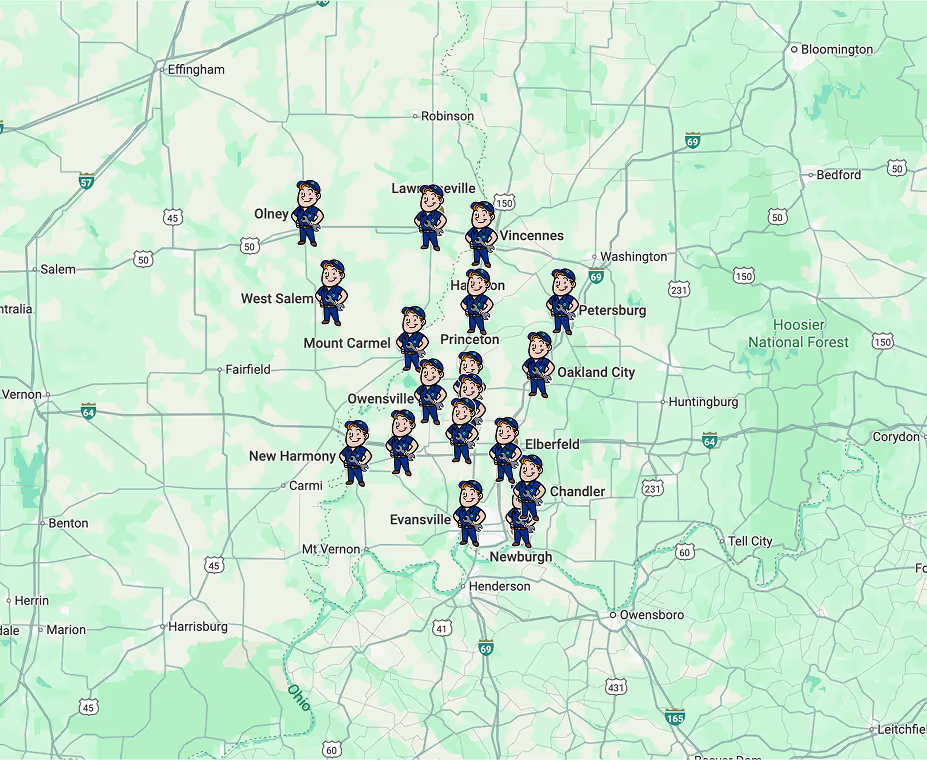
SERVICE AREAS
We proudly serve clients throughout our surrounding communities, delivering reliable service wherever you need us. No matter the location, our team is committed to the same high-quality results and responsive support.