
Tankless Water Heater in New Harmony, IN
Tankless water heater installation in New Harmony, IN, save energy, space, and enjoy endless hot water. Learn more for southern Indiana homes & small businesses

Tankless Water Heater in New Harmony, IN
Tankless (on-demand) water heaters are becoming a really popular upgrade for both homes and small businesses in New Harmony, IN. It makes sense, as everyone wants to cut down on energy waste, reclaim valuable utility room and basement space, and enjoy reliable hot water whenever they need it. Especially here in southern Indiana, where our cold winters demand a significant temperature rise for hot water, choosing the right tankless system is crucial. Perfect Climate Heating and Air helps you balance factors like flow rate, inlet water temperature, fuel type, and any installation constraints to ensure you get the perfect fit for your needs.
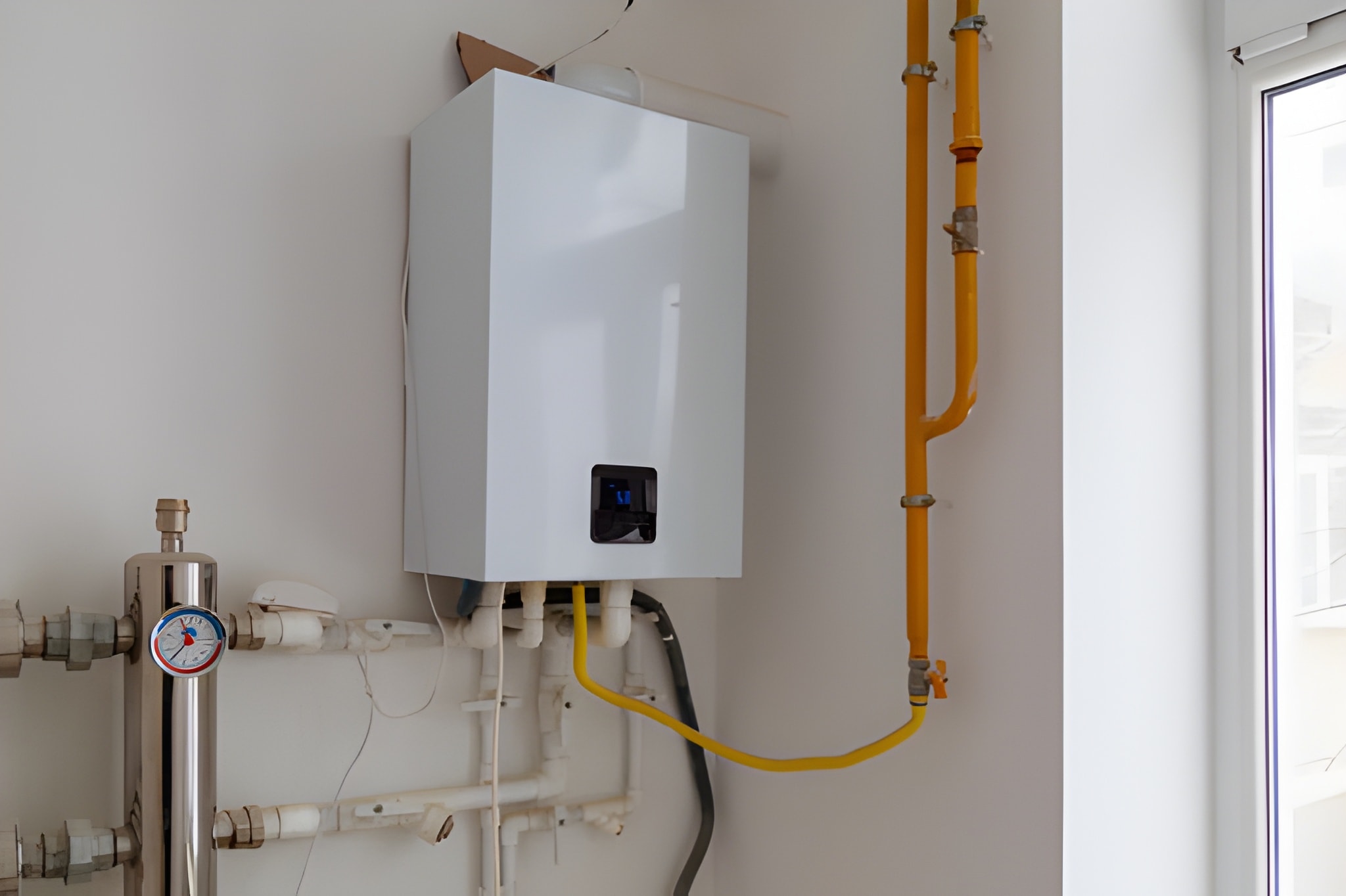
Why choose a tankless water heater?
- Energy savings: Tankless units eliminate standby heat loss from stored water. For households with moderate to intermittent hot water usage, that often translates to meaningful energy savings over time.
- Endless hot water: On-demand heating supplies continuous hot water for long showers or back-to-back uses, provided the unit is sized correctly.
- Space savings: Wall-mounted units free up floor space in basements, closets, or utility rooms—useful for older New Harmony homes with limited mechanical room space.
- Longer lifespan: Properly maintained tankless units typically last longer than tank systems, reducing replacement frequency.
Common tankless water heater issues and service types
- Poor flow or insufficient hot water during simultaneous demand
- Fluctuating outlet temperature (particularly in cold weather)
- Mineral scale buildup reducing heat transfer and efficiency
- Venting or condensation issues on high-efficiency gas units
- Electrical panel or gas line upgrades required for installation
- Service work commonly includes sizing consultation, new unit installation (gas or electric), gas line upsizing, venting and condensate work, electrical upgrades for electric units, and routine flushing/descaling.
Flow-rate and sizing: step-by-step
Proper sizing is the foundation of a functioning tankless system. Follow these steps:
- List simultaneous fixtures you expect to run (examples and typical flow rates):
- Shower: 1.5–2.5 GPM
- Kitchen sink: 1.0–1.5 GPM
- Dishwasher: 1.0–1.5 GPM
- Washing machine: 1.5–2.5 GPM
- Decide target outlet temperature (commonly 120°F for safety and comfort).
- Determine winter inlet (ground) water temperature. In New Harmony, groundwater can fall into the mid-40s°F during winter and into the 60s°F in summer—use the winter low for conservative sizing.
- Calculate required temperature rise: deltaT = target outlet − inlet temperature (for example 120°F − 45°F = 75°F).
- Add the GPM of simultaneous fixtures to get required flow (for example, two showers at 2.0 GPM each + dishwasher 1.5 GPM = 5.5 GPM).
- Convert to heating capacity: BTU/hr = GPM × deltaT × 500. Example: 5.5 GPM × 75°F × 500 = 206,250 BTU/hr. Choose a gas condensing unit or multiple units that can deliver that output at the required deltaT.
- For electric units, convert BTU/hr to kW by dividing by 3412 (kW = BTU/hr ÷ 3412) and confirm your electric service can supply that load.
This process ensures the selected unit can meet simultaneous demand even during New Harmony’s coldest inlet water conditions.
Gas vs. electric tankless: model comparison
- Gas (natural gas or propane):
- Pros: Higher peak output, better for larger homes or high simultaneous demand; lower operating cost per BTU in many cases.
- Cons: Requires proper venting (stainless or PVC for condensing units), combustion air, and possibly gas line upsizing; more complex installation.
- Pros: Higher peak output, better for larger homes or high simultaneous demand; lower operating cost per BTU in many cases.
- Electric:
- Pros: Simpler installation (no combustion venting), compact, quieter, and lower upfront equipment cost.
- Cons: High electrical load can require service panel upgrades (common for multi-point or high-flow needs); less capable of high flow at large temperature rises without significant kW capacity.
Fuel availability matters in New Harmony: many homes have natural gas, but some may use propane. If your home is on propane or has limited gas capacity, an electric unit or hybrid approach might be preferable.
Installation requirements and retrofitting in New Harmony homes
- Venting and condensate: High-efficiency gas units produce condensate that needs neutralization and drainage. Venting may run through exterior walls or roofs—historic homes may require creative routing.
- Gas line sizing: Long runs or older piping may need upsizing to maintain pressure for a high-output tankless unit.
- Electrical service: Electric tankless systems can require 18–36 kW of capacity, sometimes necessitating a 200A panel or subpanel upgrade.
- Location & freeze protection: Outdoor units are sometimes installed, but New Harmony winters can risk freeze damage; indoor installations with proper venting are often safer.
- Permits and inspections: Local codes will require permits, proper venting clearances, and combustion air provisions.
- Recirculation systems: If you want instant hot water at distant fixtures, tankless systems can be paired with a recirc loop or on-demand recirc pump—this affects sizing and control strategy.
Maintenance and descaling
- Why descaling is necessary: Southern Indiana frequently experiences moderate to high water hardness. Mineral scale reduces heat transfer and efficiency in tankless exchangers.
- Recommended frequency: Flush and descale every 6–12 months for hard water or high-use households. In softer water or low-use homes, annual service may suffice.
- What service includes: Flushing the unit with a pump and descaling solution (or white vinegar for DIY), inspecting filters and screens, checking venting, and testing gas pressure or electrical connections.
- Water treatment options: Installing a whole-house water softener or a scale-inhibition system can greatly extend intervals between descale services and protect the heat exchanger.
Expected lifespan and warranties
- Typical lifespan: Tankless water heaters last roughly 15–20 years with proper maintenance—often longer than traditional tanks.
- Common warranty ranges: Heat exchanger warranties commonly range from 5 to 15 years depending on model and manufacturer; parts warranties typically run 1–5 years.
- Regular maintenance preserves warranty coverage and extends equipment life.
Cost/benefit analysis vs. tanked systems
- Upfront cost: Tankless units and their installation (venting, gas or electrical upgrades) are usually more expensive up front than conventional tank water heaters.
- Operating cost: Tankless may reduce energy usage by eliminating standby losses. Depending on household habits, fuel costs, and local rates, home owners can see meaningful lifetime savings—often in the 20%–35% range compared with older tank units, though results vary.
- Lifecycle value: Longer lifespan and reduced replacement frequency offset higher initial investment for many homeowners.
- Best value scenarios: Homes with moderate-to-high hot water usage, long-term owners who want space savings, and settings where tank storage space is limited will often realize the best return.
Recommended applications for New Harmony homes and businesses
- Single-family homes: Ideal when sized correctly for simultaneous demand—especially in homes replacing a failing tank or reclaiming space.
- Historic or small homes: Wall-mounted electric or compact gas units free up limited mechanical space.
- Businesses and commercial use: Restaurants, salons, and lodging require commercial-grade units or parallel multiple units sized for peak demand. Commercial installations involve additional code and permitting considerations.
- Remote buildings and outbuildings: Point-of-use electric tankless units are an efficient option for garages and workshops if electrical capacity allows.
What Our Clients
Say About Us
Our clients consistently praise our dedication and expertise. They appreciate our commitment to meeting their needs and providing sound advice, which has fostered long-lasting relationships.

SERVICE AREAS
We proudly serve clients throughout our surrounding communities, delivering reliable service wherever you need us. No matter the location, our team is committed to the same high-quality results and responsive support.