Furnace Replacement in Vincennes, IN
Furnace Replacement in Vincennes, IN: Learn how to select and install a high-efficiency furnace for comfort and energy savings. Learn more.

Furnace Replacement in Vincennes, IN
Having a dependable furnace isn't just a luxury; it's absolutely essential for homes in Vincennes, especially with our cold Indiana winters where heating truly isn't optional. If your current system is getting old, constantly breaking down, or simply costing more to operate than it used to, a professional furnace replacement from Perfect Climate Heating and Air can make a huge difference. We can help you restore comfort, significantly improve your indoor air quality, and bring down those long-term energy costs.
.jpeg)
Why furnace replacement matters in Vincennes, IN
Vincennes experiences cold, damp winters with occasional subfreezing stretches. Older furnaces lose efficiency, strain under extended heating seasons, and may not provide consistent warmth throughout the house. Replacing an inefficient or failing furnace can:
- Improve comfort during long heating periods
- Lower monthly energy usage when upgrading to high-efficiency models
- Reduce the risk of mid-winter breakdowns and safety hazards
- Improve indoor air circulation and humidity control when paired with updated controls and ductwork work
Common furnace issues in Vincennes homes
Homeowners commonly seek replacement when they notice:
- Repeated repairs and rising service frequency
- Uneven heating or cold rooms
- Increased gas or electric bills compared with previous years
- Excessive cycling, loud operation, or visible rust and corrosion
- Safety concerns such as failed safety switches or suspected carbon monoxide issues
How technicians assess system age and performance
A thorough evaluation determines whether replacement is the best option:
- Visual inspection of the furnace cabinet, burners, heat exchanger, and controls for corrosion, cracks, or wear
- Review of service history and estimated system age (heat exchangers and major components approaching 15–20 years are common replacement candidates)
- Combustion analysis and carbon monoxide testing to verify safe operation
- Airflow and duct leakage checks to quantify distribution problems
- Energy-use comparison based on current efficiency (AFUE rating) versus modern units
- Manual J load calculation to establish accurate sizing needs based on home insulation, windows, orientation, and local climate factors
Choosing the right replacement: sizing and efficiency
Picking the correct furnace is about matching capacity to your home, not picking the biggest unit. Key considerations:
Proper sizing: A Manual J load calculation determines the required BTU output. Oversized units cycle excessively and reduce comfort; undersized units run continuously and fail to keep up.
Efficiency (AFUE): Furnaces range from standard-efficiency to high-efficiency condensing models. Higher AFUE ratings use fuel more effectively, translating to lower energy bills over time—especially valuable during Vincennes’ prolonged heating months.
Staging and modulation:
- Single-stage: Simple on/off operation; lower upfront cost
- Two-stage: Better temperature control and improved efficiency for typical winter loads
- Modulating/variable-speed: Best comfort and energy savings by precisely adjusting output and blower speed
- Blower motor type: ECM/variable-speed blowers improve airflow, reduce noise, and enhance whole-home comfort and air filtration
- Venting and combustion air: High-efficiency condensing furnaces require PVC venting and a condensate drain; older chimneys or vent systems may need modification
- Fuel type and alternatives: Natural gas is common, but propane or heat-pump options may be considered depending on home setup and long-term efficiency goals
Estimated energy savings: Replacing a very old furnace with a modern high-efficiency unit often reduces heating energy consumption by a substantial percentage. Actual savings depend on existing system efficiency, local fuel prices, the new unit’s AFUE, and household heating habits.
The furnace replacement process (what to expect)
A professional replacement follows a clear, safety-focused sequence:
- Site assessment and load calculation to confirm the proper model and capacity
- Review of ductwork, venting, and combustion air needs; identify any upgrades required
- Permitting and code compliance checks where applicable
- Safe removal and disposal of the old furnace and associated materials
- Preparation of installation area: framing, vent modification, condensate trapping (if needed), and gas/electrical hookups
- Professional installation of the new furnace, including gas line connection and electrical work
- Safety checks and testing: combustion analysis, carbon monoxide test, leak checks, vent performance, and airflow balancing
- Thermostat programming, homeowner orientation on operation and maintenance, and warranty paperwork or registration
- Final inspection to confirm performance and compliance
Technicians will also note if additional work is needed to optimize performance—duct sealing, insulation improvements, or thermostat upgrades—which can affect overall outcomes and long-term savings.
Financing, rebates, warranties, and maintenance plans
Financing and incentives can make upgrading more accessible. Options commonly available include:
- Manufacturer rebates or seasonal promotions for high-efficiency models
- Local or state energy-efficiency programs and utility rebates for certain qualifying equipment
- Flexible financing programs through third-party lenders or in-house plans
Warranty coverage typically includes manufacturer parts and may offer optional labor coverage through extended plans. Enrolling in a routine maintenance plan preserves warranty eligibility in many cases and reduces the likelihood of premature failures. Regular tune-ups—filter changes, combustion checks, and safety inspections—are especially important in Vincennes’ extended heating season.
Timeline and the variables that affect it
Typical timelines:
- Site assessment and sizing visit: a single appointment, usually 1–2 hours
- Standard replacement: commonly completed in a single workday when it is a like-for-like swap and duct/venting work is minimal
- Complex installs: may require multiple visits if ductwork, venting, permits, or structural changes are needed
Factors that influence timeline include permit turnaround, required duct or vent upgrades, accessibility of the equipment, and whether gas or electrical service upgrades are necessary.
Long-term benefits and maintenance tips
Upgrading your furnace brings immediate comfort improvements and long-term financial benefits:
- More consistent indoor temperatures and quieter operation
- Better energy efficiency and lower fuel consumption during Vincennes’ long heating season
- Reduced repair calls and improved system reliability
- Enhanced indoor air quality when paired with proper filtration and duct sealing
Maintenance tips to protect your investment:
- Change filters on schedule and use the recommended filter type
- Enroll in seasonal tune-up services to catch issues early and maintain warranty coverage
- Keep supply vents and returns clear of obstructions
- Monitor indoor humidity in winter to reduce discomfort and protect home materials
A properly selected and professionally installed furnace tailored to your Vincennes home provides dependable warmth, improved efficiency, and peace of mind through the cold season.
What Our Clients
Say About Us
Our clients consistently praise our dedication and expertise. They appreciate our commitment to meeting their needs and providing sound advice, which has fostered long-lasting relationships.

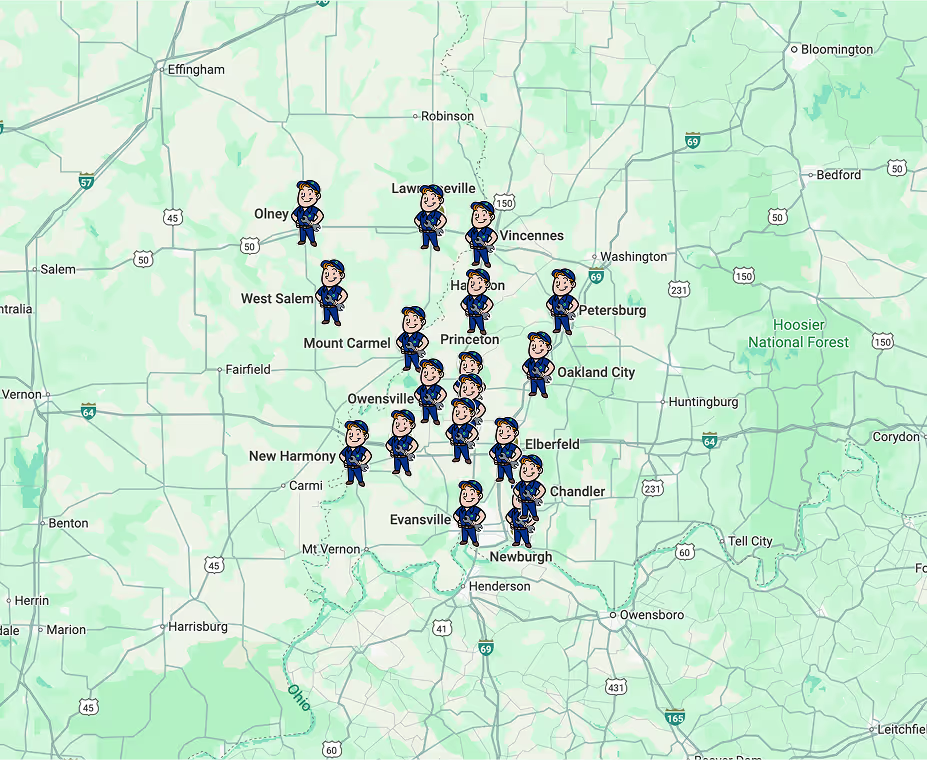
SERVICE AREAS
We proudly serve clients throughout our surrounding communities, delivering reliable service wherever you need us. No matter the location, our team is committed to the same high-quality results and responsive support.