Heating Installation in West Salem, IL
Heating installation in West Salem, IL delivers accurate sizing, high-efficiency options, and thorough commissioning. Learn more today and save.

Heating Installation in West Salem, IL
Here in West Salem, IL, a well-planned and professionally installed heating system is what truly keeps your home warm and cozy through those cold winters, all while keeping your energy bills in check and significantly lowering the risk of unexpected breakdowns. Whether you're dealing with a furnace that's seen better days, considering a switch to an efficient heat pump, or looking to install a brand-new high-efficiency system for the very first time, a professional installation is key. At Perfect Climate Heating and Air, we ensure every project starts with precise sizing and concludes with thorough testing, guaranteeing your system is perfectly tuned and ready to perform when you need it most.
-min.jpeg)
Common heating system types for West Salem homes
- Gas furnaces (natural gas or propane): Common in many area homes. Modern high-efficiency furnaces offer AFUE ratings of 90% and above and fast, powerful heat for cold nights.
- Electric furnaces / resistance heaters: Simpler and lower upfront cost, but higher operating costs in winter—suitable where gas or heat pumps are not practical.
- Air-source heat pumps (including cold-climate models): Increasingly practical in southern Illinois climates. Deliver both heating and cooling with strong efficiency; cold-climate models maintain capacity in lower temperatures.
- Ductless mini-splits: Ideal for additions, older homes without ductwork, or zoning applications where room-by-room control matters.
- Hybrid systems: Pairing a heat pump with a gas furnace gives both efficiency and guaranteed backup heat during extreme cold.
Common heating installation issues in West Salem, IL
- Undersized or oversized equipment due to informal estimates, leading to short cycling or inadequate comfort.
- Poor or leaky ductwork in older homes, which erodes efficiency and comfort.
- Inadequate insulation or air leakage in older houses, increasing load and runtime.
- Fuel-choice complications: some rural properties rely on propane or oil which affects equipment selection and installation needs.
- Accessibility constraints in basements, closets, or attics that complicate equipment removal and placement.
Site assessment and load calculation
A reliable installation begins with a detailed site assessment and a formal load calculation (Manual J). This process includes:
- Measuring conditioned space, ceiling heights, insulation levels, window types, and air infiltration.
- Evaluating existing ductwork (Manual D) for sizing, leakage, and airflow restrictions.
- Reviewing existing electrical capacity and fuel supply (gas line sizing, propane tank location, or electric panel limits).
- Considering local climate and usage patterns in West Salem—long winter nights and temperature swings influence equipment sizing and choice.
Accurate sizing prevents common problems such as short cycling, uneven heating, and excessive energy use. Once the load is determined, technicians use equipment performance data (Manual S) to select the model that matches your home’s needs.
Equipment selection: features that matter
When choosing a new system, focus on features that impact comfort and cost:
- Efficiency ratings: AFUE for furnaces and HSPF/SEER for heat pumps. Higher ratings reduce operating costs but come with higher upfront investment.
- Variable-speed or multi-stage operation: Provides gentler, more consistent comfort and lower electricity spikes.
- Modulating gas valves: More precise heat output, improved comfort, and efficiency.
- Quality thermostats and zoning controls: Smart or programmable thermostats and zoning can cut energy use while delivering customized comfort.
- Proper refrigerant charge and matched components: For heat pump systems, matched indoor and outdoor components ensure rated performance.
Typical installation steps and timeline
A well-managed installation follows predictable stages. Typical timeline for a standard replacement or new install is 1–4 days depending on complexity:
- Pre-install assessment and final equipment selection
- Permit submission and scheduling (timelines vary by jurisdiction)
- On-site removal of old equipment and safe disposal
- Installation of new unit(s), duct modifications, electrical and gas connections
- System commissioning: airflow balancing, refrigerant check, combustion testing (if applicable)
- Safety checks (carbon monoxide, gas leak tests), homeowner orientation, and documentation
Complex installs (duct redesign, fuel conversions, additional electrical work) may extend timing.
Permitting and code compliance in West Salem
Heating installations require permits and inspections to meet building and safety codes. Typical requirements include:
- Mechanical and gas permits for new furnaces or heat pumps
- Combustion air and venting standards for fuel-fired appliances
- Proper flue and chimney clearances or direct-vent configurations
- Electrical permits for new circuits or disconnects
- Compliance with local energy codes and manufacturer installation requirements
Your installer should prepare permit paperwork and coordinate inspections with the local authority having jurisdiction to ensure the system passes final inspection.
Energy efficiency and cost-savings
Upgrading to a high-efficiency furnace or heat pump can significantly reduce winter energy bills—especially when paired with home efficiency improvements:
- Seal and insulate ducts to prevent 20% or more distribution losses common in older homes.
- Add or improve insulation and weatherstripping to reduce load and shorten runtime.
- Use programmable or smart thermostats to avoid heating unoccupied rooms.
- Consider zoning or multi-head mini-splits for targeted comfort and efficiency.
- Compare lifecycle costs: higher-efficiency equipment often pays back through lower operating costs over time.
In West Salem, where winters are heating-dominant, investing in efficiency and proper sizing typically yields noticeable comfort and budget benefits.
Financing and rebates
Financing solutions and rebates often exist to make higher-efficiency systems more affordable. Potential options include:
- Contractor or manufacturer financing plans
- Utility or local energy-efficiency rebates for qualifying high-efficiency furnaces and heat pumps
- Federal or state tax credits for certain energy-saving HVAC equipment (program availability and eligibility can change)
- Manufacturer rebates for specific models
Documentation of equipment specifications, efficiency ratings, and installation details is usually required when applying for rebates or tax incentives.
Post-installation testing, warranty, and maintenance
A professional installation concludes with thorough testing and documentation:
- Combustion analysis and CO testing for fuel-fired systems
- Leak and pressure testing of gas lines
- Refrigerant charge and performance verification for heat pumps
- Airflow measurements, static pressure checks, and temperature split readings
- System commissioning report, operating instructions, and warranty registration
Understand the warranty terms: manufacturers generally cover parts for a specified period and some offer limited labor warranties; extended protection plans may be available. Regular annual maintenance preserves efficiency, protects warranties, and extends equipment life.
What Our Clients
Say About Us
Our clients consistently praise our dedication and expertise. They appreciate our commitment to meeting their needs and providing sound advice, which has fostered long-lasting relationships.

SERVICE AREAS
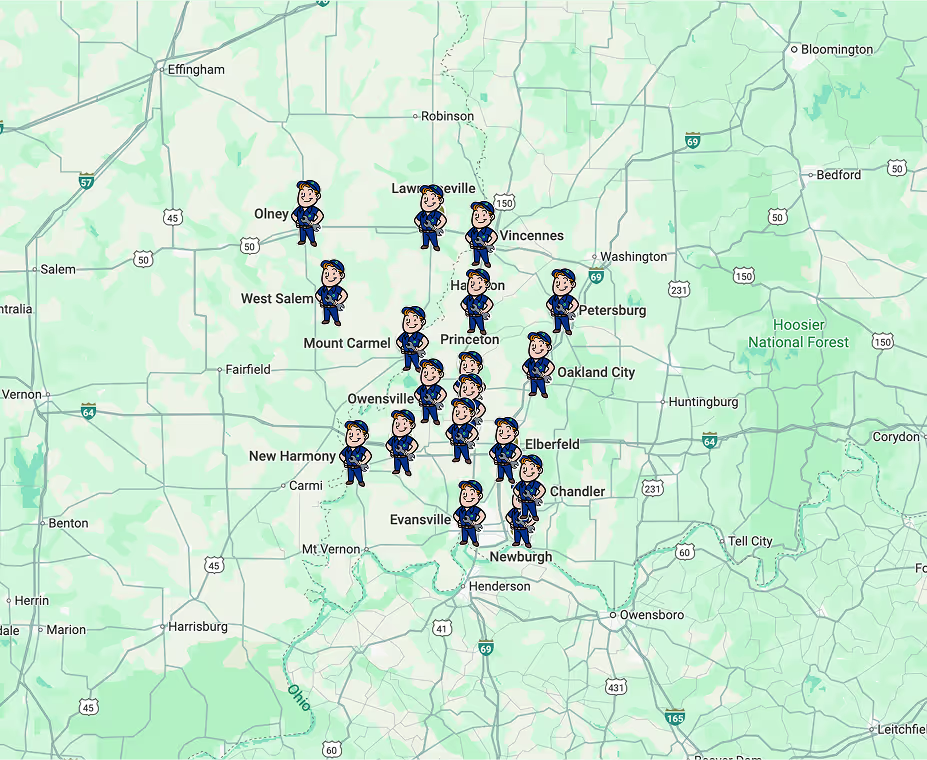
We proudly serve clients throughout our surrounding communities, delivering reliable service wherever you need us. No matter the location, our team is committed to the same high-quality results and responsive support.