Heating Repair in West Salem, IL
Heating repair in West Salem, IL - 24/7 emergency service, on-site diagnostics, transparent warranties, and fast, reliable fixes. Learn more.

Heating Repair in West Salem, IL
When your heating system calls it quits in West Salem, IL, you need straight answers and dependable repairs, and you need them quickly. Southern Illinois winters are notorious for their long cold snaps and constant freeze-thaw cycles, which really put a strain on furnaces, boilers, and heat pumps. That's why getting timely heating repair isn't just important—it's absolutely critical to ensure your home stays safe, comfortable, and energy-efficient. Perfect Climate Heating and Air is here to provide the fast, expert service you need when the unexpected happens.
.jpeg)
Common heating problems and telltale symptoms
West Salem homes commonly use gas furnaces, boilers, and heat pumps. These systems show predictable failure patterns:
- No heat or insufficient heat
- Furnace or heat pump runs but house stays cold
- Uneven temperatures between rooms
- Short cycling
- Unit turns on and off rapidly, often due to clogged filters, oversized equipment, or faulty controls
- Strange noises
- Banging, rattling, squealing, or rumbling can indicate failing motors, loose components, or combustion issues
- Pilot light or ignition failures
- Yellow or flickering flame, frequent lockouts, or inability to light the burner
- Poor airflow
- Weak vents, clogged ductwork, blocked returns, or failing blower motors
- High energy bills
- System runs longer than usual because of reduced efficiency, worn parts, or duct leaks
- Frequent cycling of electric backup or defrost on heat pumps
- Common during harsh cold snaps and signals refrigerant, control, or compressor issues
- Unusual smells
- Burning odors (electrical), rotten egg smell (gas leak), or musty odors (mold in ducts)
- Carbon monoxide concerns
- Stains, soot, or symptoms among occupants demand immediate attention
How we diagnose heating issues on-site
A systematic on-site inspection quickly isolates the root cause so repairs fix the problem, not just the symptom.
- Visual and safety check
- Inspect furnace/boiler/heat pump, vents, flue, and combustion chamber for obvious hazards and safety risks.
- Operational testing
- Run system through a full cycle while monitoring thermostat commands, airflow, and startup behavior.
- Electrical and control checks
- Test transformers, control boards, relays, and thermostats for proper signals and voltage.
- Combustion and ventilation testing (gas systems)
- Verify correct flame, venting, and CO levels using field instruments.
- Refrigerant and pressure checks (heat pumps)
- Measure pressures, temperatures, and compressor performance.
- Ductwork and airflow diagnostics
- Measure static pressure and airflow; inspect ducts for leaks, blockages, or damaged insulation.
A clear diagnostic report explains findings, repair options, estimated time, and parts required so you can make an informed decision.
Fault isolation and repair process
Once the fault is identified, repairs follow a prioritized, safety-first approach.
- Isolate the fault
- Turn off unsafe components, secure gas/electrical supplies if needed, and document the failed items.
- Estimate parts and labor
- Confirm OEM or approved replacement parts; provide transparency on refurbished vs new parts when relevant.
- On-site repair or staged replacement
- Perform repairs on-site when possible. For more complex failures, arrange a quick parts order and schedule a follow-up visit.
- Quality checks
- After repair, run the system through multiple cycles to confirm proper operation and efficiency.
- Cleanup and documentation
- Leave the area clean and provide a repair summary including parts used, serial numbers, and recommended follow-up.
Typical repairs include control board replacement, thermocouple/ignitor replacement, blower motor service, heat exchanger or flue repairs, refrigerant recharge, and part swaps for valves, pumps, and compressors.
24/7 emergency repair availability and expected response times in West Salem, IL
Heating emergencies can threaten comfort and safety during West Salem cold spells. Emergency repair coverage is available around the clock. Typical response expectations for rural West Salem:
- Emergency calls (no heat, carbon monoxide, gas odors)
- Response within 1 to 4 hours depending on time of day, road conditions, and technician availability.
- Urgent but non-life-threatening issues
- Same-day service when possible; often within 4 to 12 hours.
- Routine repairs and diagnostics
- Scheduled visits within 24 to 72 hours depending on workload and parts availability.
Severe weather, road conditions, and parts sourcing can extend response times. Technicians prioritize safety risks such as CO leaks and gas odors.
Warranty and part-replacement policies you should expect
Standard industry practices help protect you after a repair:
- Parts warranty
- Manufacturer parts typically carry their own warranty (commonly 1 to 10 years depending on part and brand). Service providers often pass through manufacturer warranties when OEM parts are used.
- Labor or workmanship warranty
- Most reputable services offer a limited labor warranty on repairs (commonly 30 to 180 days). This covers issues directly related to the completed repair.
- Replacement part options
- OEM new parts are preferred for longevity and warranty alignment. In some cases, high-quality aftermarket parts are used with disclosure.
- Warranty on replaced components
- Expect documentation stating which warranties apply, start dates, and any conditions (such as required maintenance).
- Warranty limitations
- Warranties typically exclude preexisting conditions, damage due to lack of maintenance, or failures due to unrelated system components.
Always request written warranty details before work begins so you know what is covered and for how long.
Tips to prevent future breakdowns in West Salem homes
Routine care reduces emergency repairs and keeps systems efficient through Illinois winters.
- Schedule annual heating tune-ups before the heating season.
- Replace furnace filters every 1 to 3 months; use the correct MERV rating for your system.
- Keep vents and returns unobstructed; balance rooms if you have persistent hot or cold spots.
- Clear outdoor units of snow, ice, and debris; protect heat pump coils in winter when possible.
- Install a programmable or smart thermostat to reduce run-time and stress during extreme temperatures.
- Ensure proper venting and carbon monoxide detectors are in working order.
- Address small issues early—unusual noises, smells, or higher bills are early warning signs.
What Our Clients
Say About Us
Our clients consistently praise our dedication and expertise. They appreciate our commitment to meeting their needs and providing sound advice, which has fostered long-lasting relationships.

SERVICE AREAS
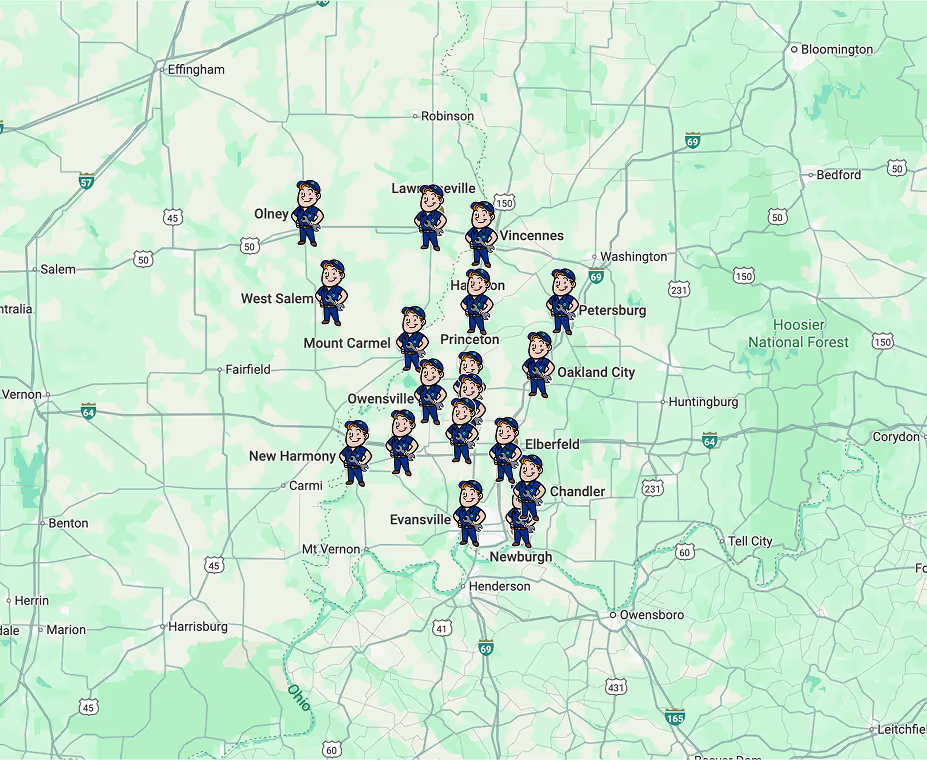
We proudly serve clients throughout our surrounding communities, delivering reliable service wherever you need us. No matter the location, our team is committed to the same high-quality results and responsive support.