Air Duct Cleaning in Lawrenceville, IL
Air Duct Cleaning in Lawrenceville, IL: professional cleaning and sealing to improve indoor air quality and HVAC efficiency. Learn more.

Air Duct Cleaning in Lawrenceville, IL
For homeowners in Lawrenceville, IL, creating a comfortable and healthy living space really starts with clean, well-sealed ductwork. Over time, your ducts can accumulate all sorts of unwanted guests – dust, pollen, pet dander, and even moisture-related contaminants. Our professional air duct cleaning and sealing services at Perfect Climate Heating and Air meticulously remove this buildup. If you’re battling seasonal allergies, dealing with high summer humidity, or noticing agricultural dust (common in our region), or if your home has an older duct system, targeted duct cleaning can make a huge difference. You'll enjoy improved indoor air quality, better system performance, and even extend the life of your HVAC unit. We’re here to help keep your air fresh and clean!
.jpeg)
Common air duct problems in Lawrenceville, IL homes
- Accumulated dust and pollen from nearby fields and trees, especially in spring and late summer.
- Pet hair and dander that builds up quickly in homes with multiple animals.
- Mold and musty odors in ductwork due to high summer humidity or condensation on cooling coils.
- Construction or remodeling debris lodged in vents after renovations.
- Pest droppings or nesting material in less-sealed attic or crawlspace ducts.
- Disconnected or leaky duct joints that draw in unconditioned air and contaminants.
Understanding these common issues helps set realistic expectations for what professional cleaning and sealing can accomplish.
Inspection and assessment process
A proper service starts with a systematic inspection and assessment to identify problem areas and determine the scope of work:
- Visual inspection of registers, supply and return grilles, visible duct runs, and the air handler.
- Use of cameras or borescopes to evaluate concealed ducts and locate mold colonies, blockages, or pest evidence.
- Measurement of airflow and static pressure to evaluate restrictions or leaks affecting system efficiency.
- Inspection of drain pans, coils, and filter housing to identify sources of contamination.
- Documentation of findings with photos and a prioritized service plan.
This diagnostic step ensures cleaning targets the real sources of contamination and that any sealing or repairs address root causes.
Cleaning methods and equipment
Professional duct cleaning uses a combination of agitation, negative pressure, and capture to remove contaminants without scattering them through the home:
- High-efficiency vacuum systems with HEPA filtration create negative pressure at a central access point to capture dislodged dust.
- Agitation tools (rotary brushes, air whips, compressed air nozzles) loosen accumulated debris from duct walls.
- Manual cleaning of registers, grilles, and accessible plenums for visible buildup.
- Coil and drain pan cleaning as part of a comprehensive service to prevent recontamination.
- Optional sanitizing or fogging when active mold is present, applied selectively and explained beforehand.
- Duct sealing using mastic or foil-backed tape for localized repairs, or aerosol-based sealing for comprehensive hidden leaks.
Technicians pair the right tools to duct material and layout (flexible vs metal), minimizing disruption and protecting finished surfaces.
Expected results and before/after expectations
After professional cleaning and sealing, Lawrenceville homeowners typically notice:
- Reduced visible dust on furniture and registers and fewer dust-laden airflow from vents.
- Improved airflow and more consistent room temperatures as leaks and restrictions are corrected.
- Reduced odors and less mustiness when mold or moisture sources are addressed.
- Cleaner HVAC components (coils, blower wheel), which supports better system efficiency and quieter operation.
- Documentation of work performed, including before/after photos and a summary of repairs or recommendations.
It is important to set realistic expectations: cleaning reduces in-duct contaminants and improves system performance but does not eliminate outdoor pollution or all allergy triggers. Ongoing filtration and source control are part of a complete solution.
Pricing considerations (what affects cost)
Costs vary based on several objective factors rather than arbitrary rates:
- Home size and the total linear feet of ductwork to be cleaned.
- Number of supply and return registers and ease of access.
- Level and type of contamination (heavy mold, nesting materials, or construction debris require more labor).
- Duct construction and layout complexity (multiple zones, tightly packed joists, or hard-to-reach attic/crawlspace runs).
- Additional services requested or required: coil cleaning, drain line service, duct sealing, or mold remediation.
- Local market conditions and seasonality affecting technician availability.
Understanding these factors helps homeowners compare quotes and evaluate what’s included rather than focusing only on price.
Recommended follow-up maintenance and filter schedules
Maintaining results after cleaning preserves indoor air quality and HVAC efficiency:
- Typical cleaning interval: every 3 to 5 years for many homes. Shorten to annually for households with smokers, multiple pets, severe allergies, recent renovations, or ongoing moisture issues.
- Filter guidance: 1-inch disposable filters should be checked monthly and replaced every 30 to 90 days depending on use and contamination levels. Higher-capacity 4-inch or pleated filters may last 6 to 12 months but should be checked seasonally.
- Choose filters with appropriate MERV ratings for your family’s needs: higher MERV captures smaller particles but can increase static pressure—ensure compatibility with your system.
- Combine cleaning with routine HVAC maintenance: coil and blower cleaning, thermostat calibration, and biannual tune-ups (cooling before summer, heating before winter) improve longevity and efficiency.
- Simple homeowner practices: keep registers unobstructed, control indoor humidity (aim for 30–50 percent), clean or vacuum near vents with a HEPA-equipped vacuum, and limit indoor smoking and open burning to reduce soot.
Regular inspections, seasonal system tune-ups, and disciplined filter changes help sustain the benefits of professional duct cleaning.
Why duct cleaning and sealing matter in Lawrenceville, IL
Lawrenceville’s seasonal pollen, regional agricultural dust, and summer humidity create conditions where ducts can accumulate contaminants that affect comfort and health. Professional air duct cleaning combined with targeted sealing addresses both the symptom (dirty ducts) and the cause (leaks, moisture, or poor filtration). The result is cleaner indoor air, improved HVAC efficiency, and a more comfortable, consistent indoor environment through the year.
What Our Clients
Say About Us
Our clients consistently praise our dedication and expertise. They appreciate our commitment to meeting their needs and providing sound advice, which has fostered long-lasting relationships.

SERVICE AREAS
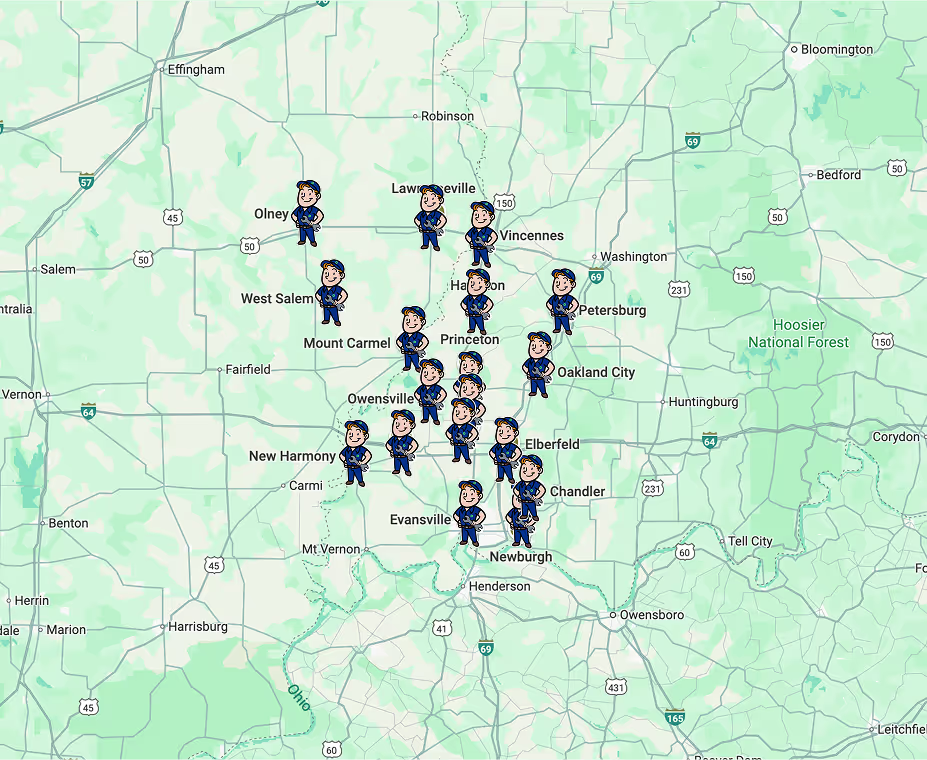
We proudly serve clients throughout our surrounding communities, delivering reliable service wherever you need us. No matter the location, our team is committed to the same high-quality results and responsive support.