Mini Split Repair in Fort Branch, IN
Mini Split Repair Fort Branch, IN: Quick, reliable service to restore comfort and efficiency. Contact us now for expert diagnostics and same-day options.

Mini Split Repair in Fort Branch, IN
For homes and small businesses in Fort Branch, IN, mini split systems are a really popular and incredibly efficient choice. Given our hot, humid summers and chilly winters, folks here truly depend on their ductless mini splits for consistent, year-round comfort and precise temperature control in different areas. So, when your mini split starts acting up – whether it's giving you less cooling or heating, making odd noises, or leaking water where it shouldn't – you need a quick, accurate repair. That's where Perfect Climate Heating and Air comes in. Our prompt service helps restore your indoor comfort, cuts down on wasted energy, and prevents those smaller issues from turning into much more expensive failures down the road. We're committed to keeping your home perfectly comfortable.
.jpeg)
Common Mini Split failure modes in Fort Branch, IN
Understanding common problems helps homeowners recognize when professional repair is needed. Frequent issues seen in Fort Branch homes include:
- Loss of cooling or heating — often caused by low refrigerant, blocked airflow, or failing compressors.
- Refrigerant leaks — small leaks worsen over time, causing reduced capacity and potential environmental harm.
- Electrical faults — burned fuses, tripped breakers, damaged control boards, or loose wiring from seasonal power fluctuations.
- Compressor or fan failures — noisy or non-starting compressors and indoor/outdoor fan motors.
- Clogged condensate drains or frozen evaporator coils — common during humid summers when drain lines get blocked.
- Sensor or thermostat faults — incorrect temperature readings lead to short-cycling or poor comfort.
- Communication errors between indoor and outdoor units — wiring or PCB issues cause loss of coordination in multi-zone setups.
Local factors that increase these failure modes: Fort Branch’s agricultural dust and pollen can load filters and outdoor coils quickly, and rural power variations can stress electrical components over time.
How technicians diagnose Mini Split problems
Professional diagnosis follows a systematic process so repairs are efficient and accurate:
- Initial inspection — visual check of indoor and outdoor units for debris, frozen coils, water leaks, or obvious damage.
- Control and error-code review — read diagnostic codes from the indoor display or service port to narrow root causes.
- Electrical testing — verify voltage, continuity, and integrity of fuses, breakers, contactors, and control boards.
- Refrigerant pressure check and leak detection — measure pressures, compare to manufacturer specs, and use electronic detectors or dye to locate leaks.
- Airflow and ductless distribution check — inspect filters, blower motors, and vanes for proper operation and obstructions.
- Compressor and fan performance testing — observe startup behavior, amperage draw, and noise to determine motor or compressor health.
- Condensate and drainage evaluation — ensure drain lines and pans are clear, and float switches function correctly.
Technicians in the Fort Branch area often include a check for outdoor debris and rodent or insect damage to wiring, common in rural and semi-rural properties.
Typical repair procedures and parts replacement
Repair actions are tailored to the diagnosed fault. Common procedures include:
- Refrigerant leak repair and recharge — locate and repair leaks (brazing or replacement of lines), evacuate, then recharge to proper levels following manufacturer specs.
- Electrical repairs — replace blown fuses, relays, contactors, or damaged control boards; tighten or replace worn wiring and terminals.
- Compressor or motor replacement — replace failing compressors, outdoor fan motors, or indoor blower motors when diagnostics show irreversible damage.
- Component replacement — swap failing reversing valves, expansion devices, thermostats, sensors, capacitors, and circuit boards.
- Drain cleaning and condensate pump service — clear blockages, replace pumps, and sanitize drain pans to prevent overflow.
- Coil cleaning and filter replacement — restore heat-exchange efficiency by cleaning coils and replacing or upgrading filters.
- Communication wiring and PCB repair — repair or replace control wiring and printed circuit boards to restore system coordination.
Technicians will always explain recommended parts, expected lifespan, and why a particular repair is necessary versus replacement.
Emergency and after-hours response
Mini split failures can leave rooms uncomfortable or even create water damage. Many service providers offer emergency after-hours response to address:
- Flooding or condensate overflow risks
- Complete loss of heating during colder months
- Dangerous electrical issues or unusual burning smells
- Emergency responders focus first on safety (isolating power, stopping leaks) and temporary stabilization, followed by full diagnostics during normal service hours. In rural areas like Fort Branch, response time can be affected by distance and weather, so technicians will prioritize safety containment for urgent calls.
Estimates, pricing factors, and transparent repair options
Estimate practices aim to be transparent without surprises. Typical factors that shape an estimate:
- Extent of diagnostics required and whether leak searches or pressurization tests are necessary
- Parts required (manufacturer-specific components cost more than standard motors or pumps)
- Labor complexity (multi-zone systems, concealed line sets, or difficult outdoor access increase labor)
- System age and availability of replacement parts
- Warranty coverage that may reduce out-of-pocket cost
- Estimates commonly include a breakdown of parts, labor, and any trip or diagnostic charges. For Fort Branch homeowners, technicians account for travel time and local permitting or disposal requirements if components are replaced.
Warranty handling and documentation
Warranties vary: manufacturer parts warranties, compressor warranties, and service guarantees. Proper warranty handling typically requires:
- Confirming model and serial numbers and purchase or installation dates
- Providing maintenance history and proof of regular service if required by the manufacturer
- Submitting authorized repair receipts and diagnostic records
- Technicians can assist by documenting failure findings, completing claim forms, and coordinating authorized part replacements. Be aware that older systems or units with improper field repairs may be excluded from warranty coverage.
Troubleshooting tips for Fort Branch homeowners
You can take a few safe steps to identify simple issues before scheduling repair:
- Check power and settings: Verify breakers, fuses, and that the unit is set to the correct mode and temperature.
- Replace or clean filters: Dirty filters reduce airflow and efficiency — inspect monthly during heavy use seasons.
- Inspect the outdoor unit: Clear vegetation, debris, and bird nests; ensure airflow is unobstructed.
- Check the condensate line: Look for pooled water under the indoor unit or wet ceilings; a provisional blowout with a wet/dry vacuum can sometimes clear clogs.
- Listen and observe: Note unusual noises, vibrations, or error codes — these details speed accurate diagnosis.
- Avoid DIY refrigerant work: Refrigerant handling requires certification and specialized tools; attempting a recharge can be unsafe and illegal.
If troubleshooting does not restore service, schedule professional diagnostics to prevent further damage.
Why timely Mini Split repair matters in Fort Branch, IN
Prompt repair restores comfort during extreme seasonal swings, reduces energy bills by returning the system to efficient operation, and prevents small issues (like minor leaks or electrical faults) from damaging major components such as compressors. Regular maintenance, quick attention to problems, and proper documentation ensure dependable performance and protect any remaining warranty coverage — especially important in the Tri-State climate where systems are used intensively across multiple seasons.
What Our Clients
Say About Us
Our clients consistently praise our dedication and expertise. They appreciate our commitment to meeting their needs and providing sound advice, which has fostered long-lasting relationships.

SERVICE AREAS
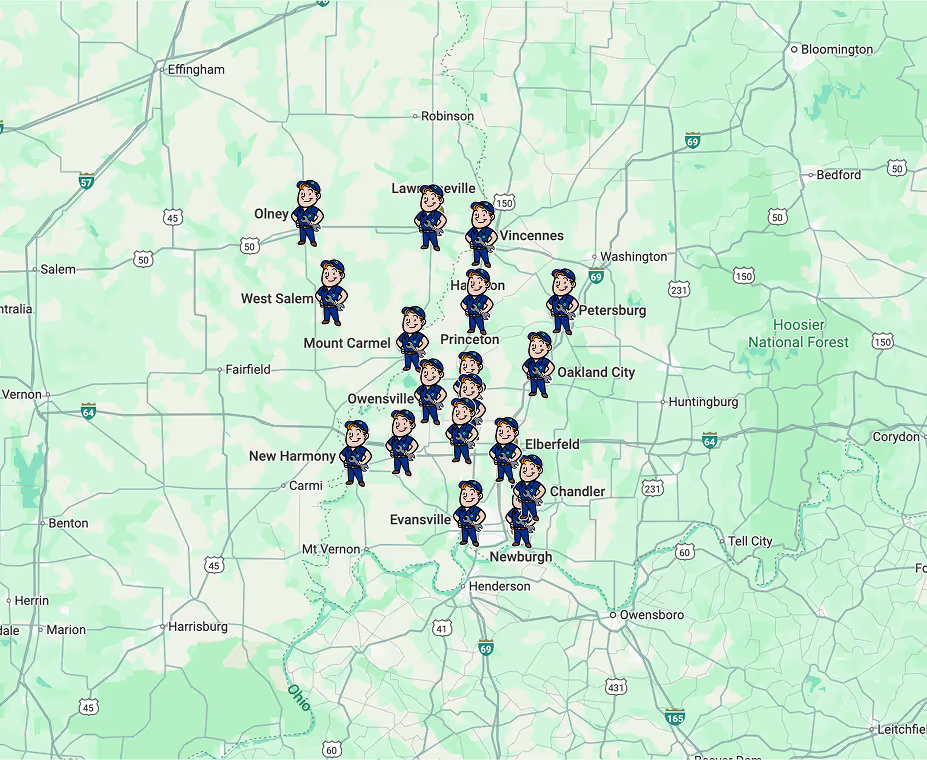
We proudly serve clients throughout our surrounding communities, delivering reliable service wherever you need us. No matter the location, our team is committed to the same high-quality results and responsive support.