Mini Split Tune-up in Fort Branch, IN
Mini Split tune-up service in Fort Branch, IN improves efficiency and extends life. Schedule professional diagnostics now.

Mini Split Tune-up in Fort Branch, IN
You know, a properly maintained mini split heat pump is truly the secret to keeping your Fort Branch home comfortable all year long, and it's your best defense against those costly breakdowns right when our hot, humid summers or chilly winters hit. Our targeted mini split tune-up really zeroes in on all the critical components that dictate efficiency and reliability: things like filters, coils, refrigerant charge, electrical parts, airflow, and condensate drainage. For homeowners here in Fort Branch, IN, choosing Perfect Climate Heating and Air for seasonal tune-ups is honestly the most effective way to keep your system performing great, protect your warranty, and cut down on energy use throughout its entire lifespan.
Why a Mini Split tune-up matters in Fort Branch, IN
- Fort Branch experiences hot, humid summers that force mini splits to run longer; accumulated dust, pollen and high humidity reduce heat-exchange efficiency.
- Cold snaps and seasonal temperature swings increase demand on reverse-cycle heat modes and expose small leaks or failing electrical parts.
- Regular tune-ups catch developing problems before they cause mid-season failures, helping systems cycle efficiently through both cooling and heating seasons.
Common Mini Split issues in Fort Branch homes
- Clogged or dirty filters restricting airflow and lowering indoor comfort
- Dirty evaporator or condenser coils reducing cooling and heating capacity
- Low refrigerant from slow leaks, causing poor performance and higher energy use
- Faulty electrical connections, worn capacitors, or weakening motors that lead to intermittent operation or failures
- Uncalibrated controls or sensors producing inaccurate temperature regulation
- Blocked condensate drain lines causing water leaks or moisture problems
- Outdoor unit obstructions (leaves, grass, pollen) that reduce airflow
Seasonal tune-up checklist
A comprehensive mini split tune-up covers these essential items:
- Filter cleaning or replacement: Inspect, clean or replace filters based on condition and manufacturer recommendations.
- Coil cleaning: Clean indoor evaporator and outdoor condenser coils to restore heat transfer.
- Refrigerant level checks: Measure charge and look for signs of leaks; document pressures and temperature splits.
- Electrical inspections: Tighten terminals, check contactors, capacitors and wire insulation; measure compressor and fan motor amperage.
- Thermostat and control calibration: Verify remote sensors and wall controls are accurate and communicating properly.
- Airflow and fan checks: Measure airflow, inspect fan blades and blowers for balance and wear.
- Drain line and condensate pan inspection: Clear blockages, treat as necessary to prevent standing water and mold growth.
- Outdoor unit condition: Clear debris, check cabinet integrity, and verify line-set insulation and mounting.
- Operational performance test: Run system through cooling and heat modes, record temperature differentials and runtime behavior.
What a professional diagnostic includes (plain language)
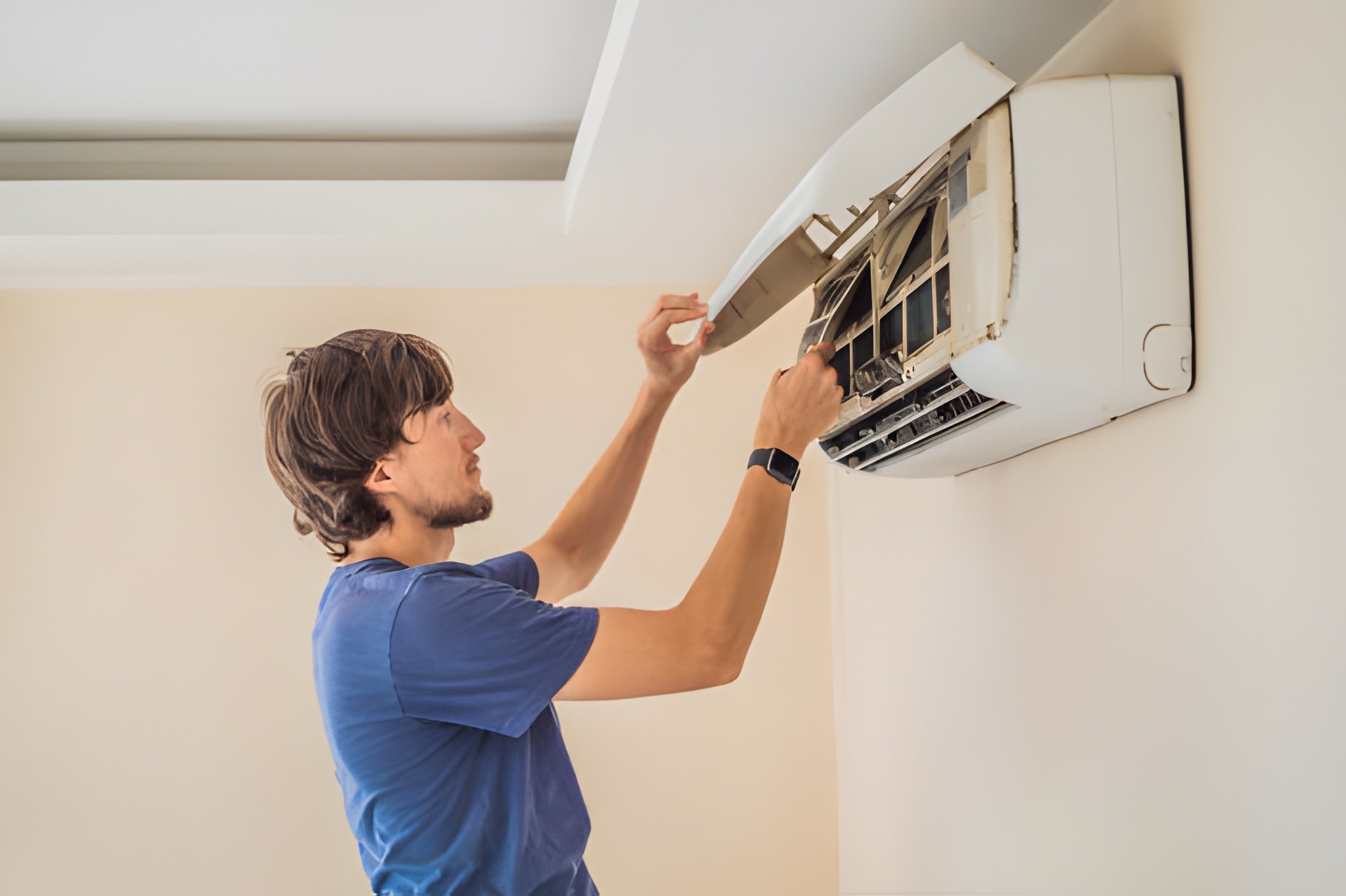
Technicians use visual inspection combined with simple measurements to evaluate system health. Typical tasks include:
- Inspecting filters and physically cleaning or swapping them out if needed.
- Wiping and rinsing coils and checking for corrosion or bent fins.
- Connecting gauges to read refrigerant pressures and measuring suction/discharge temperatures to estimate charge and system efficiency.
- Testing electrical components with meters to ensure safe voltage, proper amperage and solid connections.
- Verifying that indoor sensors, remotes and thermostats read temperatures accurately and that the system responds correctly to setpoint changes.
- Checking condensate drainage by flushing lines and confirming the pan and pump (if equipped) function properly.
All findings are explained in plain terms so you understand what affects comfort and operating cost.
Typical repairs uncovered during tune-ups
- Replacing filters or recharging reusable filters
- Clearing or repairing clogged drain lines and condensate pumps
- Repairing or replacing capacitors, contactors or fan motors
- Sealing small refrigerant leaks and rechecking system charge
- Replacing worn or misaligned fan blades and updating line-set insulation
- Resetting or replacing faulty sensors or control boards
Explaining repairs in simple language helps you weigh whether repair or replacement is the better long-term choice for your home.
How tune-ups protect warranties
Most manufacturers require documented, periodic maintenance to keep warranties valid. A recorded tune-up that inspects refrigerant, electrical components, and filters demonstrates you met maintenance obligations. For multi-head or commercial mini splits commonly used in the Tri-State area, maintenance documentation is often essential before parts or compressor replacements will be honored under warranty.
Recommended frequency
- For homes in Fort Branch, IN, the recommended baseline is two tune-ups per year: one before the heavy cooling season (spring) and one before the heating season (fall). This schedule addresses the demands of both cooling and heating modes and reduces stress during peak use.
- At a minimum, perform a full professional tune-up annually. Homes with high dust loads, pets, or heavy pollen exposure may benefit from more frequent checks and filter changes.
- In between professional visits, check and clean filters regularly—typically every 1 to 3 months depending on use—to maintain airflow and efficiency.
Pricing considerations (what affects cost)
Rather than a single fixed price, tune-up cost depends on:
- Number of indoor heads/air handlers on the system
- Accessibility of indoor and outdoor units
- System age and condition (time to diagnose and repair)
- Required parts or refrigerant handling (if leaks are found)
- Whether the service includes performance measurements and documentation for warranties
Because complexity varies, many homeowners choose maintenance plans that bundle seasonal tune-ups and prioritize service scheduling.
Maintenance tips for Fort Branch homeowners
- Keep the outdoor unit clear of leaves, grass clippings and debris; inspect it after storms and during pollen season.
- Replace or clean filters on a regular schedule; washable filters need periodic rinsing and reinstallation.
- Keep indoor space around the head units free of obstructions to maintain circulation.
- Watch for early warning signs: higher utility bills, longer runtime, frost on the line set, unusual noises, or inconsistent room temperatures.
A consistent maintenance rhythm helps your mini split deliver efficient cooling during Fort Branch summers and dependable heating in colder months while preserving manufacturer coverage. Routine tune-ups are an investment that lowers long-term operating cost, reduces repair risk, and extends the useful life of your mini split system.
What Our Clients
Say About Us
Our clients consistently praise our dedication and expertise. They appreciate our commitment to meeting their needs and providing sound advice, which has fostered long-lasting relationships.

SERVICE AREAS
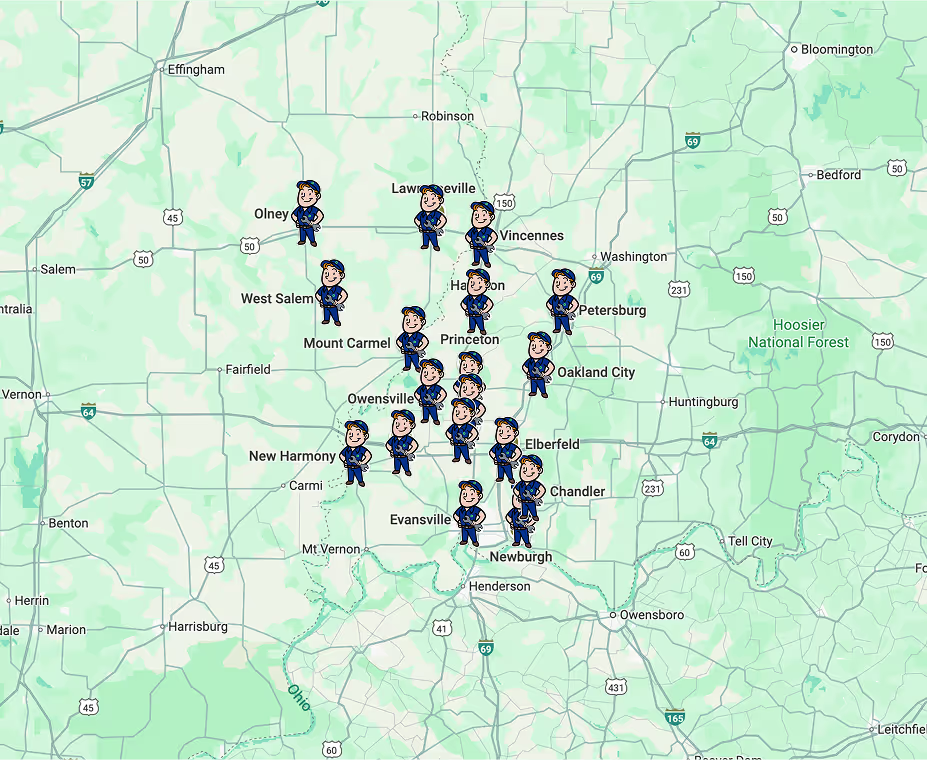
We proudly serve clients throughout our surrounding communities, delivering reliable service wherever you need us. No matter the location, our team is committed to the same high-quality results and responsive support.