Mini Split Repair in Lawrenceville, IL
Fast mini split repair in Lawrenceville, IL. Expert diagnostics, clear estimates, emergency support—learn more today to restore comfort and efficiency.

Mini Split Repair in Lawrenceville, IL
For Lawrenceville, IL homes and businesses, mini split systems offer a fantastic, ductless solution for heating and cooling. If you notice your head unit isn't cooling, the outdoor unit won't kick on, or you're hearing strange noises or seeing water leaks, don't wait! Getting a timely mini split repair from Perfect Climate Heating and Air isn't just about restoring comfort; it's about preventing bigger, costlier failures and keeping your energy bills in check.
.jpeg)
Why timely Mini Split repair matters in Lawrenceville, IL
Lawrenceville experiences warm, humid summers and occasional severe weather. High humidity and frequent seasonal pollen can stress indoor coils and filters, while storms and voltage fluctuations can damage electronics. Delaying repairs often increases energy bills, worsens indoor comfort, and raises the risk of compressor or inverter failure — repairs that are costly or can make replacement the better option. Quick, accurate repairs restore performance and extend system life.
Common Mini Split failures in Lawrenceville, IL
- Compressor failure
The compressor is the heart of the outdoor unit. Symptoms include loss of cooling, loud banging or clattering, frequent short cycling, or tripped breakers. Causes range from refrigerant problems to electrical stress and long-term mechanical wear. - Inverter electronics / control board faults
Inverter and PCB faults cause erratic performance, error codes, or complete system non-start. Power surges during thunderstorms in the region are a common trigger. - Refrigerant leaks
Low refrigerant causes weak cooling, ice on the evaporator coil, or long run times. Leaks can develop at brazed joints, valve assemblies, or coil corrosion accelerated by humid conditions. - Fan motor and blower issues
Indoor blower and outdoor fan failure produce poor airflow, unusual noises, and uneven temperatures. Pollen, dust buildup, and foreign object impact are common contributors. - Drain and condensate problems
Clogged condensate lines cause water to back up into the pan or indoor unit and can trigger overflow switches. High indoor humidity produces additional condensate load. - Sensor failures and thermostatic issues
Faulty room sensors or thermistor readings can cause incorrect temperature control and short cycling.
Diagnostic approach: what to expect
- Initial assessment: Visual inspection of indoor and outdoor units, filter check, and review of user-reported symptoms and error codes.
- Electrical testing: Verify correct line voltages, check capacitors, contactors, and inverter input. In Lawrenceville, verifying stable incoming voltage is important due to occasional storm-related fluctuations.
- Refrigerant and pressure check: Use gauges to confirm refrigerant charge and look for pressure anomalies that indicate leaks or blockages.
- Airflow and coil inspection: Evaluate blower speeds, ductless head cleanliness, and coil condition for frost, corrosion, or blockage.
- Leak detection and dye or electronic tracer: When a leak is suspected, perform dye tests or electronic leak detection to locate and assess severity.
Most field diagnostics can be completed in one visit (30 to 90 minutes). A full diagnostic report should explain necessary repairs, parts needed, cost estimates, and a recommended timeline.
Typical Mini Split repair timelines
- Same-day repairs: Filter replacement, fan motor swaps (stock permitting), condensate unclogs, and simple electrical resets.
- 1–3 days: Common parts replacement such as indoor blowers, fan motors, or control boards if parts are available locally.
- 3–7+ days: Major components like compressors or specialized inverter boards when OEM parts must be ordered. Availability can vary by brand and season.
- When replacement is preferable: Multiple system failures, extensive compressor damage, or very old systems with obsolete parts — replacement timelines depend on system selection and installation complexity.
Parts and labor: what to know
- OEM vs aftermarket parts: OEM parts match manufacturer specs and typically maintain warranty coverage. Aftermarket parts can be a cost-saving option but may have variable longevity. Expect a clear estimate indicating the part brand and warranty term.
- Labor transparency: Professional mini split repair includes skilled diagnostics, time for safe refrigerant handling, calibration, and testing. Estimates should itemize labor hours and scope.
- Refrigerant handling: Leak repair and recharge must comply with federal and state refrigerant regulations. Recharging refrigerant adds to parts and labor and requires certified technicians.
- Electrical and safety work: Any electrical replacements, surge protection installation, or circuit repairs are part of labor and should be performed to code.
Warranty and parts replacement policies (what to expect)
- Manufacturer warranties: Many mini split components carry manufacturer warranties on compressors and limited parts coverage. Term lengths vary by brand and product line. Confirm age and serial numbers to check remaining coverage.
- Labor warranties: Repair labor warranties commonly range from 30 to 365 days depending on the provider and the type of work. Ask for written terms before service.
- When parts are not repairable: Severe compressor or inverter board damage often requires full part replacement. In older systems where parts are obsolete, replacement of the entire system might be the recommended and most cost-effective option.
Emergency repair response
- Triage and temporary fixes: For emergency calls (no cooling during a heat wave, major leaks, or electrical hazards), expect immediate triage: safe shutdown, temporary containment of leaks, and scene safety measures.
- Prioritization: Emergencies that create health or safety risks, such as refrigerant leaks or electrical faults, receive priority. Non-critical repairs may be scheduled after stabilization.
- After-stabilization steps: Technicians will provide a diagnostic timeline and parts availability, with an estimated date to complete repairs.
Tips to prevent repeat issues in Lawrenceville homes
- Schedule biannual maintenance: Clean coils, check refrigerant levels, confirm electrical connections, and lubricate moving parts twice yearly — before cooling and heating seasons.
- Keep filters and heads clean: Wash or replace filters monthly during heavy-use periods. Wipe indoor heads to reduce pollen and dust buildup common in the area.
- Protect outdoor units: Clear debris, trim vegetation, and ensure good airflow. Raise units slightly if yard drainage is poor to avoid flooding during heavy rains.
- Install surge protection: A whole-home surge protector or dedicated surge suppression for the outdoor unit reduces risk to inverter electronics during storms.
- Monitor for early signs: Strange noises, increased runtime, frost on coils, water dripping indoors, or higher bills all warrant prompt inspection to avoid compressor damage.
What Our Clients
Say About Us
Our clients consistently praise our dedication and expertise. They appreciate our commitment to meeting their needs and providing sound advice, which has fostered long-lasting relationships.

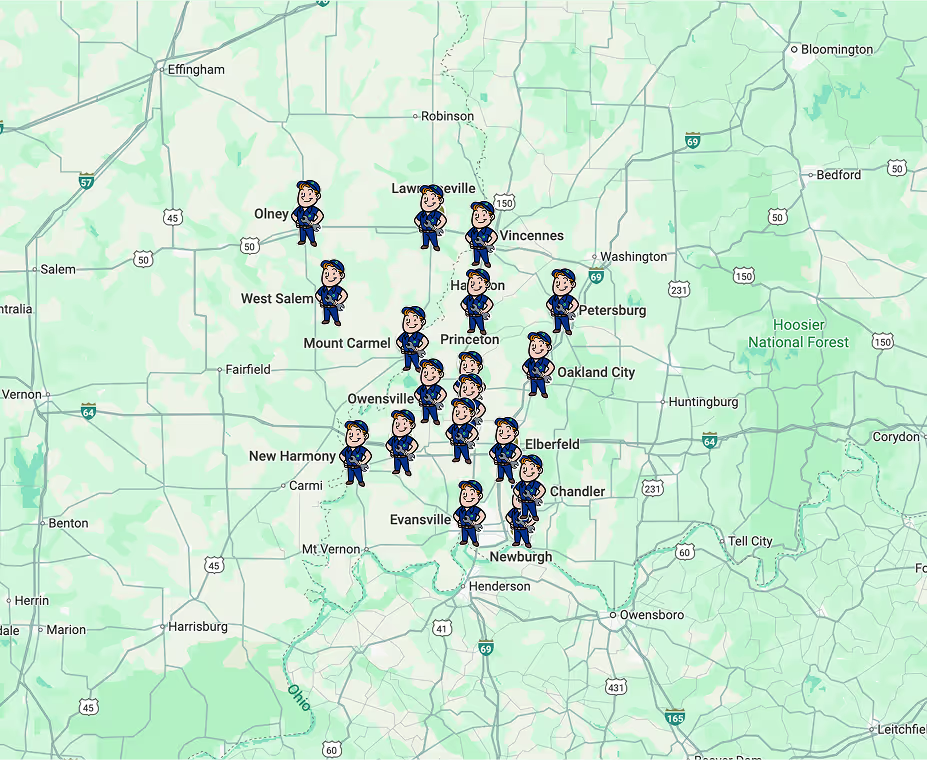
SERVICE AREAS
We proudly serve clients throughout our surrounding communities, delivering reliable service wherever you need us. No matter the location, our team is committed to the same high-quality results and responsive support.