Mini Split Tune-up in Lawrenceville, IL
Mini Split Tune-Up in Lawrenceville, IL keeps cooling and heating efficient, improves comfort, and extends system life. Learn more about our tune-ups.

Mini Split Tune-Up in Lawrenceville, IL
Keeping your mini split heat pump perfectly tuned and running efficiently isn't just a good idea – it's one of the smartest ways to ensure year-round comfort, keep energy bills down, and truly extend the life of your equipment here in Lawrenceville, IL. Mini splits are a fantastic choice for zoned heating and cooling in our homes, but southern Indiana throws unique challenges their way: those hot, humid summers, the heavy spring pollen, and our chilly winters all place significant demands on ductless systems. That's why a professional mini split tune-up, specifically tailored to our local conditions by experts like Perfect Climate Heating and Air, is so crucial. It actively prevents common failures, helps preserve your warranty coverage, and guarantees the dependable performance you count on when you need it most. Trust Perfect Climate Heating and Air to keep your system performing its best.
Why a seasonal Mini Split tune-up matters in Lawrenceville, IL
Lawrenceville experiences high humidity and pollen in spring and summer, which clogs filters and coils faster than in drier climates. Cold snaps in winter place heavy demand on inverter compressors operating in heat pump mode. Rural roads and nearby agricultural activity can increase dust and debris that enter indoor units. A seasonal tune-up addresses these local stressors to keep your mini split running efficiently, avoid high energy bills, and reduce the risk of mid-season failures when repair parts can be harder to source.
Common Mini Split issues in Lawrenceville
- Dirty or clogged filters causing reduced airflow and poor comfort
- Reduced cooling or heating capacity from dirty coils or low refrigerant
- Electrical problems such as loose connections or failing capacitors
- Erratic operation or control calibration issues after power outages or storms
- Condensate drain clogs leading to indoor water leaks or mold growth
- Reduced efficiency from worn fan motors or faulty inverter components
Seasonal tune-up checklist
A comprehensive mini split tune-up includes visual inspection, cleaning, measurements, and a written report. Typical checklist items are:
- Filter inspection and service: Replace or clean washable filters and verify proper seating.
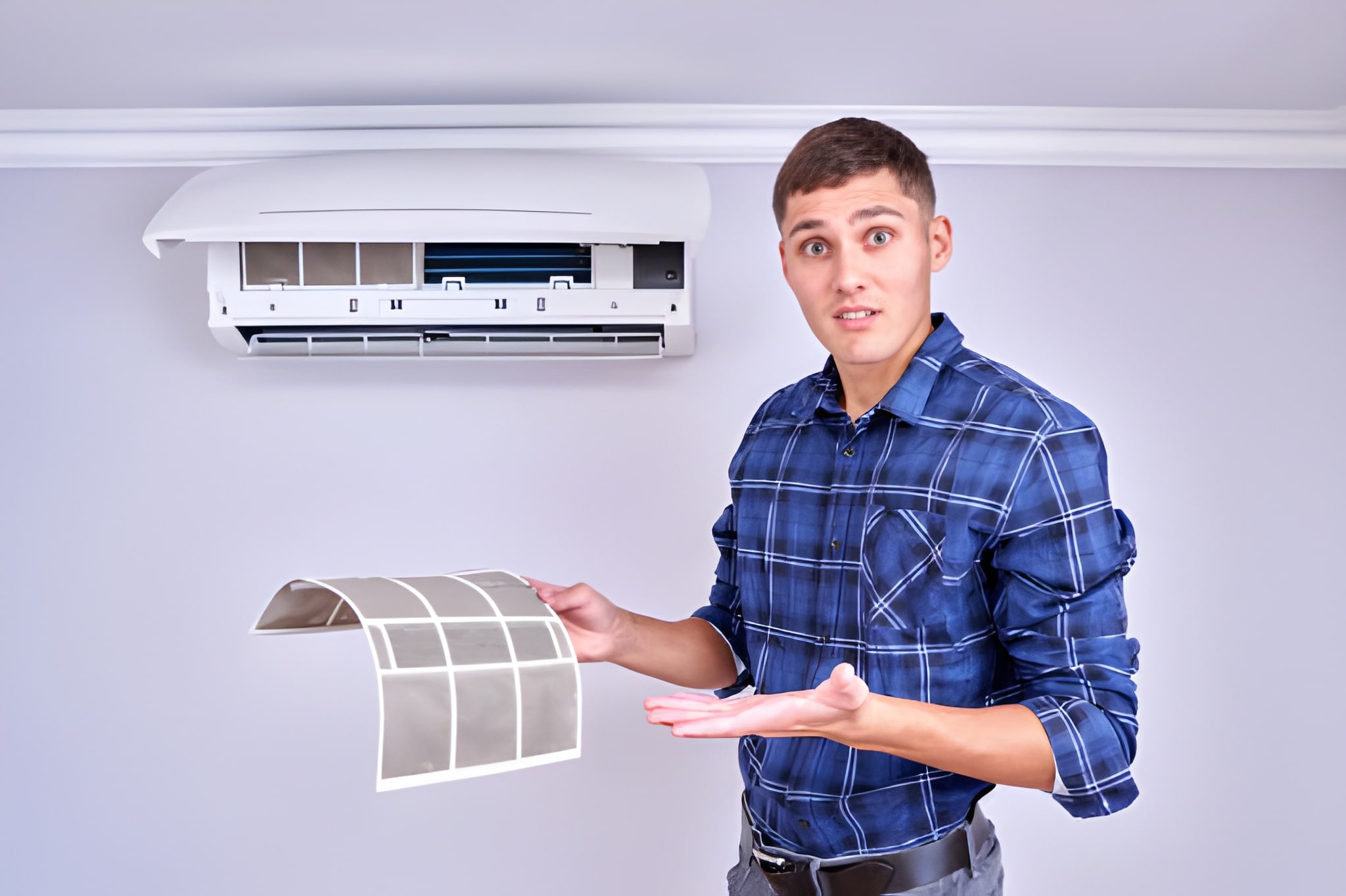
- Indoor coil cleaning: Remove dust and debris from the evaporator to restore heat transfer.
- Outdoor coil and fan cleaning: Clear leaves, grass, and pollen from the condenser coil and verify free fan movement.
- Refrigerant check: Measure system pressures and superheat/subcooling to confirm proper refrigerant charge and look for signs of leaks.
- Electrical inspection and tightening: Check and tighten electrical connections, inspect contactors, capacitors, and wiring for wear.
- Control and thermostat calibration: Confirm the indoor controller and sensors are calibrated and responding correctly.
- Airflow measurement: Verify airflow across the indoor unit using an anemometer or pressure method to ensure adequate CFM for the space.
- Condensate system inspection: Clear the drain, inspect the trap, and check for proper slope and flow to prevent backups.
- Compressor and inverter health check: Observe start-up behavior, listen for abnormal noises, and confirm correct operating amperage.
- Safety controls and limits: Test defrost cycles (in winter), high and low-pressure safety operation, and other protective devices.
Diagnostic and performance testing methods
During a tune-up, technicians run a series of simple, proven performance checks to find hidden problems and verify system capacity:
- Temperature split test: Measure supply and return air temps to check heat transfer. A properly functioning mini split will typically show a consistent temperature difference in cooling and heating modes.
- Electrical load testing: Use a clamp meter to measure compressor and fan amperage to detect motors drawing excessive current or failing components.
- Refrigerant performance check: Compare measured pressures and temperatures to manufacturer targets. Low charge or non-condensables show up here and explain capacity loss.
- Airflow and static pressure: Measure airflow at the discharge to confirm the indoor unit is moving the designed amount of air. Restricted airflow is a leading cause of icing, short cycling, and poor comfort.
- Operational run test: Cycle the system through modes and observe defrost, inverter ramping, and indoor comfort response.
These diagnostics let a technician recommend targeted corrective actions rather than guesswork, saving time and protecting system components.
Written service report and recommended corrective actions
After testing, you receive a clear, written service report that documents:
- All measurements taken (temperatures, pressures, amperage, airflow)
- Visual findings and parts inspected or replaced
- Recommended repairs or adjustments, ranked by urgency
- Notes on seasonal considerations (for example, pollen season or impending heating demand)
Recommended corrective actions might include filter replacement, coil cleaning, refrigerant leak repair and recharge, electrical repairs, condensate drain cleaning, or component replacements (capacitor, fan motor, or control board). The written report creates a record you can use for warranty claims and helps track system history over time.
How tune-ups tie into maintenance plans and warranty protection
Most manufacturers require documented annual maintenance to keep parts of the warranty valid. Regular, professional tune-ups:
- Provide the documentation manufacturers want for warranty claims
- Reduce the chance of accelerated wear that voids coverage
- Extend equipment life by catching small issues before they become major failures
- Keep systems running near peak efficiency, delivering the seasonal performance the unit was designed for
A recurring maintenance plan schedules tune-ups before summer cooling and before winter heating seasons, ensures filters are changed on time, and creates an ongoing record of service. For Lawrenceville residents, seasonal scheduling accounts for local pollen and humidity peaks so tune-ups occur when they matter most.
Benefits you can expect after a professional tune-up
- Improved comfort with more consistent indoor temperatures and humidity control
- Lower energy use and reduced operating costs due to restored airflow and clean coils
- Fewer emergency repairs as technicians catch issues early
- Longer equipment life and better reliability through preventative care
- Documentation that supports warranty coverage and resale value
Seasonal tune-ups are a practical, low-risk investment in your home comfort and system longevity. In Lawrenceville, IL, where seasonal weather swings and environmental dust can stress mini splits, regular tune-ups keep your system prepared for the demands of summer cooling and winter heating.
What Our Clients
Say About Us
Our clients consistently praise our dedication and expertise. They appreciate our commitment to meeting their needs and providing sound advice, which has fostered long-lasting relationships.

SERVICE AREAS
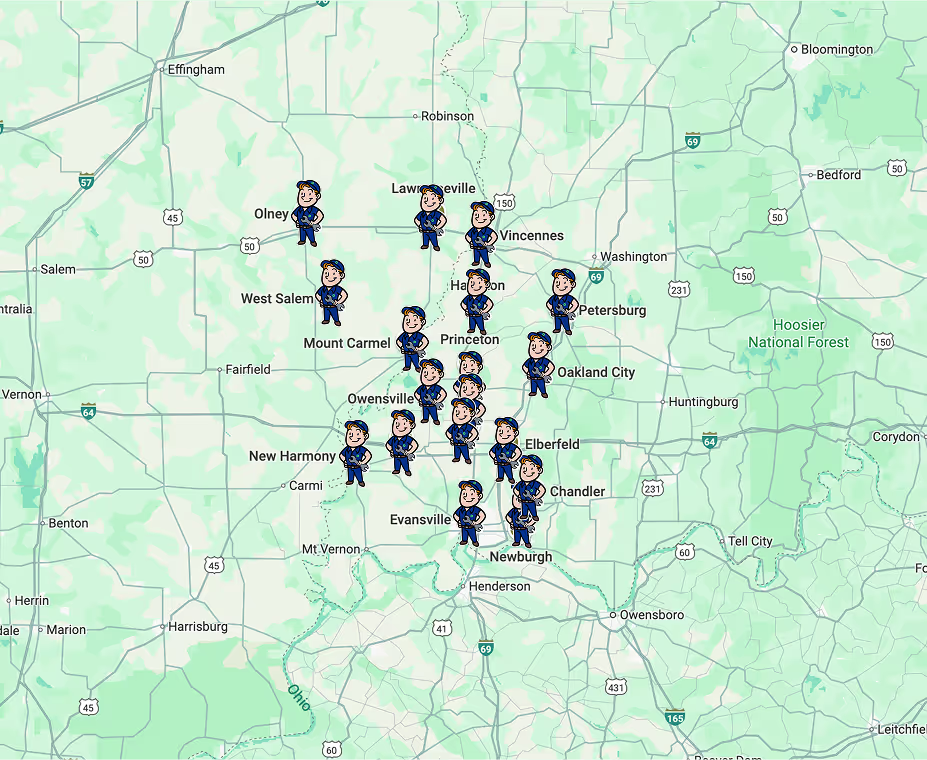
We proudly serve clients throughout our surrounding communities, delivering reliable service wherever you need us. No matter the location, our team is committed to the same high-quality results and responsive support.