Mini Split Repair in Newburgh, IN
Mini Split repair in Newburgh, IN: diagnostics, failures, and reliable, warranty repairs. Schedule service today for faster results now.

Mini Split Repair in Newburgh, IN
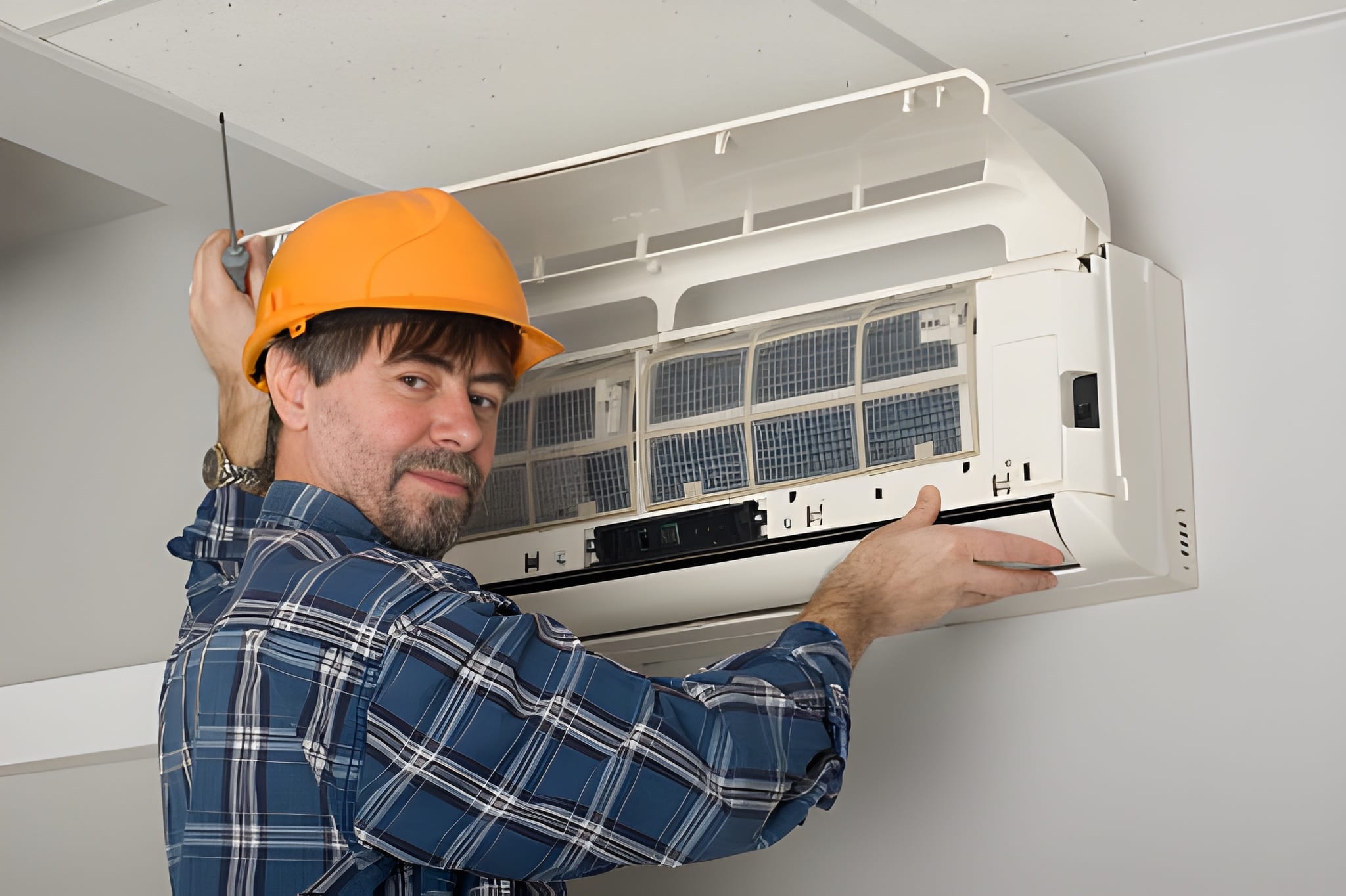
Mini split systems are an increasingly popular choice for Newburgh, IN homes — especially older or riverfront properties that lack ductwork. When a ductless unit fails, it can quickly affect comfort, indoor air quality, and energy bills during the region’s hot, humid summers or unpredictable shoulder seasons. Here at Perfect Climate Heating and Air, we understand how crucial a working mini split is to your home's comfort, and we're here to help when yours needs a repair.
Common Mini Split issues in Newburgh, IN
Newburgh’s climate and local housing stock create recurring service needs for mini splits. Typical problems include:
- Compressor failure
- Causes: electrical faults, lack of lubrication, repeated short-cycling, or long-term refrigerant problems.
- Symptoms: outdoor unit humming without cooling, reduced capacity, unusual vibrations or loud noises from the condenser.
- Fan motor or blower problems (indoor or outdoor)
- Causes: motor wear, capacitor failure, debris from storms or landscaping.
- Symptoms: poor airflow, rattling or screeching sounds, intermittent operation.
- Control board or thermostat faults
- Causes: power surges, water intrusion, worn connectors, or software/communication errors between indoor and outdoor units.
- Symptoms: unit won’t respond to remote or wall control, unpredictable on/off cycles, error codes on the display.
- Refrigerant leaks and low charge
- Causes: corrosion, damaged lines during home projects, factory defects, or UV exposure.
- Symptoms: frosting on refrigerant lines, poor cooling performance, higher run times and energy use.
- Drainage and condensate problems
- Causes: clogged drain lines or pump failures (common in humid climates).
- Symptoms: water leaks inside, moldy odors, overflow shutdowns.
How we diagnose Mini Split problems
A structured diagnostic approach ensures repairs are accurate and cost-effective. Typical steps include:
- Visual inspection
- Check indoor and outdoor units for physical damage, debris, and proper clearance.
- Inspect electrical connections, control wiring, and visible refrigerant lines.
- System communication and control checks
- Verify the indoor controller or remote and observe any error codes.
- Confirm the outdoor unit receives correct signals from indoor units.
- Electrical testing
- Test capacitors, contactors, fuses, relays, and the control board for voltage and continuity.
- Evaluate the compressor start/ run circuits to identify electrical failure points.
- Refrigerant and pressure testing
- Measure operating pressures and temperatures to determine charge level and identify leaks.
- Use leak-detection tools when low charge or potential leaks are suspected.
- Airflow and component performance
- Measure indoor airflow and check evaporator coil temperature differentials.
- Test fan motors and blowers for proper RPM and condition.
- Condensate system assessment
- Inspect drain routes, condensate pumps, and residue that indicates slow drainage or backups.
Detailed diagnostics provide a clear repair plan and help determine whether repair or replacement is the most practical option.
Repair and parts replacement workflows
Repair workflows focus on restoring safe, efficient operation while preserving manufacturer warranties when possible. Standard practices include:
- Compressor repairs or replacement
- Confirm root cause (electrical, refrigerant, or mechanical) before replacing a compressor.
- Where compressors are replaced, associated components (e.g., drier/receiver, filter, capacitator) are commonly replaced to protect the new compressor.
- Fan motor and blower replacement
- Replace failing motor or capacitor and test system balance to ensure proper airflow and quiet operation.
- Control board and thermostat service
- Replace damaged boards or update firmware; verify system communication and restore correct settings.
- Refrigerant leak repair
- Locate and repair the leak (brazing or line replacement as necessary), evacuate the system, and recharge to manufacturer specifications using certified refrigerants.
- Coil cleaning and condensate corrections
- Clean evaporator and condenser coils and clear drain lines; replace condensate pumps if needed to prevent future water damage.
- Parts sourcing and installation
- Use OEM or high-quality equivalent parts sized for the system; document part numbers and work performed to aid warranty claims.
After repairs, technicians run the system through a full performance test, verify electrical safety, and record operating parameters for future reference.
Emergency repairs and response times in Newburgh
Mini split failures can be urgent when summer humidity or winter chill threatens comfort. In Newburgh, rapid response is often required after storms or during peak seasons. Emergency repair options typically include:
- 24/7 emergency service availability
- Priority scheduling for systems that are nonfunctional or creating safety concerns.
- Same-day or next-day diagnostic visits
- Based on technician availability and parts inventory, many local services offer same-day diagnostics and expedited repairs.
- Temporary solutions when parts are delayed
- Short-term fixes (bypass controls, temporary pumps, or patching refrigerant leaks) to restore partial operation until full repairs are possible.
Expect clear communication about projected arrival windows, diagnostic findings, and the timeline to complete repairs or secure replacement parts.
Warranties, certified technicians, and refrigerant handling
Handling warranties and complying with regulations are critical components of professional repair:
- Licensed, certified technicians
- Technicians with HVAC licensing and EPA refrigerant certifications perform diagnostics and repairs to code and safety standards.
- Warranty coordination
- Documentation of diagnostics and parts replaced is kept to support manufacturer warranty claims. Technicians follow OEM service procedures to avoid voiding warranties when feasible.
- Proper refrigerant practices
- Leak repairs, evacuation, and refrigerant recharges are performed with certified equipment and reclaimed or new refrigerant that meets manufacturer specifications and environmental regulations.
Preventive maintenance and local recommendations for Newburgh homeowners
Routine maintenance reduces breakdown risk and extends mini split life in Newburgh’s humid environment:
- Schedule seasonal tune-ups before summer and winter to check refrigerant charge, electrical components, and airflow.
- Keep outdoor units free of debris, leaves, and heavy vegetation; during riverfront wind events, clear any lodged debris promptly.
- Replace or clean filters regularly to maintain airflow and indoor air quality.
- Inspect condensate drains and pumps before humid months to prevent overflow and microbial growth.
- Consider addressing humidity with built-in dehumidification features or a complementary system if indoor moisture is persistent.
Mini split repair in Newburgh, IN should prioritize accurate diagnostics, proper parts and refrigerant handling, and experienced technicians familiar with local climate challenges. Timely, professional repairs preserve comfort and efficiency so your ductless system continues to perform reliably throughout the seasons.
What Our Clients
Say About Us
Our clients consistently praise our dedication and expertise. They appreciate our commitment to meeting their needs and providing sound advice, which has fostered long-lasting relationships.

SERVICE AREAS
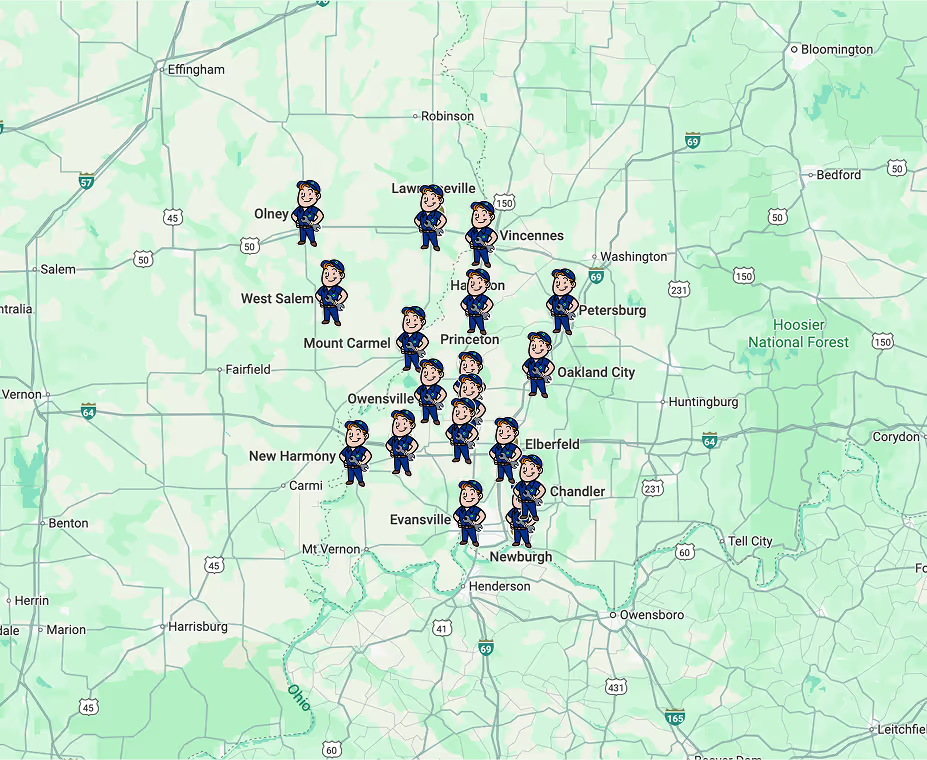
We proudly serve clients throughout our surrounding communities, delivering reliable service wherever you need us. No matter the location, our team is committed to the same high-quality results and responsive support.