Mini Split Service in Newburgh, IN
Mini Split service in Newburgh, IN boosts efficiency, protects warranties, and extends system life. Schedule diagnostics.

Reliable Mini Split Service for Newburgh, IN Homes
Mini split (ductless) systems offer a fantastically efficient and flexible way to keep Newburgh, IN homes comfortable—especially for those charming older or historic properties, new additions, or any room where traditional ductwork isn't an option. With our hot, humid summers and chilly winters along the Ohio River, ensuring your mini split runs quietly and efficiently is crucial. That's where Perfect Climate Heating and Air comes in; our proper service ensures your system delivers consistent comfort all year round, keeping you cozy and your energy bills in check.
Why timely Mini Split service matters in Newburgh, IN
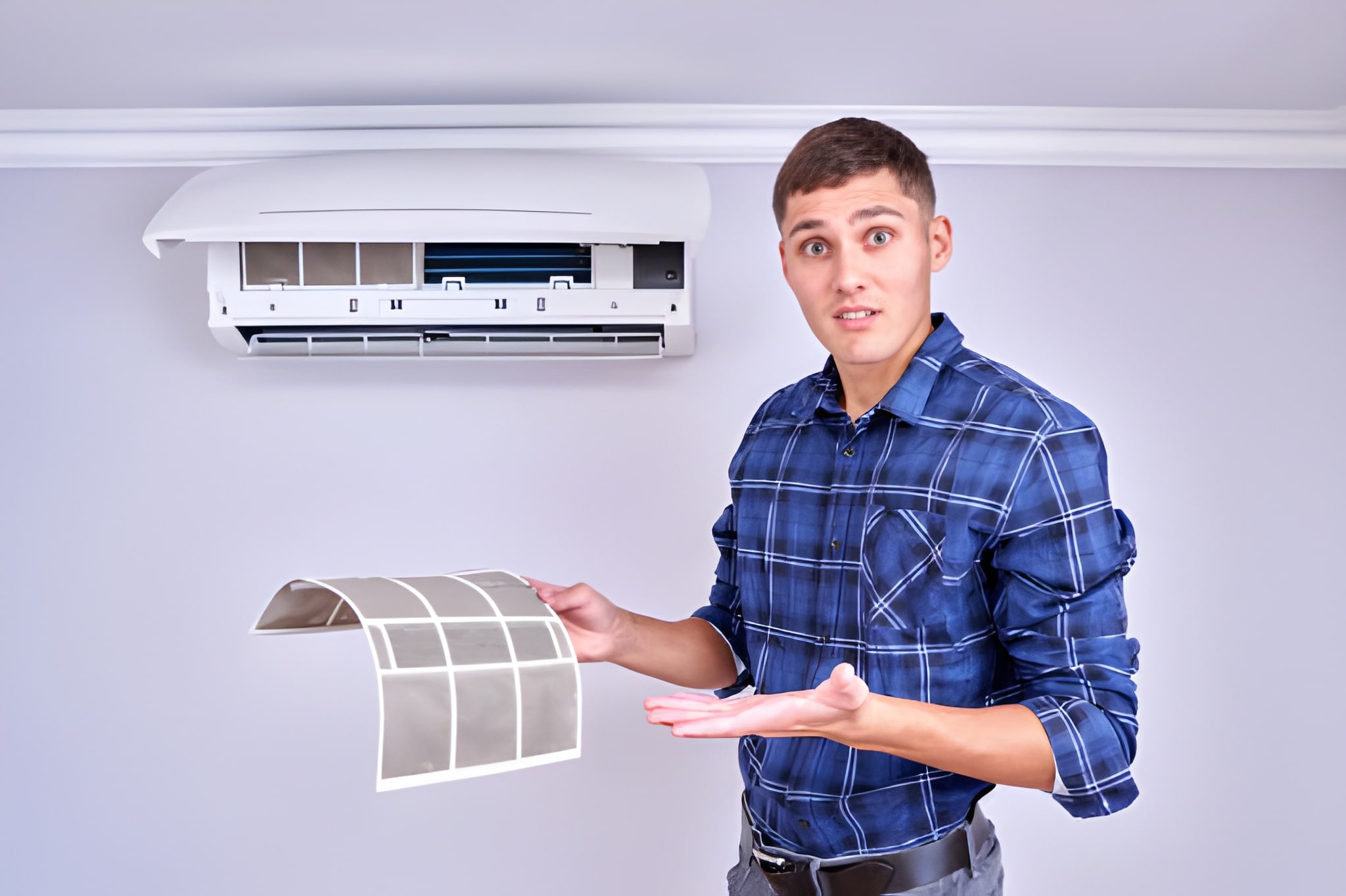
Newburgh’s climate brings warm, humid summers and periods of heavy pollen and airborne dust, which can clog filters and coils faster than in drier regions. Winter temperature swings and occasional freezes can stress outdoor compressor units. Regular service prevents efficiency loss, avoids equipment failures during extreme weather, and helps preserve manufacturer warranties that often require documented maintenance.
Common Mini Split issues in Newburgh, IN homes
- Reduced cooling or heating capacity — often due to dirty coils, blocked filters, or low refrigerant.
- Frozen evaporator coil or outdoor unit icing during shoulder seasons.
- Poor airflow from indoor heads caused by clogged filters, obstructed grilles, or failing fans.
- Refrigerant leaks or improper refrigerant charge leading to inefficiency and compressor strain.
- Unresponsive or intermittent controls and thermostat or remote failures.
- Water leaks or overflowing condensate lines and drain pans.
- Abnormal noise or vibration from mounting, fan bearings, or compressor issues.
- Corrosion or debris buildup on outdoor condensers from riverfront humidity and seasonal pollen.
Routine inspections and diagnostics: what to expect
A thorough mini split service visit focuses on performance, safety, and longevity. Typical diagnostic steps include:
- Visual inspection of indoor and outdoor units for damage, corrosion, or debris.
- Filter and indoor coil inspection and cleaning.
- Measurement of airflow and temperature split across the evaporator to confirm capacity.
- Refrigerant pressure checks and comparison against manufacturer specifications.
- Electrical and control testing: voltage, amp draw, contactors, capacitors, wiring, and safety controls.
- Condensate drain inspection and cleaning to prevent water backups and mold growth.
- Compressor and fan motor performance check, including vibration and noise assessment.
- Documented report with findings, measured values (pressures, temps, amps), and recommended repairs or adjustments.
Inspections usually take 30 to 60 minutes for a single-zone system and longer for multi-zone setups or when detailed leak detection is required.
Common service tasks and what they solve
- Filter cleaning or replacement: restores airflow, improves comfort, and protects coils.
- Indoor coil cleaning: improves heat transfer and system efficiency.
- Outdoor coil and condensate pan cleaning: prevents overheating and water problems.
- Refrigerant leak detection and repair: required before any recharge to protect equipment and the environment.
- Refrigerant recharge and performance balancing: restores cooling/heating capacity when charge is correct and system is leak-free.
- Electrical repairs and control calibration: resolves intermittent operation and ensures safe operation.
- Fan, motor, and compressor component replacement: fixes noise, failure, and efficiency loss.
- Drain line clearing and condensate pump service: prevents water damage and mold.
Repair and solution timelines
- Basic maintenance (filters, coil cleaning, basic electrical checks): typically completed within 1 to 2 hours.
- Refrigerant leak diagnosis and minor leak repair: can take 2 to 4 hours depending on access and severity.
- Refrigerant recovery, repair, and recharge for larger leaks or multi-zone systems: may require a full-day visit.
- Major component replacement (compressor, inverter board, indoor head replacement): may require parts ordering and return visits, generally 1 to 3 business days depending on part availability.
- Technicians provide a service report outlining the work completed, measurements taken, and any follow-up needed.
Technician qualifications and safety standards
Professional mini split service should be performed by technicians who meet industry and regulatory standards, including:
- EPA 608 certification for refrigerant handling.
- Manufacturer-specific training for inverter-driven mini splits and multi-zone systems.
- Electrical and HVAC licensing where required.
- Experience with refrigerant leak detection methods and proper recovery equipment.
- Use of calibrated diagnostic tools for pressure, temperature, and electrical measurement.
- Technicians should follow safety best practices for high-voltage equipment and refrigerant handling to protect your home and the environment.
Warranty, service agreements, and documentation
Manufacturer warranties often require documented routine maintenance to remain valid. A proper service visit will include a written report showing:
- Date and time of service.
- Services performed and parts inspected or replaced.
- Measured values such as refrigerant pressures, temperature splits, and electrical readings.
- Recommendations for corrective repairs and estimated timelines.
Service agreements commonly include scheduled seasonal inspections, priority scheduling, documented tune-ups to protect warranties, and optional filter replacement plans. Clear documentation at each visit preserves warranty eligibility and helps track system history.
Tips to prolong Mini Split system life in Newburgh
- Clean or replace filters every 1 to 3 months during high-use seasons to reduce coil fouling.
- Keep outdoor units free of leaves, grass clippings, and pollen buildup; maintain at least 1 to 2 feet of clearance.
- Inspect condensate drains periodically for blockages and ensure proper slope to prevent standing water.
- Minimize direct sunlight on indoor heads with blinds or shades to reduce load.
- Avoid running multiple high-load appliances at once to reduce electrical stress on the system.
- Schedule professional tune-ups twice a year, once before cooling season and once before heating season, to catch minor issues early.
- Consider protective measures for the outdoor unit during winter storms and salt or debris exposure, while keeping airflow unobstructed.
What Our Clients
Say About Us
Our clients consistently praise our dedication and expertise. They appreciate our commitment to meeting their needs and providing sound advice, which has fostered long-lasting relationships.

SERVICE AREAS
We proudly serve clients throughout our surrounding communities, delivering reliable service wherever you need us. No matter the location, our team is committed to the same high-quality results and responsive support.