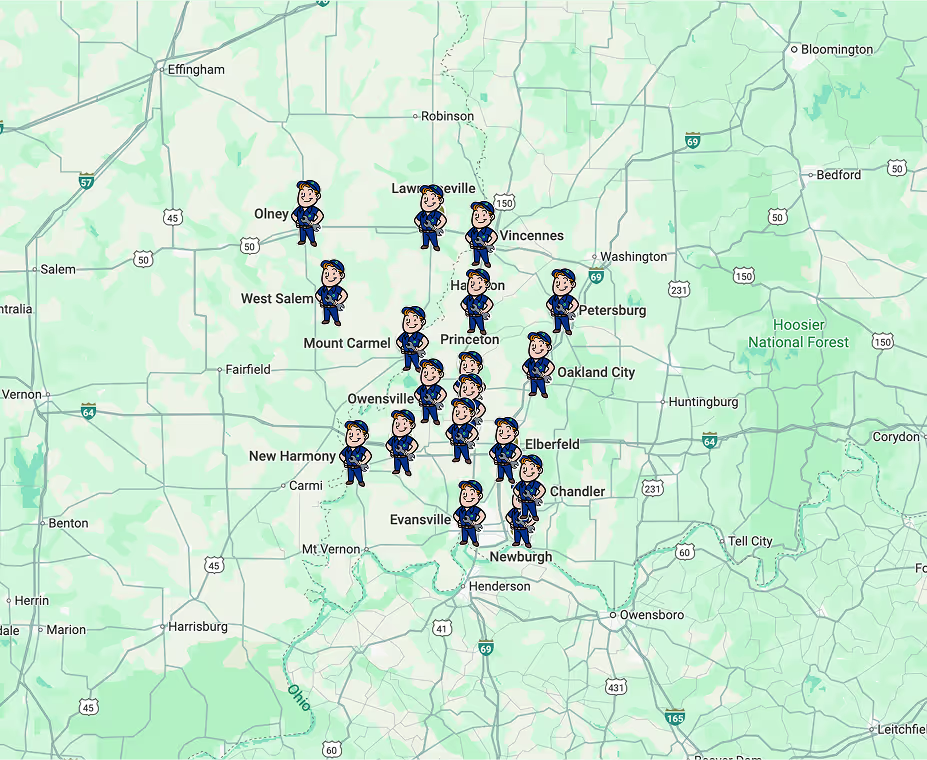
Mini Split Repair in Owensville, IN
Mini Split repair services in Owensville, IN - for diagnosis, timely fixes, and preventive tips. Learn more and schedule your service today.

Mini Split Repair in Owensville, IN
Mini split systems are a go-to choice in Owensville, IN for staying cool during humid summers and warm through those tricky shoulder seasons. When your ductless unit falters, comfort can disappear fast, especially since so many homes rely on mini splits for their primary or zoned heating and cooling. At Perfect Climate Heating and Air, we’re ready to tackle any mini split issue. We'll clearly explain common problems we encounter in Owensville, detail what our professional diagnostic involves, outline typical repair procedures and timelines, discuss our parts replacement policies, and cover emergency availability and expected cost ranges. Plus, we'll give you practical tips to help prevent future breakdowns and keep your system running smoothly.
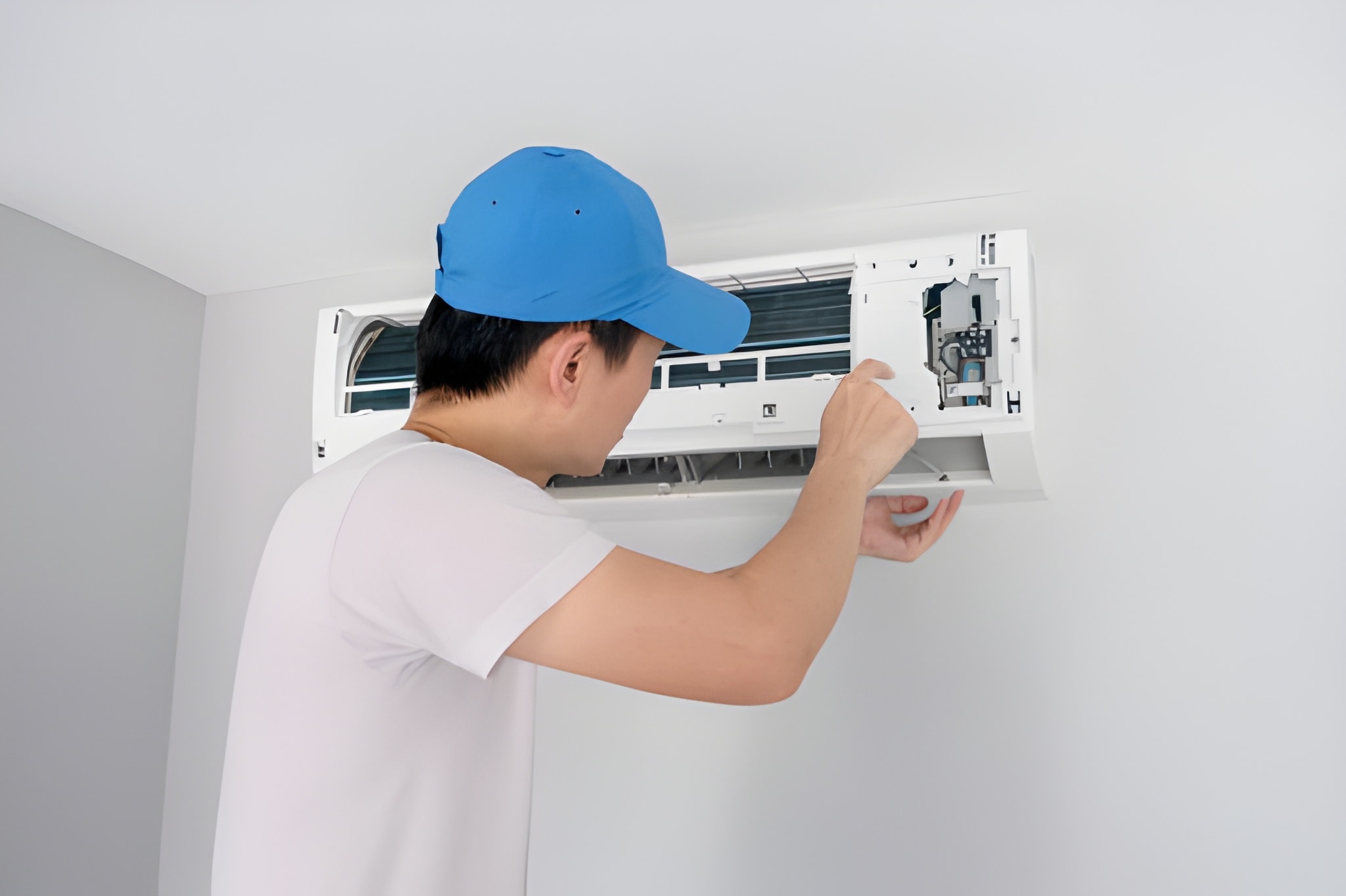
Why timely Mini Split repair matters in Owensville
Owensville experiences hot, humid summers and occasional cold snaps in winter. That climate increases load on mini splits year-round: high humidity forces compressors to work harder for dehumidification and extreme temperatures strain reversing valves and control electronics. Delaying repairs can lead to higher energy bills, reduced indoor comfort, and secondary damage such as frozen coils, compressor burnout, or moisture-related corrosion.
Common Mini Split failure modes in Owensville
Homeowners and businesses in the area typically report these issues:
- Compressor failure
Symptoms: Unit won’t cool or heat, outdoor unit noisy, frequent short cycling. Causes include electrical faults, sustained low refrigerant, or mechanical wear from heavy seasonal use. - Refrigerant leaks
Symptoms: Loss of cooling capacity, icing on evaporator coil, hissing sounds. Leaks often occur at brazed joints or line set damage from yard work or corrosion. - Electrical faults
Symptoms: Unit won’t power up, breakers trip, intermittent operation. Problems stem from failed contactors, capacitors, control boards, or poor connections. - Control and thermostat issues
Symptoms: Unit ignores setpoint changes, remote or wall controller unresponsive, erratic behavior. Causes include sensor failures, wiring faults, or software errors. - Drain and coil problems
Symptoms: Water dripping indoors, moldy smells, reduced airflow. High humidity and inadequate maintenance lead to clogged drain lines or dirty coils.
Diagnostic process: what to expect
A professional diagnostic follows a systematic approach to identify the root cause rather than treating symptoms:
- Visual inspection of indoor and outdoor units for obvious damage, corrosion, or debris.
- Electrical checks: voltage, current draw, and control signals to verify safe operation of the compressor, fan motors, and control board.
- Refrigerant assessment: pressure readings and temperature differentials to detect leaks or incorrect charge. Dye or electronic leak detection may be used if needed.
- Airflow and drainage checks: blower performance, filter condition, and condensate drain integrity.
- Control verification: testing remotes, wall controllers, and communication between indoor and outdoor units.
A thorough diagnostic typically takes 45 minutes to 2 hours depending on system complexity and whether multi-zone piping or multiple heads are involved.
Typical repair procedures and timelines
Repairs are scoped based on the diagnostic findings and type of failure:
- Minor repairs and adjustments (same-day to 1 day)
Examples: Replacing filters, clearing drains, tightening electrical connections, resetting controllers. These are often completed on the first visit. - Refrigerant leak repair and recharge (1–2 days)
Locating the leak, repairing the line or fitting, evacuating and recharging the system, then testing for hold and performance. If parts are on hand, service may finish the same day. - Capacitor, contactor, or fan motor replacement (same-day to 1 day)
These electrical component swaps are straightforward if the correct part is available. - Compressor replacement or major outdoor unit repair (2–5 days)
Compressor or outdoor module replacement is more involved: ordering parts, scheduling a service window, recovering refrigerant, brazing or replacing the outdoor assembly, and recharging and testing. Timelines vary with part availability. - Control board or multi-zone repairs (1–3 days)
Replacement of control modules or reprogramming multi-zone systems may require ordering specific OEM parts and careful commissioning.
Parts replacement policies and warranties
Standard professional practices include:
- Using OEM or equivalent quality replacement parts to preserve system reliability and warranties.
- Providing a clear estimate that lists parts, labor, and any refrigerant charges before major replacements.
- Honoring manufacturer or service warranties when applicable. Typical parts warranties vary by manufacturer and the part replaced; labor warranty terms are usually provided in writing for a specified period.
- If an older mini split is obsolete and parts are unavailable, technicians will outline replacement vs repair options and explain longevity expectations.
Emergency and after-hours service
Because mini splits often provide primary comfort, emergency and after-hours repair options are commonly available in the Owensville area, especially during extreme temperatures. After-hours response may include additional dispatch fees and limited on-hand parts, so initial triage may stabilize the system until full repairs can be done during regular hours.
Estimated cost ranges (Owensville-area guidance)
Costs vary by system age, model, and severity of the issue. Typical ranges:
- Diagnostic fee: modest, usually applied toward repair if performed.
- Minor repairs/parts: $100–$400.
- Refrigerant leak repair and recharge: $200–$900 depending on leak location and refrigerant type.
- Electrical component replacement (capacitor, contactor, motor): $150–$600.
- Compressor or outdoor unit replacement: $800–$3,000+ depending on single-zone vs multi-zone systems and refrigerant required.
These ranges are for planning only; an on-site diagnostic yields an accurate estimate.
Preventive steps to reduce future breakdowns
Local climate and seasonal use make prevention valuable. Recommended actions:
- Schedule professional maintenance at least once a year, ideally before peak cooling season.
- Replace or clean filters every 1–3 months to maintain airflow and indoor coil health.
- Keep outdoor units free of debris, vegetation, and snow buildup to ensure proper airflow.
- Check condensate drains and pans for clogs or algae growth; clear as needed.
- Monitor system performance and unusual noises; early attention prevents larger failures.
- Consider a maintenance plan that documents tune-ups to protect warranties and catch refrigerant loss early.
What Our Clients
Say About Us
Our clients consistently praise our dedication and expertise. They appreciate our commitment to meeting their needs and providing sound advice, which has fostered long-lasting relationships.
SERVICE AREAS
We proudly serve clients throughout our surrounding communities, delivering reliable service wherever you need us. No matter the location, our team is committed to the same high-quality results and responsive support.