Drain and Sewer Line in Chandler, IN
Trusted drain and sewer line service in Chandler, IN offers camera inspections and hydro-jetting options.

Drain and Sewer Line in Chandler, IN
In Chandler, IN, a healthy and comfortable home relies on smoothly operating drains and sewer lines. When you're facing clogs, backups, or outright pipe failures, it's more than just an inconvenience – you could be dealing with nasty odors, property damage, or even health risks. At Perfect Climate Heating and Air, we're here to walk you through how to spot common issues, what a professional diagnosis and repair look like, and what kind of preventative maintenance is best for Chandler homes. When you're ready to schedule an inspection or service, we'll make sure you know exactly what to expect.
Why drain and sewer line service matters in Chandler, IN
Chandler sits in southern Indiana where seasonal heavy rains, temperature swings, and mature trees are common. Those factors increase the likelihood of:
- Root intrusion from local trees (oaks, maples) seeking moisture in older lines
- Increased infiltration and inflow during heavy storms when groundwater or surface runoff enters compromised pipes
- Freeze-thaw stresses and ground movement that can shift older clay or cast-iron pipes
- Recognizing problems early reduces repair scope, limits property damage, and preserves indoor air quality.
Common drain and sewer line issues in Chandler, IN
- Slow drains or multiple fixtures affected - Often a sign of a main sewer clog
- Sewer backups or sewage odors - Indicates a blockage or damaged main line
- Gurgling toilets or bubbling drains - Air trapped by partial blockages or venting issues
- Sinkholes or soft spots in yard - Possible leaking or collapsed pipe underground
- Repeated clogs despite snaking - Indicative of recurring root intrusion, scale buildup, or pipe collapse
- Corroded or offset joints - Common in older metal or clay systems
Diagnosis: camera inspection and what it reveals
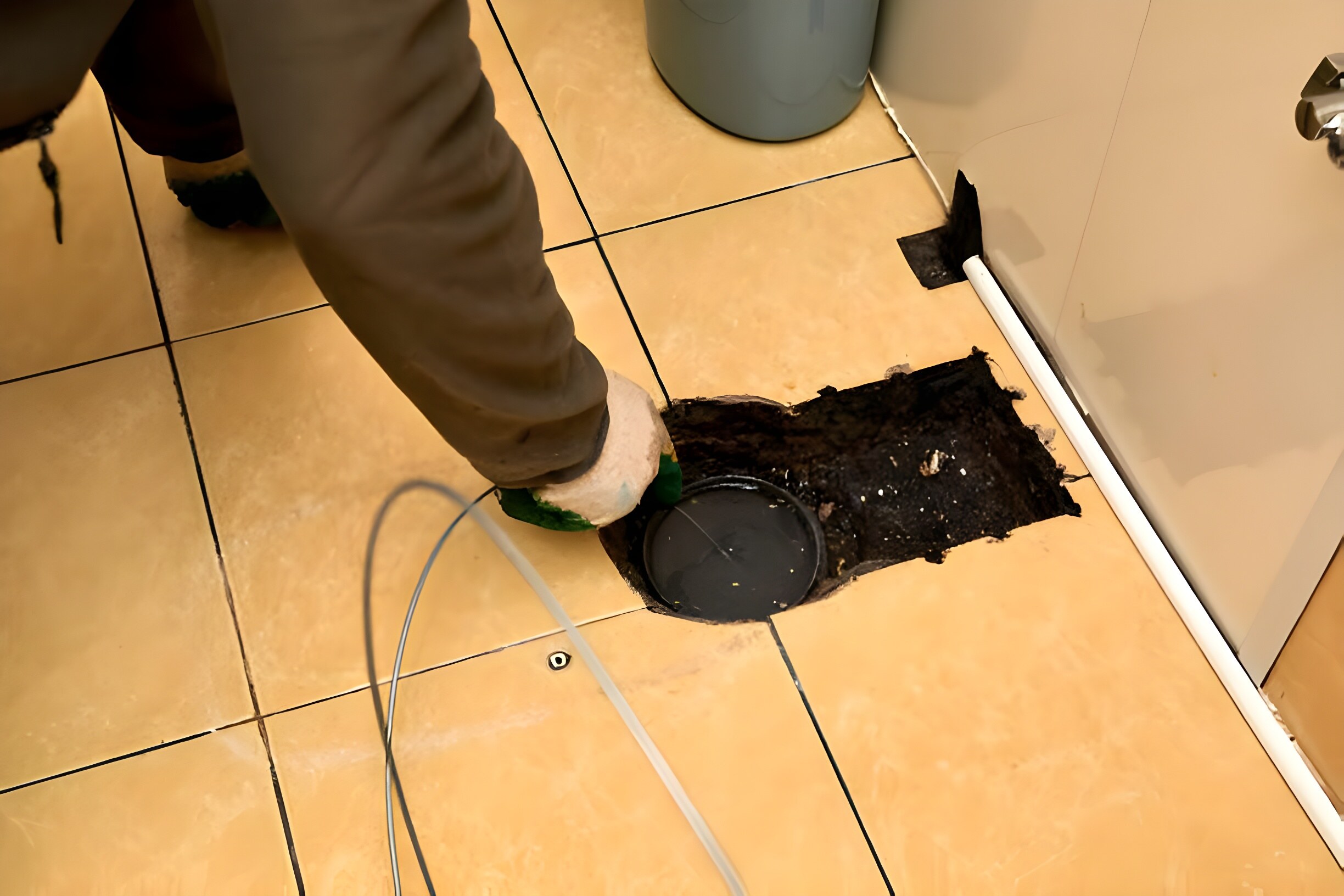
A professional video camera inspection is the most reliable first step. The camera is fed through the line and transmits high-resolution images and a location tracker so technicians can:
- Identify the exact blockage type and location (roots, grease, foreign objects)
- Detect structural issues: cracks, bellies (sags), misaligned joints, collapsed sections
- Measure pipe diameter, material, and length of the affected area
- Recommend targeted repairs instead of guesswork
Clearing blockages: hydro-jetting vs mechanical snaking
- Mechanical snaking (augering): Uses a rotating cable and cutting head to break through clogs. Best for isolated blockages and quick clearances. Less effective against grease scale and heavy root mats.
- Hydro-jetting: High-pressure water stream cleans the pipe walls, removing grease, mineral deposits, and small roots. Preferred for thorough cleaning and preventative maintenance. Requires intact pipes — not recommended if camera inspection shows significant structural damage.
Both methods can be part of a restoration plan after inspection. Hydro-jetting is more comprehensive but may be overkill for simple, isolated clogs.
Root removal and corrosion remediation
- Root cutting and removal: Mechanical cutters and targeted hydro-jetting remove roots and clear pathways. Persistent root issues may be addressed by lining or replacement.
- Chemical root control: Root-killing foams or foxtails may be used sparingly; follow-up and monitoring are essential.
- Corrosion remediation: For corroded metal pipes, relining or full replacement is usually required. Spot repairs may be possible for limited areas of damage.
Emergency response: what to look for and immediate steps
Recognize emergency signs: raw sewage backing into the home, large sinkholes, rapid multiple fixture backups, or continuous sewage odor throughout the house. Immediate steps to protect your property:
- Stop using plumbing fixtures and appliances that discharge to the affected line
- Shut off the water if advised and avoid flushing toilets
- Contain and isolate any sewage-contaminated areas to reduce exposure
- Emergency crews typically perform a rapid camera assessment and containment, then recommend the next steps for repair or replacement.
Typical timelines and factors that affect repair duration
- Camera inspection: Same day to 48 hours depending on scheduling
- Simple snaking or hydro-jetting: A few hours on-site
- Open-trench replacement: Several days to a week depending on depth, yard restoration, and permits
Timelines depend on pipe accessibility, length of damaged section, soil conditions, seasonal weather (rain can delay excavation), and local permit requirements.
Cost factors to expect (general guidance)
Costs vary based on:
- Pipe material and diameter
- Length and depth of the affected section
- Accessibility (driveways, concrete, landscaping overhead)
- Type of repair (cleaning, relining, bursting, full replacement)
- Presence of roots, heavy grease, or collapsed sections
- Need for surface restoration, permits, and disposal of contaminated materials
- An on-site inspection with a camera scan delivers the most accurate scope and estimate.
Preventative maintenance and tips to avoid future clogs
- Schedule a camera inspection every 1 to 3 years for older homes or after a major clog
- Use periodic hydro-jetting for homes with heavy grease, hard water scale, or tree-root exposure
- Avoid flushing wipes, sanitary products, or grease down drains
- Install strainers in shower and sink drains to catch hair and debris
- Keep trees and shrubs planted a safe distance from sewer lines; consult local guidelines for root-safe planting
- Monitor for early signs: slow drains, gurgling, or odors and act promptly
Warranty and liability information (what to expect)
- Material and workmanship warranties vary by repair method and manufacturer. Lining materials often carry limited-term warranties for the liner and the installation may include a workmanship guarantee.
- Liability for property damage during repair typically depends on scope and cause. Sudden failures caused by contractor work may be covered by contractor liability; preexisting deterioration is usually the homeowner responsibility.
- Homeowners should retain documentation of inspections, repair scopes, and warranties for future reference or resale disclosures.
How scheduling and inspection typically proceed
When scheduling an inspection, you will generally provide your address, describe symptoms, and note when the problem began and any recent events (e.g., heavy storms, tree work). A professional visit usually includes:
- A short walkthrough to assess visible signs
- A camera inspection to diagnose the issue precisely
- A written report with photos/video, recommended repairs, timelines, and warranty details
- A clear explanation of next steps, whether cleaning, relining, or replacement
Addressing drain and sewer line problems early avoids escalation and expensive damage. Homeowners in Chandler, IN can expect reliable diagnostics and a full range of repair options tailored to local soil, climate, and infrastructure conditions.
What Our Clients
Say About Us
Our clients consistently praise our dedication and expertise. They appreciate our commitment to meeting their needs and providing sound advice, which has fostered long-lasting relationships.

SERVICE AREAS
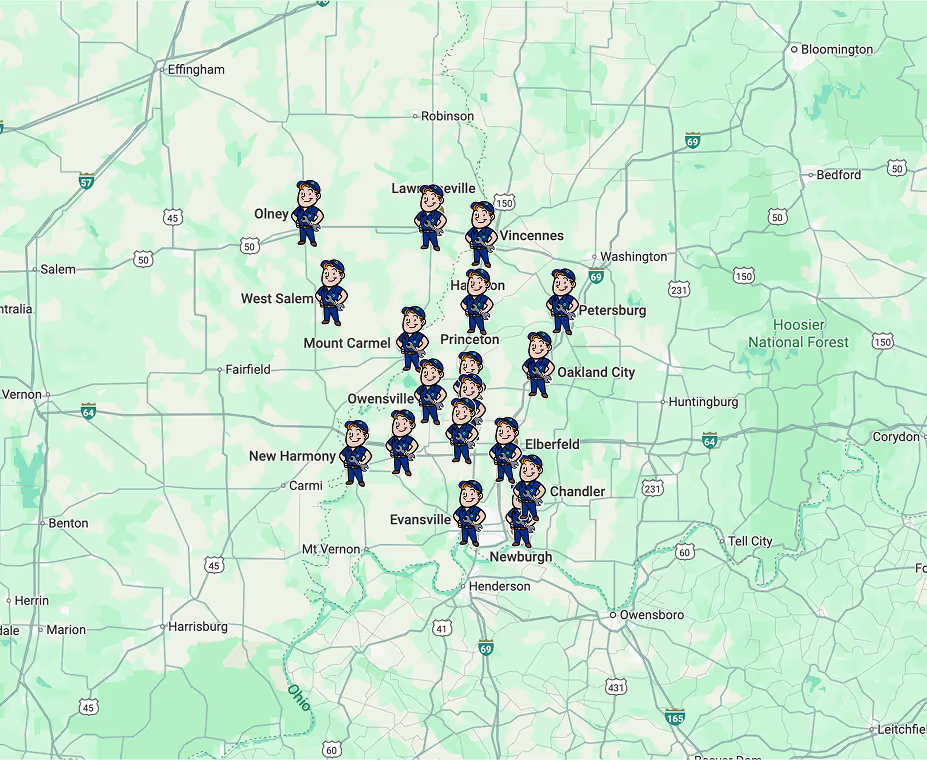
We proudly serve clients throughout our surrounding communities, delivering reliable service wherever you need us. No matter the location, our team is committed to the same high-quality results and responsive support.