Tanked Water Heater in Chandler, IN
Tanked water heater installation in Chandler, IN: learn sizing, installation steps, maintenance tips, and repair options. Learn more.

Tanked Water Heater in Chandler, IN
When you live in Chandler, IN, a reliable tanked water heater isn't just a luxury – it's absolutely essential for your comfort and daily routine. Whether you're thinking about replacing an aging unit, constantly dealing with frustrating problems, or just trying to stay on top of routine maintenance, getting a handle on how these tank systems work and what specific local factors might affect them is key. Perfect Climate Heating and Air can help you understand your options and make the best, most informed choice for your home's hot water needs.
.jpeg)
How tanked water heaters work
A conventional tanked water heater stores and keeps a large volume of water hot so it is ready on demand. Key components include:
- An insulated storage tank
- A heat source (gas burner or electric heating elements)
- A thermostat and temperature/pressure relief valve (T&P valve)
- An anode rod to reduce corrosion
The heater maintains a set temperature and reheats water as it is drawn out. This approach provides consistent supply for multiple simultaneous uses but does incur standby heat loss while water sits in the tank.
Sizing and fuel-type selection for Chandler homes
Choosing the right capacity and fuel type is critical:
- Common capacities range from 30 to 80 gallons. Typical 2-3 bedroom homes often use 40–50 gallons; larger households or frequent simultaneous uses (showers + dishwasher) may need 50–80 gallons.
- Fuel options: natural gas and electric are the most common. Many homes in the Chandler area have natural gas service, which offers faster recovery and lower operating costs in cold months. Electric heaters are simpler to install and may be preferred where gas is not available.
- Local factors: Indiana winters can cause heavier hot water demand for cleaning and laundry; consider higher recovery rates if you frequently run multiple fixtures at once.
Sizing should be based on peak hour demand and recovery rate. A professional load calculation ensures you don’t undersize (cold water runs out) or oversize (wasteful standby loss).
Typical installation steps and code considerations
Installation follows a standard process with safety and code compliance:
- Site assessment for venting, clearances, and drain access
- Disconnect and safe removal of the old unit
- Proper vent installation for gas units (type B vent or direct vent as required)
- Secure water and gas/electric connections and install a new T&P valve
- Pressure test, fill, purge air, and set thermostat per local code
- Permit inspection and final sign-off
Local permit requirements and inspection ensure safe venting, combustion air, and proper drain lines. In Chandler, follow municipal codes and utility requirements for gas connections and venting.
Common repairs in Chandler homes
Frequent tanked water heater issues include:
- Leaks from the tank or connections: often caused by corrosion, loose fittings, or failed valves
- Thermostat or heating element failure: leads to no hot water or inconsistent temperature
- Sediment buildup: common where water hardness is moderate to high; causes reduced efficiency and premature element or burner failure
- Corroded anode rod: allows tank corrosion, leading to leaks
- Faulty pressure relief valve or poorly functioning gas pilot/ignition systems
Diagnosis typically starts with a visual inspection, pressure and temperature checks, and testing thermostat/elements or gas components. Sediment-related issues often require flushing and, in some cases, element replacement or burner cleaning.
Routine maintenance to extend lifespan
Routine care significantly extends service life and improves efficiency:
- Flush the tank annually or as needed to remove sediment, more often in homes with hard water
- Inspect and replace the anode rod every 3–5 years depending on corrosion rates
- Test the T&P valve annually
- Check and adjust the thermostat; 120°F is a common recommended setting to balance scald risk and energy use
- Insulate the tank and exposed hot water pipes to reduce standby heat loss and protect against freezing in winter
- For gas units, inspect venting, combustion air, and burner operation annually
Regular maintenance prevents many common failures and preserves warranty coverage.
Energy-efficiency considerations
Tanked heaters have standby losses but can be made more efficient:
- Lower thermostat setting to 120°F
- Add an insulation blanket to older tanks
- Reduce hot water demand with low-flow fixtures and efficient appliances
- Consider high-efficiency gas models with better insulation and lower standby loss
Utility rebates and regional energy programs may be available for upgrading to higher-efficiency models. In cooler months in Southern Indiana, minimizing standby loss and ensuring proper insulation yields noticeable energy savings.
Tanked vs tankless: pros and cons for Chandler homes
Tanked water heaters
- Pros: Lower upfront cost, simpler installation for many homes, reliable supply for heavy simultaneous demand
- Cons: Larger footprint, standby heat loss, shorter typical lifespan than some tankless units
Tankless water heaters
- Pros: On-demand hot water, smaller footprint, higher energy efficiency for certain usage patterns
- Cons: Higher installation cost, may require gas line or electrical upgrades, limited flow rate for simultaneous fixtures
For many Chandler households with occasional high simultaneous demand or where initial cost and simplicity are priorities, a well-sized tanked heater remains a practical choice.
Warranty and responsible disposal
- Warranties on residential tanked units commonly range from 6 to 12 years for the tank, with shorter coverage on parts. Understand prorated vs non-prorated terms and keep service records to preserve coverage.
- When replacing a unit, proper disposal is important. Water heaters contain recyclable metals and may have components that require special handling. Recycling through local facilities or coordinated removal ensures compliance with municipal guidelines and reduces environmental impact.
Financing and emergency repair availability
- Replacement and major repairs vary by scope and often have financing options through lenders, contractor payment plans, or manufacturer programs. Utility rebates and seasonal incentives may also offset upgrade costs. Because pricing varies widely, homeowners typically review options based on the specific unit and job requirements.
- Emergency repair service is commonly available in the region for issues like severe leaks, no hot water during cold periods, or failed pressure relief valves. Prompt response minimizes property damage and restores hot water quickly.
Understanding how a tanked water heater functions, how to size and fuel-match a unit for your home, and the importance of regular maintenance helps Chandler homeowners maximize reliability and lifespan. Addressing sediment, anode condition, thermostat performance, and proper venting protects your investment and keeps hot water available through Indiana’s seasonal extremes.
What Our Clients
Say About Us
Our clients consistently praise our dedication and expertise. They appreciate our commitment to meeting their needs and providing sound advice, which has fostered long-lasting relationships.

SERVICE AREAS
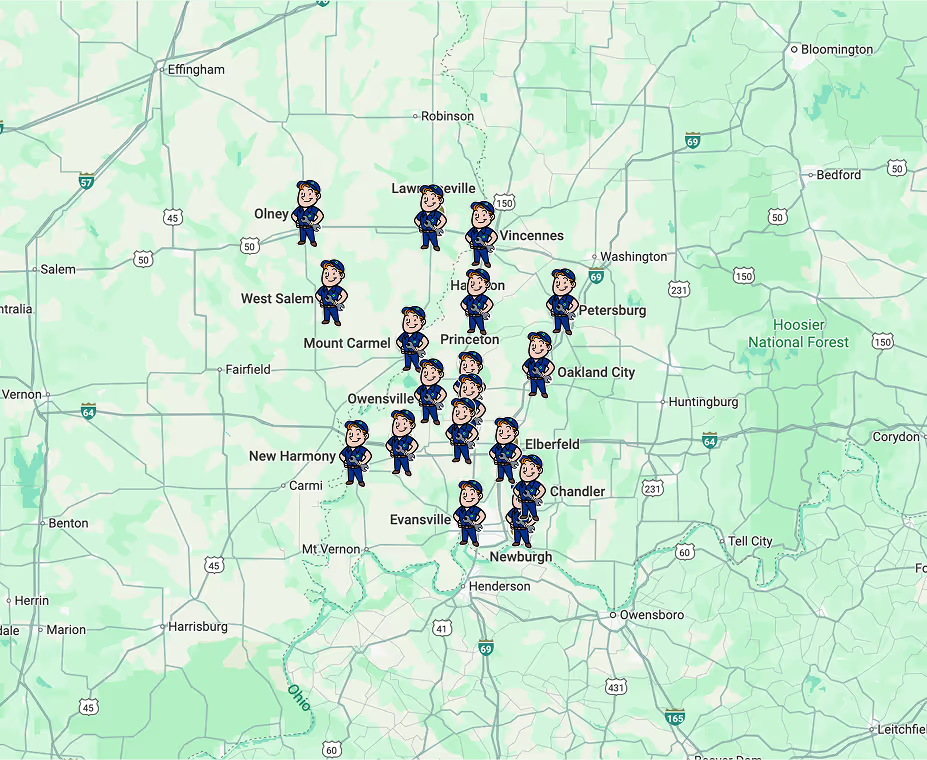
We proudly serve clients throughout our surrounding communities, delivering reliable service wherever you need us. No matter the location, our team is committed to the same high-quality results and responsive support.