Drain and Sewer Line in Hazleton, IN
Drain and sewer line repair services in Hazleton, IN. Schedule a fast diagnostic and protect your home from backups.

Drain and Sewer Line in Hazleton, IN
Your home's drain and sewer system might be out of sight, but it's incredibly important. Here in Hazleton, IN, we know that things like our seasonal freeze-thaw cycles, heavy spring downpours, and older pipes can really increase the chances of blockages, sneaky tree roots, and even pipe failures. At Perfect Climate Heating and Air, we're here to walk you through everything you need to know about drain and sewer line services for Hazleton homes and businesses. We'll cover how we figure out what's wrong, the reliable repair options we offer, what to do in an emergency backup, realistic timelines, any permits needed, and smart maintenance tips to save you money down the road. You can trust Perfect Climate Heating and Air to keep things flowing smoothly.
Common drain and sewer line issues in Hazleton, IN
Understanding what typically goes wrong helps you choose the right solution faster. Common causes of sewer and drain problems in Hazleton homes include:
- Tree root intrusion from large yard trees seeking moisture in joints of older clay or cast iron pipe.
- Grease, paper products, and foreign objects building up in household drains and laterals.
- Ground shifting and freeze-thaw cycles that misalign or crack pipes.
- High groundwater or stormwater infiltration during heavy rains causing surcharge and backups.
- Corrosion or collapse of older materials (clay, cast iron, or early PVC).
Symptoms to watch for:
- Slow drains in multiple fixtures or gurgling toilets.
- Sewage odors in the yard or basement.
- Surface pooling or soggy areas near the sewer cleanout.
- Recurrent clogs despite snaking or chemical treatments.
How modern diagnostics work: camera inspection and testing
Accurate diagnosis prevents unnecessary excavation. Key diagnostic steps include:
- Visual inspection of cleanouts and accessible drains.
- Closed-circuit camera (CCTV) inspection of the sewer lateral and main line to locate blockages, root intrusion, cracks, offsets, collapses, and material type.
- Dye testing and smoke testing when source of infiltration or cross-connection is unclear.
- Video documentation and a written report with findings and recommended repairs.
Camera inspection is the single most important first step. It pinpoints the location and severity of the issue helps estimate repair scope and timeline.
Clog removal and hydro-jetting
For blockages caused by grease, scale, or roots, two primary approaches are used:
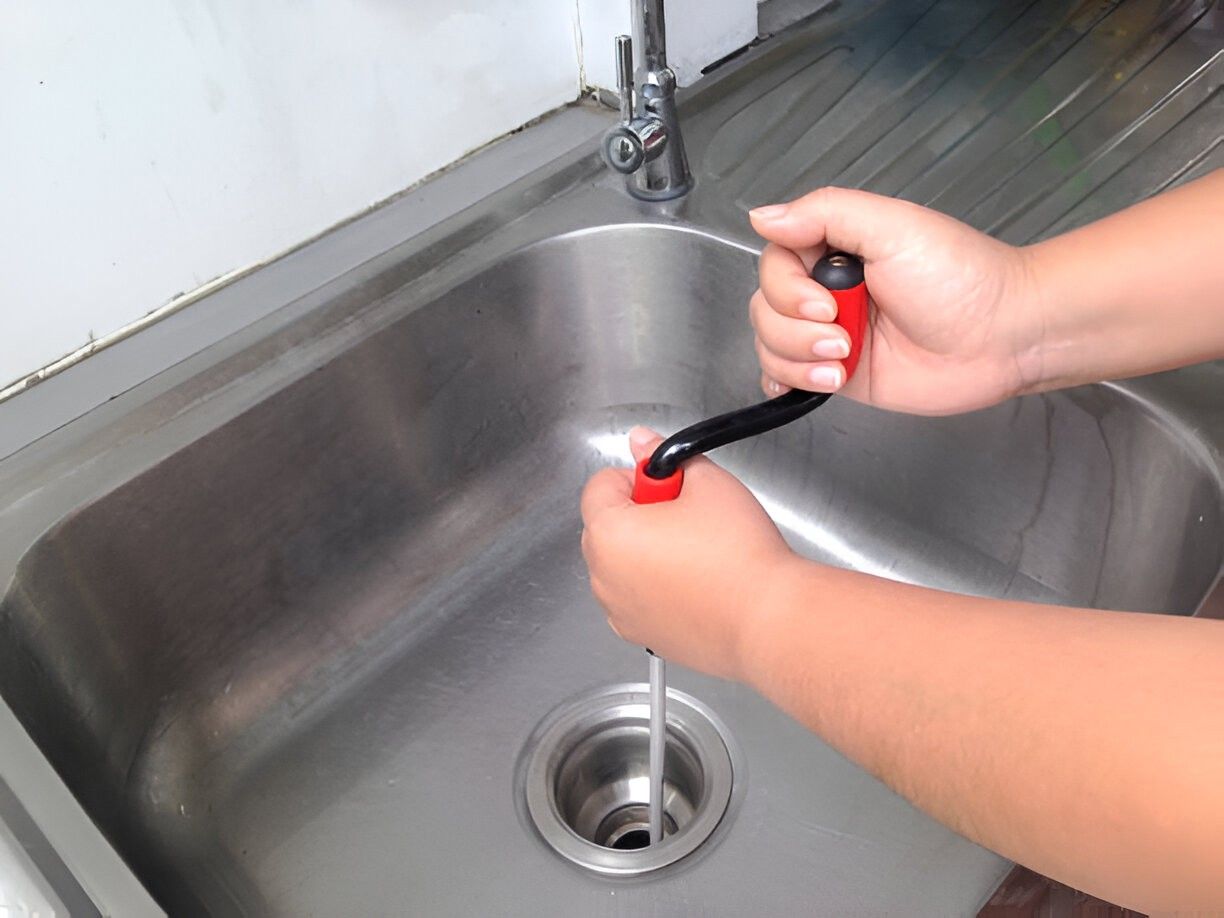
- Mechanical snaking (augering): effective for straightforward hair, soap, or simple obstructions. Fast but may not remove embedded grease or roots.
- Hydro-jetting: high-pressure water cleaning that scours pipe walls to remove grease, mineral scale, and small roots. Best for preventive cleaning and restoring pipe capacity.
Hydro-jetting is often recommended for older lines with recurring clogs because it cleans the entire circumference of the pipe, reducing immediate recurrence. Camera follow-up after hydro-jetting confirms results.
Emergency response for backups
Sewer backups are health hazards and require immediate attention. Emergency protocols typically include:
- Immediate assessment of backup source through cleanout access.
- Temporary measures to limit flow to the affected line (e.g., turning off certain fixtures).
- Rapid camera inspection to identify the cause.
- Priority clog removal or temporary fixes to stop continued backup.
- Follow-up permanent repair plan.
Technicians prioritize safety, sanitation, and containment during emergency service, and document findings for any needed repairs or insurance claims.
Timelines and cost factors (what to expect)
Typical timelines (subject to site conditions and permitting):
- Camera inspection and diagnostic report: same day to 24-48 hours after scheduling.
- Clog removal or hydro-jetting: same day to one day, depending on severity.
- Full open-trench replacement: usually 2 to 5 days for typical residential jobs; larger properties or complex access can extend this.
Cost considerations (no pricing listed here) depend on:
- Length and material of the damaged line.
- Severity and type of damage (simple clog vs collapsed pipe).
- Accessibility and landscaping restoration needs.
- Need for permits or coordination with municipality.
- Equipment and materials required (e.g., CIPP resin, new pipe material).
A clear CCTV report lets you compare options and choose the long-term solution that best fits your property and budget.
Permits, codes, and ownership responsibilities
Permitting and code compliance vary by jurisdiction. Key points:
- Full replacements often requires a permit and inspection by the local municipality or county.
- Setbacks, restoration standards, and required inspection points are governed by local building and plumbing codes.
- Ownership of the sewer lateral commonly falls to the property owner from the house to the public sewer main; confirm with your local utility or county.
- Work must meet applicable standards for materials, depths, and connections to avoid future liability or failed inspections.
Documented permit pulls and inspection reports provide peace of mind and are essential when selling a property.
Warranties, guarantees, and documentation
Warranties differ by repair type:
- Workmanship warranties typically cover labor for a stated period.
- Material or product warranties cover liners, pipe, or components and vary by manufacturer.
- Video documentation and written reports are standard deliverables, useful for warranty claims or future inspections.
Always request written warranty terms and a copy of the CCTV before and after repair.
Preventative maintenance and tips for Hazleton homeowners
Regular care extends the life of your sewer system:
- Schedule periodic camera inspections, especially for older properties or if there are large trees nearby.
- Avoid pouring grease, coffee grounds, and fibrous materials down kitchen drains.
- Use drain screens and avoid flushing wipes, diapers, or sanitary products.
- Maintain trees at a safe distance from sewer lines and consider professional root management rather than household chemicals.
- Consider scheduled hydro-jetting for homes with recurring slow drains or heavy grease use.
A proactive maintenance plan reduces emergency repairs and preserves property value in Hazleton neighborhoods where older infrastructure and seasonal weather can accelerate pipe wear.
What Our Clients
Say About Us
Our clients consistently praise our dedication and expertise. They appreciate our commitment to meeting their needs and providing sound advice, which has fostered long-lasting relationships.

SERVICE AREAS
We proudly serve clients throughout our surrounding communities, delivering reliable service wherever you need us. No matter the location, our team is committed to the same high-quality results and responsive support.