Water Filtration in Hazleton, IN
Water Filtration Hazleton, IN: testing and system recommendations (RO, whole-home, softening) with professional installation—learn more

Water Filtration in Hazleton, IN
In Hazleton, IN, we know that clean, reliable water is truly essential for your health, the smooth operation of your appliances, and just overall daily comfort. Whether your home uses municipal water or a private well, water quality can fluctuate quite a bit with the seasons and even from one neighborhood to another. That’s where Perfect Climate Heating and Air comes in. We’re here to help you navigate everything from water testing and understanding contaminant analysis to comparing different filtration system types – like whole-home solutions, point-of-use filters, reverse osmosis, or water softening. We’ll outline exactly how to pick and size the perfect system for your needs, ensure professional installation, discuss ongoing maintenance, and even go over all the important certifications and guarantees that matter to Hazleton homeowners. We want you to feel confident in your water.
Why water filtration matters in Hazleton, IN
Many Hazleton area homes face common local water challenges: hard water from mineral-rich soils, iron and manganese that cause staining and metallic tastes, agricultural runoff that can introduce nitrates, and occasional bacterial contamination in older private wells. Hard water shortens the life of water heaters and dishwashers and makes soap less effective. Even municipal water can carry chlorine taste or trace contaminants. Addressing these issues with the right water filtration solution protects your family and your investment in home systems.
Common water problems in Hazleton homes
- Cloudy or discolored water (iron, manganese, sediment)
- Metallic or sulfur-like tastes and odors
- Visible staining on fixtures and laundry
- Scale buildup on appliances and plumbing (hardness)
- Low water pressure caused by sediment or rust
- Elevated nitrates or bacteria in private wells
- Chlorine or chloramine taste from municipal treatment
Water testing and contaminant analysis
Proper system selection starts with testing. A comprehensive analysis usually includes:
- Basic parameters: pH, hardness, total dissolved solids (TDS), chlorine
- Metals: iron, manganese, lead
- Nutrients and agricultural contaminants: nitrates, nitrites
- Microbial testing: total coliform and E. coli for wells
- Organic contaminants and VOCs if local industrial or agricultural sources suggest risk
Testing options include certified lab testing of a water sample and in-home field tests for immediate indicators. For private wells, annual testing is recommended; municipal users should test if they notice changes in taste, odor, or color.
Comparison of system types
Whole-home filtration (point-of-entry)
- Treats all water entering the house: plumbing, showers, laundry.
- Typically combines sediment removal, carbon filtration for taste/odor, and specific media for iron or sulfur.
- Best for protecting appliances and addressing widespread problems like sediment or iron.
Point-of-use systems
- Installed at a single tap (kitchen sink or refrigerator).
- Effective for drinking and cooking needs, especially when only potable water needs enhancement.
- Lower upfront cost but does not protect appliances or showers.
Reverse osmosis (RO)
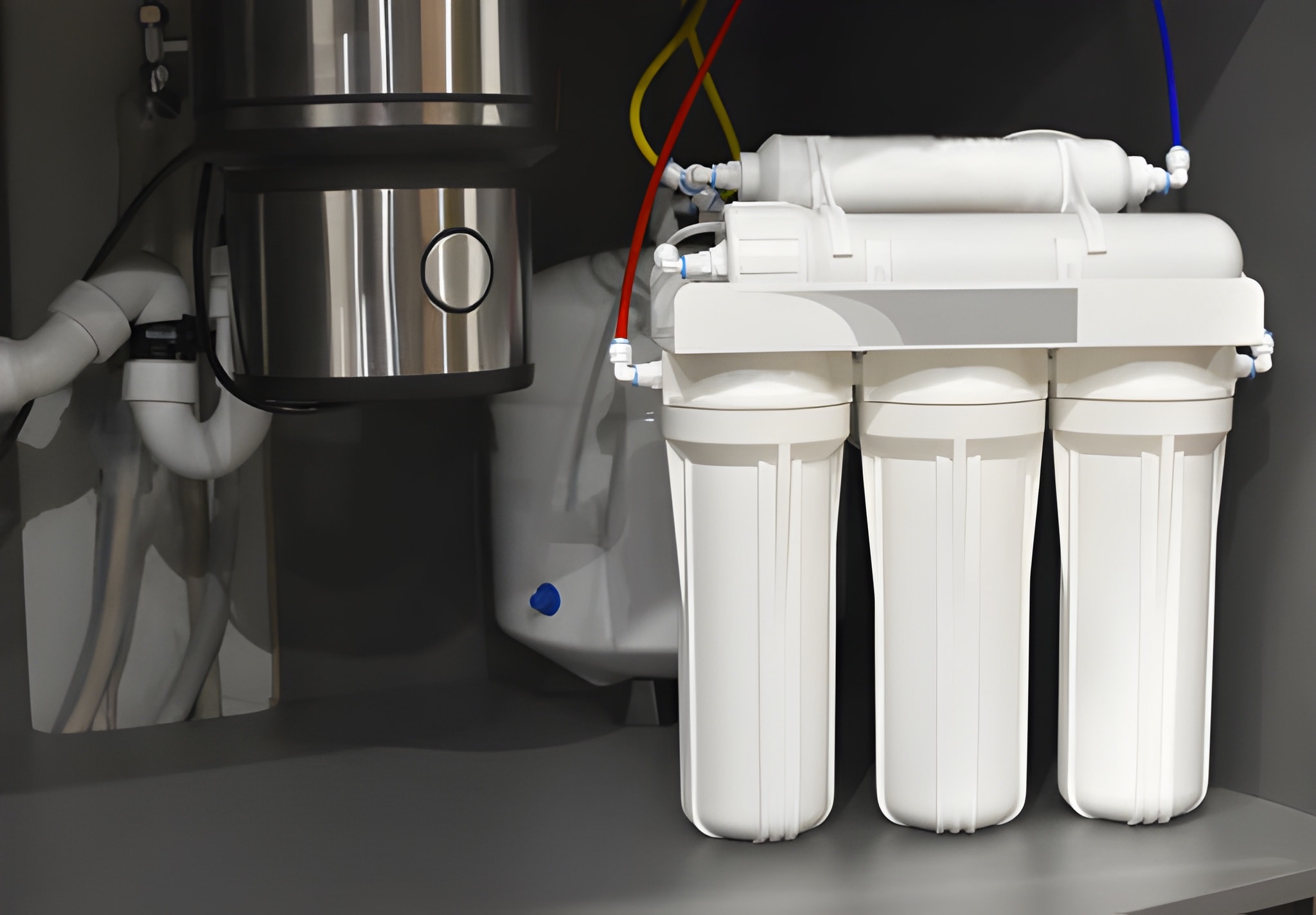
- Multi-stage system that removes dissolved minerals, salts, heavy metals, and many contaminants.
- Commonly used at kitchen sinks for high-purity drinking water.
- Produces wastewater and requires periodic membrane replacement.
Water softening (ion exchange)
- Targets hardness minerals (calcium and magnesium) to prevent scale buildup.
- Improves soap performance and extends appliance life.
- Does not remove iron, bacteria, or many other contaminants on its own, though combined systems can.
Selecting the right system and sizing
Choosing the right filtration approach depends on:
- Source: municipal vs private well
- Primary contaminants identified in testing
- Household size and peak flow needs (showers, laundry, irrigation)
- Plumbing layout and space for equipment
- Long-term priorities: appliance protection vs drinking-water purity
Sizing considerations:
- Whole-home systems are rated by flow rate (gallons per minute). Match system capacity to the highest expected simultaneous flow (e.g., multiple showers plus laundry).
- Filter capacities are rated in gallons or contaminant reduction before replacement is needed. Estimate household daily water usage to determine replacement frequency.
- For RO systems, consider tank size and daily production rate to meet drinking-water demand.
Professional installation steps
A professional installation ensures correct integration with your plumbing, code compliance, and warranty preservation. Typical steps include:
- Pre-install evaluation: review test results, measure space, confirm water pressure and plumbing access.
- Prepare the site: install shutoff and bypass valves, ensure a drain line where needed for RO systems.
- Equipment placement: mount filtration tanks, housings, and control heads in a dry, accessible area.
- Plumbing connections: make secure connections to the incoming water line and add a dedicated line for point-of-use units if required.
- Commissioning: flush systems, adjust settings (softener regeneration schedule, automatic backwash cycles), and verify flow rates and water quality.
- Documentation: provide test-before and test-after results, system specifications, and maintenance schedule.
Maintenance and cartridge replacement schedules
Routine maintenance keeps performance consistent and protects warranties. Typical schedules:
- Sediment prefilters: replace every 3 to 6 months or sooner if turbidity is high
- Granular or carbon filters: replace every 6 to 12 months depending on use and contaminant load
- Reverse osmosis membranes: inspect annually; replace when TDS rebound or production declines, commonly every 2 to 5 years
- Water softener resin: typically lasts 10 to 15 years; check annually for salt efficiency and clean as needed
- Iron or specialty media: follow manufacturer guidance and test for breakthrough
- Annual water test after installation and periodic checks after heavy rain events or agricultural seasons
Keep a maintenance log with replacement dates and test results to optimize schedules for your household and local water conditions.
Health, appliance protection, and practical benefits
- Health: Removing pathogens, nitrates, lead, and other contaminants reduces exposure risks, especially for infants, pregnant people, and those with compromised immune systems.
- Appliance and plumbing protection: Reducing hardness, sediment, and iron prevents scale, clogging, and corrosion that shorten the life of water heaters, dishwashers, and washing machines.
- Better cleaning and lower detergent use: Softer water improves soap performance and reduces spotting on dishes and glass.
- Taste and odor improvements: Carbon filtration and RO systems improve drinking water quality and make tap water more palatable.
Certifications, guarantees, and financing considerations
Look for systems and installers with recognized certifications that indicate independent testing and quality:
- NSF/ANSI standards: 42 (taste and odor), 53 (health-related contaminant reduction), 58 (reverse osmosis)
- WQA Gold Seal certification for components and media
- Local plumbing license and adherence to municipal or county code for installations
Manufacturers commonly provide component warranties and installers often offer workmanship guarantees. Many homeowners also have financing or payment plan options available through local providers or manufacturer programs to spread costs over time. When evaluating proposals, consider total lifecycle cost: initial equipment and installation, ongoing filter and membrane replacements, and expected energy or water use associated with the system.
What Our Clients
Say About Us
Our clients consistently praise our dedication and expertise. They appreciate our commitment to meeting their needs and providing sound advice, which has fostered long-lasting relationships.

SERVICE AREAS
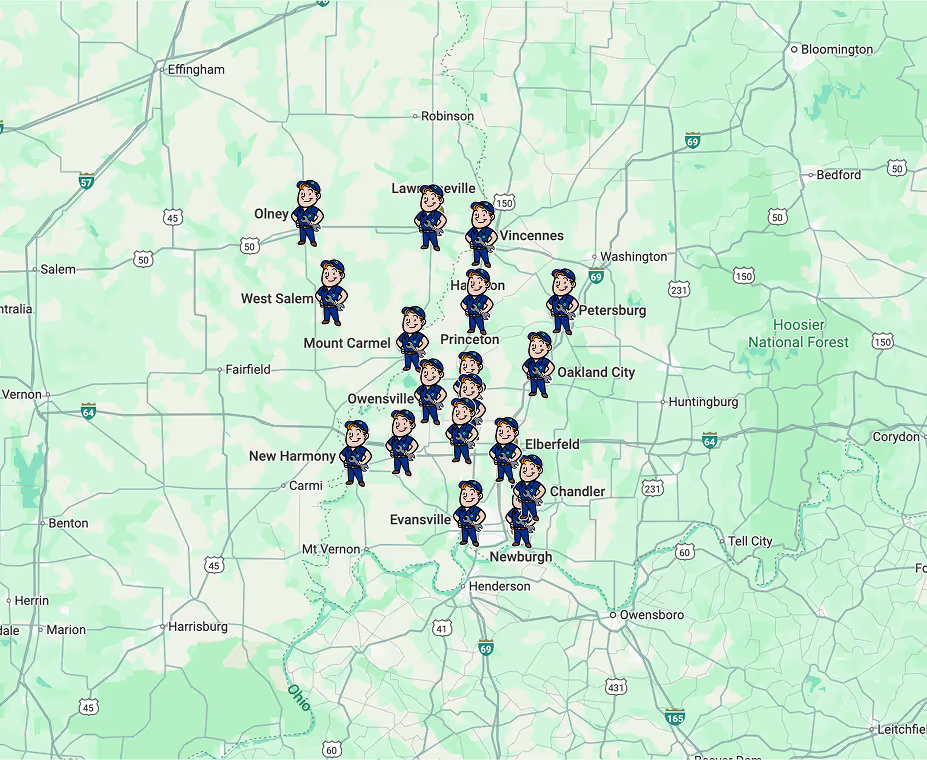
We proudly serve clients throughout our surrounding communities, delivering reliable service wherever you need us. No matter the location, our team is committed to the same high-quality results and responsive support.