AC Installation in Lawrenceville, IL
AC installation in Lawrenceville, IL: full process details from consultation to commissioning and warranties, plus financing options. Learn more.

AC Installation in Lawrenceville, IL
For homeowners in Lawrenceville, IL, investing in a new or upgraded air conditioning system is a smart move. Our summers are known for being hot and humid, and a perfectly sized, energy-efficient AC unit is key to maintaining comfortable indoor temperatures while keeping those pesky energy bills in check. At Perfect Climate Heating and Air, we want you to feel confident in your decision. We're here to guide you through every step of the AC installation process, from your initial consultation and precise load calculations to commissioning your new system, understanding warranties, exploring financing options, and learning about post-installation care. Our goal is to ensure you make an informed choice that's perfectly tailored for Lawrenceville homes and our local climate.
.jpeg)
Why a tailored AC installation matters in Lawrenceville, IL
- Hot, humid summers increase cooling load and require systems that handle latent (moisture) and sensible (temperature) cooling.
- Many local homes have older ductwork or mixed heating systems; compatibility and airflow optimization are critical.
- Oversized or undersized systems cause short cycling, higher energy bills, and poor humidity control—common problems in this region.
Common AC installation types and issues in Lawrenceville, IL
- Central split systems matched to existing ductwork
- Heat pump systems for combined heating and cooling in milder homes
- Ductless mini-split systems for additions, older homes without ducts, or zoning
- Common installation challenges: undersized ductwork, restricted return air, inadequate condensate drainage, and mismatched outdoor/indoor components
Initial consultation and professional load calculations
A thorough installation begins with an on-site consultation and a building-specific load calculation. Key steps include:
- Inspecting the home layout, insulation, window orientation, and attic conditions
- Measuring existing duct sizes, register locations, and airflow restrictions
- Performing a Manual J load calculation to determine the correct system capacity (not just relying on square footage)
- Reviewing occupant comfort preferences, room-by-room needs, and future plans like additions or finished basements
Accurate load calculations prevent common mistakes like oversizing (leading to poor humidity control) or undersizing (insufficient cooling during peak Lawrenceville heat).
Selecting energy-efficient systems and compatible indoor equipment
Choosing the right system requires balancing efficiency, comfort, and long-term operating cost:
- SEER and HSPF ratings: Higher SEER ratings mean greater cooling efficiency. For Lawrenceville’s climate, systems with good SEER and robust dehumidification capability are beneficial.
- Matched components: Outdoor unit, indoor coil, and air handler/furnace must be matched for performance and warranty coverage.
- Duct considerations: Upgrading or sealing ductwork improves efficiency and distribution. Consider return air improvements and proper register balancing in older homes.
- Thermostats and zoning: Smart thermostats and zoning dampers can cut bills and improve comfort for multi-level or unevenly occupied homes.
System types:
- Central split systems for whole-house comfort
- Heat pumps for homes seeking efficient heating and cooling in moderate climates
- Ductless mini-splits for rooms without ducts or for targeted zoning
Step-by-step installation process
- Finalize system selection and verify all parts and components are on site.
- Pull necessary permits and schedule inspections per local code.
- Safely disconnect and remove the old equipment, reclaiming refrigerant according to regulations.
- Prepare the mounting locations: level pad for outdoor unit, secure indoor air handler or coil placement, and ensure proper clearances for airflow and servicing.
- Install matched indoor coil and air handler or furnace connection; run refrigerant lines and drain lines with correct slope and insulation.
- Connect electrical service, conduit, and line-voltage wiring following code requirements.
- Seal and test duct connections, adjust airflow, and install or upgrade return air if needed.
- Evacuate the refrigerant lines and charge the system to manufacturer specifications.
- Verify thermostat compatibility and program control settings appropriate for Lawrenceville seasonal needs.
Permits, code compliance, and inspections
Permits ensure installations meet state and local building and mechanical codes. Typical requirements include:
- Mechanical and electrical permits for system replacement or new installations
- Proper refrigerant handling certifications and documentation
- Final inspection and sign-off by local code officials
Compliance helps protect warranties and reduces liability while ensuring safe operation in your home.
Testing, commissioning, and warranties
Thorough commissioning confirms the system operates as intended:
- Verify correct refrigerant charge and compressor operation
- Measure airflow, static pressure, and temperature split across the coil
- Test condensate drainage and overflow protection
- Calibrate thermostat controls and check any zoning or smart system integration
- Manufacturer warranties typically cover major components such as compressors and coils; warranty length varies by model and often requires proper installation and registration. In addition to manufacturer coverage, many installations include a labor warranty for a defined period.
Financing options and incentives
Lawrenceville homeowners can often access flexible financing options to spread installation costs. Additionally:
- Local utility rebates and energy-efficiency incentives may be available for high-efficiency systems
- State or federal incentives sometimes apply to specific equipment types or whole-home efficiency upgrades
- Financing choices and incentives change frequently; combining them with system efficiency choices can significantly reduce long-term operating cost
Post-installation support and maintenance recommendations
Regular maintenance preserves warranty eligibility and extends system life—especially important in humid Indiana summers:
- Schedule biannual tune-ups: pre-summer cooling check and pre-winter heating check if a heat pump or furnace is part of the system
- Replace air filters regularly and consider higher-efficiency filters where compatible
- Have ductwork inspected and sealed every few years or when remodeling
- Monitor condensate lines and secondary drain systems to avoid water damage in humid months
- Enroll in a preventive maintenance plan for priority service and documented tune-ups
Benefits of a properly installed AC system in Lawrenceville, IL
A correctly sized and installed AC system delivers predictable comfort, lower energy costs, and better humidity control during hot summers. It reduces wear and tear, minimizes unexpected breakdowns, and protects indoor air quality through proper airflow and filtration. When installation follows professional load calculations, matched components, permit processes, and sound commissioning, homeowners enjoy reliable performance and extended equipment life.
What Our Clients
Say About Us
Our clients consistently praise our dedication and expertise. They appreciate our commitment to meeting their needs and providing sound advice, which has fostered long-lasting relationships.

SERVICE AREAS
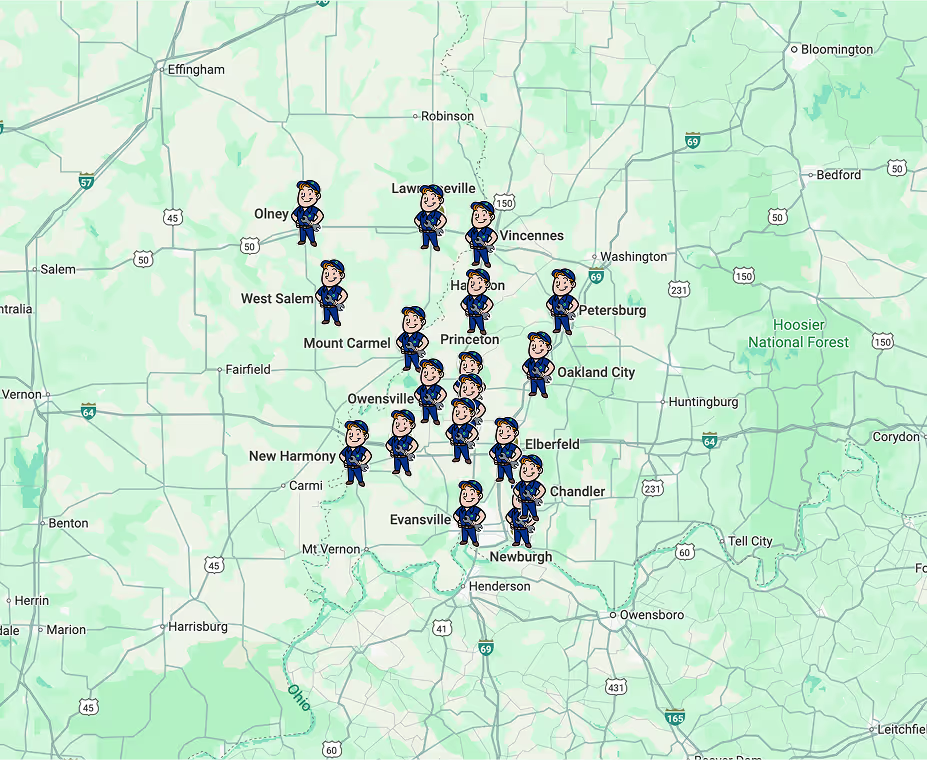
We proudly serve clients throughout our surrounding communities, delivering reliable service wherever you need us. No matter the location, our team is committed to the same high-quality results and responsive support.