AC Replacement in Lawrenceville, IL
AC replacement in Lawrenceville, IL: learn when to repair vs replace, review energy savings, rebates, financing, and what to expect during installation.

AC Replacement in Lawrenceville, IL
Replacing an aging air conditioner is a big decision for homeowners in Lawrenceville, IL. With our hot, humid summers and older homes, your cooling system really works overtime every season. At Perfect Climate Heating and Air, we understand this challenge. That's why we're here to walk you through everything: from deciding between repair and a new AC, to what our professional replacement process involves for Lawrenceville homes. We'll discuss expected energy savings, cost considerations, local issues, available rebates, financing, the timeline, warranty details, and practical tips for choosing the perfect system size and features for your home.
.jpeg)
When to repair and when to replace an AC
Deciding between repair and replacement comes down to age, frequency of breakdowns, repair cost versus remaining life, and efficiency.
- Age: Most central air systems last 12 to 15 years. If your unit is older than this, replacement is usually the more economical long-term choice.
- Repair frequency: Multiple repair visits in a single season indicate the system is near end of life. Replacing a system that needs frequent parts and labor is often cheaper over time.
- Repair cost rule of thumb: If a single repair costs more than 50% of a new system component (compressor, coil) and your unit is over 10 years old, replacement is typically better.
- Efficiency and comfort: If home comfort problems persist after repairs (uneven cooling, high humidity, skyrocketing bills), a new properly sized system can resolve issues and reduce operating costs.
- R-22 refrigerant phase-out: Older systems using R-22 (Freon) are becoming more expensive to recharge. That can push replacement sooner.
Common AC replacement issues in Lawrenceville, IL homes
Lawrenceville homeowners face some specific patterns that make replacement the preferred solution:
- High indoor humidity and poor dehumidification from single-speed systems
- Rising electric bills during long, humid summers due to low SEER efficiency
- Leaky or undersized ductwork common in older homes, reducing effective capacity
- Corrosion or rust on outdoor units from summer storms and winter moisture
- Systems unable to keep up with load due to home renovations or added insulation
AC replacement process — what to expect
A professional, full-service replacement follows clear steps to protect performance and efficiency.
- Site evaluation and load calculation
- Technician performs a Manual J load calculation to size the system for your Lawrenceville home. This considers square footage, orientation, insulation, windows, and local climate. Proper sizing prevents short cycling and poor humidity control.
- Equipment selection
- Options include high-efficiency central air, heat pumps, or ductless mini-splits. Selection looks at SEER rating, matched indoor coil and blower, compressor stages (single, two-stage, variable), and features for humidity control. Local humidity patterns in Lawrenceville make systems with dehumidification capability a priority.
- Duct inspection and modifications
- Ductwork is evaluated for leaks, insulation, and sizing. Sealing or minor modifications are often recommended to realize full efficiency gains.
- Permits and scheduling
- Necessary permits and inspections are handled where required. Scheduling accommodates weather and homeowner availability.
- Removal and disposal of the old unit
- Old equipment is removed with proper refrigerant recovery and disposal according to environmental regulations.
- Installation and startup
- New equipment is installed, refrigerant lines evacuated and charged, electrical and thermostat connections completed.
- Performance testing and instruction
- The system is tested for proper airflow, temperature split, refrigerant charge, and thermostat calibration. Homeowners receive basic operation and maintenance guidance.
Expected energy savings and cost comparison
Upgrading from an older 8–10 SEER system to a modern 14–18+ SEER unit can reduce cooling energy use substantially. Typical improvements vary with usage and home efficiency factors:
- Upgrades often yield 20% to 40% lower cooling energy use versus low-efficiency units, especially important with Lawrenceville’s prolonged humid heat.
- Savings depend on proper sizing, ductwork condition, and thermostat control. Combining a high-SEER unit with duct sealing and programmable or smart thermostats maximizes savings.
- Consider lifetime operating cost, not just up-front price—lower operating costs and potential rebates can shorten payback time.
Rebates and financing in the Lawrenceville area
Various incentives can lower out-of-pocket cost. In this market you may find:
- Utility company rebates or seasonal incentives for high-efficiency equipment
- Manufacturer or dealer promotions and seasonal rebate programs
- Federal or state energy tax credits for qualifying systems (subject to current rules)
- Financing options including low-interest or interest-free plans to spread payments
Availability and amounts change frequently. Homeowners should confirm eligibility and documentation requirements before purchase to capture potential savings.
Timeline and disruption expectations
Typical residential replacements are completed in one workday for straightforward like-for-like swaps, often 4 to 8 hours. Variables that extend time:
- Significant ductwork repairs or replacement
- Converting from air conditioner to heat pump or installing new indoor air handlers
- Electrical panel upgrades or additional permitting inspections
- Weather-related delays
Installers generally protect flooring, work neatly, and leave the site clean. Expect some noise during removal and installation and temporary interruptions to cooling and power circuits.
Warranty and performance testing
New systems include manufacturer warranties on compressors and parts; labor warranties vary. Insist on documented start-up checks:
- Proper refrigerant charge and operating pressures
- Measured temperature split across the evaporator (typical target 15–20°F)
- Airflow and static pressure checks
- Electrical safety and thermostat calibration
- Written warranty terms for equipment and any installation labor
Documented performance testing ensures the system meets expected capacity and efficiency and protects warranty coverage.
Tips for choosing the right size and features
- Require a Manual J load calculation rather than a rule-of-thumb sizing. Oversized units short-cycle and fail to control humidity.
- Choose matched systems (outdoor unit and indoor coil) for best performance.
- Consider variable-speed or two-stage compressors for better humidity control and quieter operation in Lawrenceville’s humid summers.
- Look for efficient blower motors (ECM) to improve part-load efficiency.
- Evaluate advanced filtration, UV air treatment, or smart controls if indoor air quality is a concern.
- Address ductwork first—sealed, insulated ducts often deliver more value than a higher-SEER condenser alone.
What Our Clients
Say About Us
Our clients consistently praise our dedication and expertise. They appreciate our commitment to meeting their needs and providing sound advice, which has fostered long-lasting relationships.

SERVICE AREAS
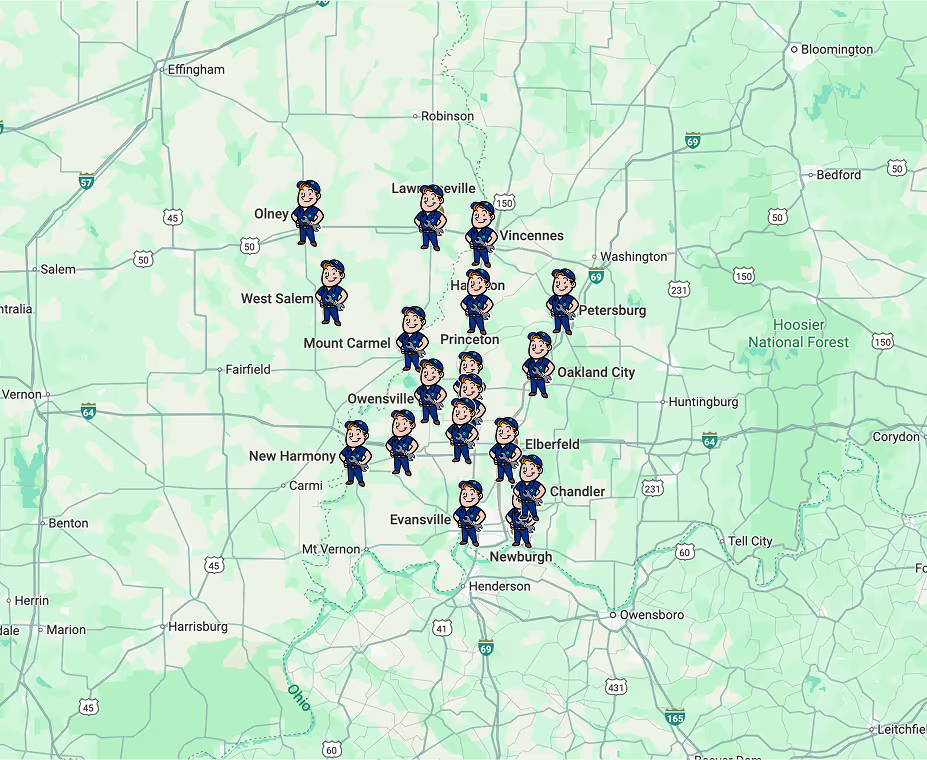
We proudly serve clients throughout our surrounding communities, delivering reliable service wherever you need us. No matter the location, our team is committed to the same high-quality results and responsive support.