Furnace Repair in Olney, IL
Professional furnace repair in Olney, IL. Learn how we diagnose and repair your heating system with fast, reliable service. Learn more.

Furnace Repair in Olney, IL
In Olney, IL, your furnace isn't just an appliance; it's the heart of your home's comfort, especially when winter hits hard. When those temperatures plummet and your heating system is working overtime, even a minor issue can quickly turn your home cold, drive up energy bills, or even pose safety risks. Here at Perfect Climate Heating and Air, we're dedicated to explaining everything clearly. We'll walk you through common furnace problems, detail our step-by-step diagnostic and repair process, discuss typical response times including emergency services, and outline what you can expect for pricing and warranties. We even share practical maintenance tips specifically for Olney's local conditions, empowering you to make the best decision for your home.
.jpeg)
Why timely furnace repair matters in Olney, IL
Olney experiences cold winters with freezing nights and occasional snow, which puts heavy seasonal demand on furnaces. Older homes and remotely located properties in the county often have aging systems or propane setups that require different service approaches than urban natural-gas systems. Delaying repairs increases wear, raises heating costs, and can lead to complete system failure at the worst time. Fast, accurate repairs restore comfort and improve efficiency while protecting safety components like flame sensors and venting.
Common furnace problems in Olney, IL homes
Here are the frequent issues technicians find during winter service calls in this region:
- Ignition and pilot failures — Electronic igniters or standing pilots that fail to light are a leading cause of no-heat calls. Cold cycling and dirty components often trigger failures.
- Blower motor faults — Worn bearings, failing capacitors, or debris buildup can cause weak airflow or noisy operation.
- Thermostat malfunctions — Incorrect settings, dead batteries, or communication errors between thermostat and furnace can prevent the system from starting.
- Frequent short-cycling — Repeated on/off cycles reduce efficiency and point to airflow restrictions, improper sizing, or control failures.
- Dirty filters and restricted vents — Clogged filters are especially common and lead to overheating, reduced performance, and safety lockouts.
- Gas valve and pressure issues — Low gas pressure or faulty valves can cause weak flames or incomplete combustion; this requires careful testing by a qualified technician.
- Safety control and limit switch trips — These protect the system but indicate underlying problems such as airflow or heat exchanger issues.
The furnace repair process — what to expect
Repairs follow a methodical process to ensure accurate diagnosis and safe restoration of service:
- Inspection
Technicians start with a visual and functional inspection of the furnace, thermostat, filters, vents, and combustion area. In Olney homes with older venting or outdoor intakes, vent integrity and frost buildup are checked closely. - System diagnosis
Using diagnostic tools and error codes, the technician isolates the fault—ignition system, electrical, gas, or airflow related. - Estimate and options
After diagnosis, you receive an upfront estimate explaining repair parts, labor, and alternatives such as component replacement or system replacement when appropriate. Estimates include an explanation of urgency and expected lifespan benefits. - Parts replacement and repair
Technicians replace faulty components (igniters, flame sensors, blower motors, capacitors, thermostats, control boards) and perform necessary adjustments. - Safety checks
Post-repair checks include combustion analysis (when applicable), gas leak checks, venting and flue inspections, and safety control verification to ensure the system operates safely. - System testing
The furnace is run through multiple cycles to validate operation, airflow, and thermostat communication. Final recommendations for maintenance or replacement are provided if needed.
Turnaround times and emergency options
Many Olney-area repairs—especially simple component swaps like igniters or capacitors—are completed the same day when parts are on hand. For complex jobs requiring special parts, technicians provide a realistic repair timeline and options to restore temporary heat when possible. For loss-of-heat emergencies during freezing weather, 24/7 emergency response service options exist so a qualified technician can assess and stabilize the system outside normal hours.
Transparent pricing and estimates
Expect clear, written estimates after diagnosis that break down parts, labor, and any additional service charges. Diagnostic fees are commonly applied and are disclosed up front; in many cases that fee can be applied to the total repair if the work proceeds. When replacement is recommended, you’ll receive cost comparisons and explanations of efficiency differences so you can weigh repair versus replacement based on budget and expected service life.
Warranty and parts information
Repaired parts commonly carry a manufacturer or aftermarket parts warranty—terms range from limited 30-day coverage to multi-year parts warranties depending on the component and brand. Labor warranties typically cover workmanship for a defined period, often 90 days to 1 year. For Olney homeowners, clarify warranty terms before work begins and ask how warranties apply if your system has an existing manufacturer warranty.
Brands and models serviced
Technicians service all major residential brands and models, including but not limited to Carrier, Trane, Lennox, Rheem, Goodman, York, Bryant, Amana, and domestic/aftermarket systems. Service experience covers gas, electric, and propane furnaces as well as older packaged units that are still common in some Olney and rural properties.
Maintenance tips to reduce future breakdowns
Routine care extends furnace life and improves reliability, especially with heavy seasonal use in Illinois winters:
- Replace or clean filters every 1–3 months during heating season. High-efficiency homes may need different filter types—match MERV recommendations to the system.
- Schedule an annual heating tune-up in early fall to catch issues before peak use. A pre-winter inspection reduces emergency calls.
- Keep cold-air returns and supply registers clear of furniture and clutter to maintain proper airflow.
- Test thermostats and replace batteries annually; consider programmable or smart thermostats for consistent control and efficiency gains.
- Clear outdoor intake vents and combustion air openings of snow and debris during winter to prevent restricted airflow.
- Listen for unusual noises, note short-cycling, and act on gradual performance changes rather than waiting for complete failure.
What Our Clients
Say About Us
Our clients consistently praise our dedication and expertise. They appreciate our commitment to meeting their needs and providing sound advice, which has fostered long-lasting relationships.
SERVICE AREAS
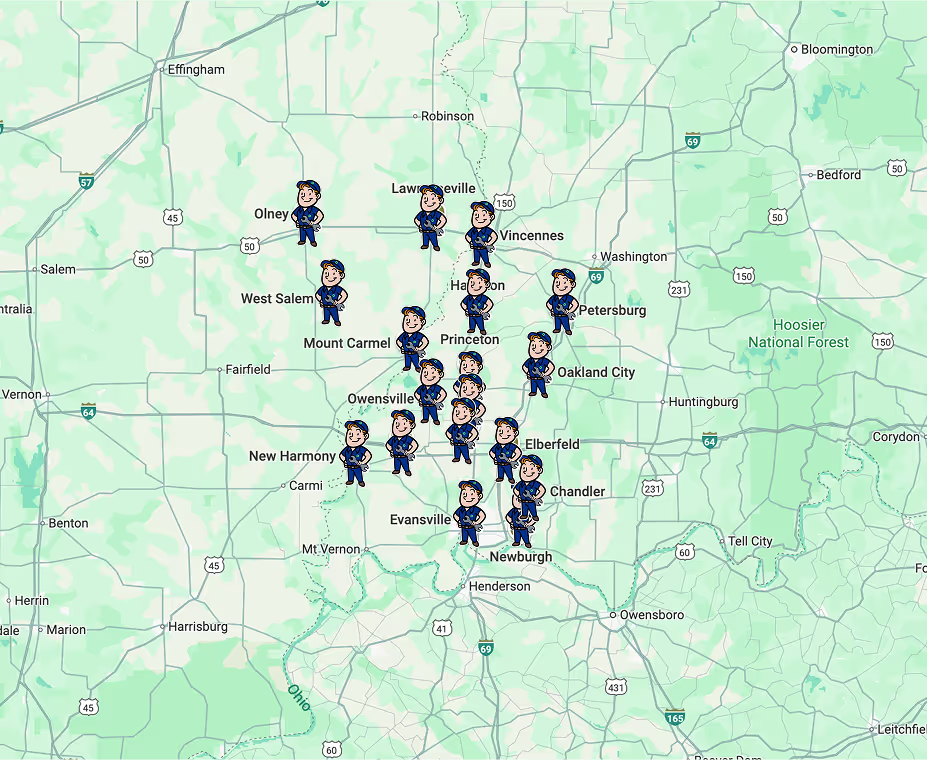
We proudly serve clients throughout our surrounding communities, delivering reliable service wherever you need us. No matter the location, our team is committed to the same high-quality results and responsive support.