Heating Installation in Olney, IL
Heating installation in Olney, IL delivers efficient, properly sized systems with expert assessment, permitting, and testing. Learn more.

Heating Installation in Olney, IL
A new heating system is truly one of the most important investments you'll make for your Olney, IL home. With winters that are consistently cold and can stretch on for months, having an efficient, properly sized system isn't just about staying warm—it's about reliable comfort, seeing lower energy bills, and even breathing easier with improved indoor air quality. At Perfect Climate Heating and Air, we guide you through every step of a professional heating installation. We cover everything, from our initial assessment and exploring equipment options, to handling permits, the actual installation process, thorough testing, and even discussing available incentives and warranty details, ensuring you feel confident and comfortable.
-min.jpeg)
Why a proper heating installation matters in Olney, IL
Olney experiences long heating seasons and temperature swings that put added demand on systems. A correctly sized and installed system:
- Maintains even temperatures during prolonged cold snaps
- Reduces fuel consumption and monthly heating costs
- Lowers risk of premature breakdowns during peak demand
- Improves air quality and reduces drafts and humidity problems
Common pitfalls — oversized units, undersized ductwork, poor airflow, or inadequate combustion venting — can worsen comfort and increase operating costs. A professional installation avoids these issues from the start.
Common heating system options for Olney homes
Choosing the right equipment depends on your home’s age, fuel access, insulation, and budget. Common choices include:
- High-efficiency gas furnaces: Reliable for cold Illinois winters; look for AFUE ratings 95% or higher for best efficiency.
- Heat pumps (air-source and cold-climate models): Much more efficient than electric resistance heat and now a viable option even in colder climates when sized and paired with a backup or hybrid system.
- Geothermal systems: Very efficient and stable year-round performance; best for homes with space for ground loops and longer-term return on investment.
- Electric furnaces or resistance heaters: Simple and low upfront cost but higher operating expense unless paired with low-cost electricity or renewable sources.
- Ductless mini-splits: Good for additions, older homes without ducts, or targeted zone heating.
Initial load calculation and home assessment
A professional installation begins with a full home assessment and a Manual J load calculation. This includes:
- Measuring square footage, ceiling heights, and insulation levels
- Inspecting windows, doors, and air leakage
- Evaluating existing ductwork, airflow, and venting
- Confirming fuel type and supply (natural gas, propane, electric)
- Checking electrical panel capacity for heat pump or geothermal systems
This data determines correct system sizing and identifies necessary ductwork upgrades or insulation improvements to ensure efficiency and comfort.
Permitting and code compliance in Olney, IL
Heating installations must meet state and local building codes and require permits. Typical steps:
- Obtaining the proper permit for furnace, heat pump, or geothermal work
- Ensuring combustion air, venting, and clearance meet code
- Following local electrical and plumbing requirements for connections
- Scheduling inspections as required by the municipality or county
A professional installer will prepare permit applications, handle inspections, and ensure the finished installation complies with local code and safety standards.
Step-by-step installation process and timeline
While specifics vary by project, here’s a typical installation flow for Olney homes:
- Pre-installation planning (1–3 days)
- Finalize equipment choice and parts list
- Order equipment and schedule work considering weather and delivery
- Day one — removal and preparation (half to full day)
- Remove old equipment and properly dispose of it
- Inspect and repair or modify ductwork, vents, and gas/electrical connections
- Equipment installation (1 day for standard furnace/heat pump; longer for geothermal)
- Set and secure new unit, connect gas/electric lines, install condensate/drain lines
- Install or relocate thermostat and control wiring
- System startup and balancing (several hours)
- Charge refrigerant for heat pumps, test combustion and safety systems for furnaces
- Adjust airflow, dampers, and register balancing for even distribution
- Final inspection and handover (same day or next)
- Post-install testing, safety checks, and documentation for permitting and rebate applications
Typical single-family furnace or heat pump replacements are completed in 1–3 days. Geothermal or systems requiring major ductwork can take several days to a week depending on site conditions.
Post-install testing and verification
Comprehensive testing ensures the new system performs as designed:
- Manual J/M and duct leakage verification if ducts were modified
- Combustion analysis and carbon monoxide safety checks for fuel-fired units
- Refrigerant charge and superheat/subcooling checks for heat pumps
- Airflow and temperature rise measurements across the heat exchanger
- Thermostat calibration and system control testing
- Demonstration of system operation and maintenance basics for homeowners
These tests confirm safety, efficiency, and manufacturer warranty compliance.
Rebates, tax credits, and financing options
Homeowners in Olney may qualify for multiple incentives that lower the net cost of high-efficiency equipment:
- Federal tax credits for qualifying heat pumps and geothermal systems (verify current program eligibility)
- State or utility rebates for high-efficiency furnaces, heat pumps, or weatherization upgrades
- Local energy efficiency programs that encourage HVAC upgrades
- Flexible financing and payment options to spread investment over time
When planning an installation, gather paperwork for permits, equipment specifications, and contractor invoices to document eligibility for rebates or tax incentives.
Warranty and long-term protection
Key warranty and protection topics:
- Manufacturer warranty: Covers parts and, sometimes, heat exchangers. Length varies by product and model.
- Labor warranty: Installer-provided coverage for workmanship — important for peace of mind.
- Maintenance requirements: Most warranties require documented annual tune-ups to remain valid.
- Extended warranties or service plans: Consider these for additional protection against unexpected repairs.
Keep all warranty documents, receipts, and service records in a safe place to simplify future claims.
Benefits and maintenance advice for Olney homeowners
A professionally installed, properly sized heating system delivers:
- Consistent comfort through cold Illinois winters
- Lower monthly energy bills and fewer emergency repairs
- Better indoor air quality and reduced humidity issues
- Increased home value and energy efficiency
Maintenance tips:
- Schedule annual heating tune-ups before cold weather sets in
- Replace or clean filters regularly and ensure proper airflow at registers
- Seal and insulate ducts and attic/crawlspaces to reduce losses
- Monitor for unusual sounds, odors, or cycling and address them early
A new heating system is a long-term investment. Proper assessment, permitting, installation, testing, and maintenance ensure it performs reliably and efficiently for years in Olney, IL.
What Our Clients
Say About Us
Our clients consistently praise our dedication and expertise. They appreciate our commitment to meeting their needs and providing sound advice, which has fostered long-lasting relationships.

SERVICE AREAS
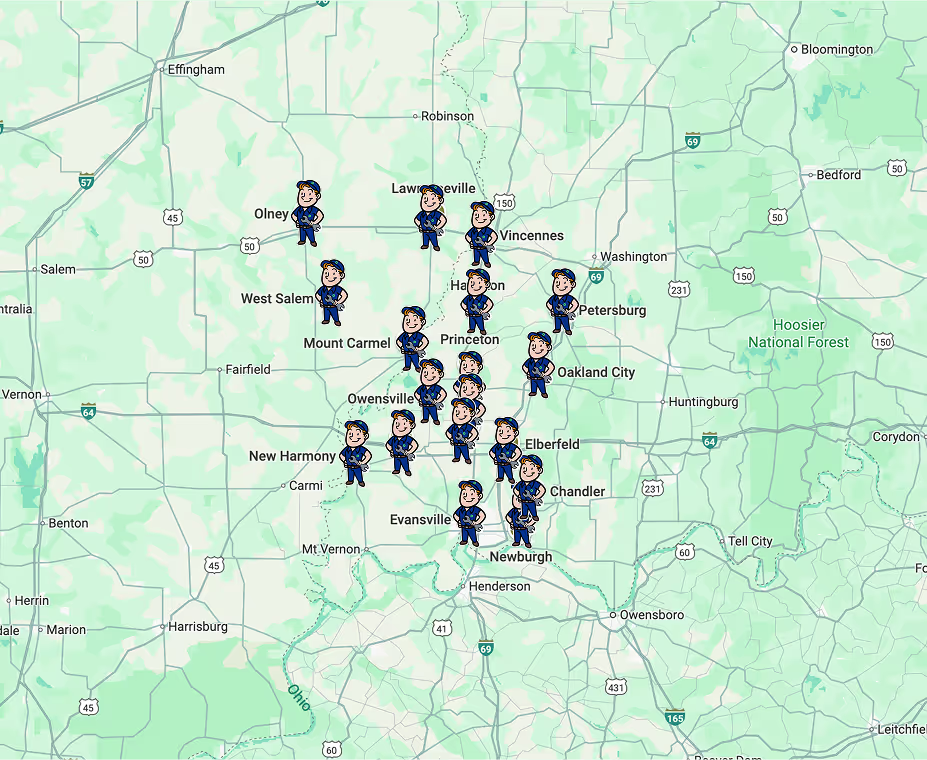
We proudly serve clients throughout our surrounding communities, delivering reliable service wherever you need us. No matter the location, our team is committed to the same high-quality results and responsive support.