Furnace Replacement in Olney, IL
Furnace replacement in Olney, IL delivers reliable heat and energy savings with expert installation and clear financing options.

Furnace Replacement in Olney, IL
As an Olney, IL homeowner, replacing your furnace is truly one of the most crucial investments you can make for lasting comfort, dependable warmth, and significant energy savings. We know those Illinois winters can be brutal, and with many older homes and constantly rising energy costs, getting the right replacement is key. When you trust Perfect Climate Heating and Air, a new furnace doesn't just bring back reliable heat; it actively lowers your monthly bills, makes your indoor space much more comfortable, and drastically cuts down on the headache of mid-season breakdowns. Let Perfect Climate Heating and Air help you stay cozy and worry-free.
.jpeg)
Common furnace problems that lead homeowners in Olney, IL to replace their unit
- Frequent breakdowns and rising repair costs on aging equipment
- Uneven heating or inability to reach thermostat setpoints on very cold days
- Strange noises, repeated pilot or ignition failures, and safety concerns with combustion appliances
- Poor indoor air quality or excessive dust that points to failing components or leak-prone ductwork
- Energy bills that climb each winter despite normal use — often a sign of low AFUE or degraded heat exchangers
- Old systems using obsolete refrigerants or parts that are no longer supported
Types of furnaces and which work best in Olney homes
- Natural gas furnaces: Most common in the area for their efficiency and operating cost. Available in single‑stage, two‑stage, and modulating designs.
- Propane furnaces: Typical where natural gas is not available; propane model sizing and efficiency considerations differ from natural gas units.
- Electric furnaces and heat pumps: Electric furnaces are straightforward but costlier to operate in cold weather. High‑efficiency heat pumps (including cold‑climate models) can be an excellent alternative when paired with backup heat or ductless solutions.
- Choosing the right type depends on fuel availability, existing ductwork, insulation levels, and your comfort priorities.
System evaluation and load calculations
A proper furnace replacement starts with a professional on‑site evaluation, not a guess. Key steps include:
- Home inspection: Measure square footage, ceiling heights, insulation, window types, and identify duct losses or leaks common in older Olney homes.
- Manual J load calculation: Determines the exact heating requirement in BTUs for your specific home, accounting for local climate (cold winters and occasional deep freezes in Olney) so the new furnace is neither undersized nor oversized.
- Distribution assessment: Evaluate duct condition, return pathways, and the furnace cabinet location to confirm airflow and ensure even heat delivery.
Recommendations for energy‑efficient models and expected savings
- AFUE explained: Annual Fuel Utilization Efficiency (AFUE) measures how much fuel is converted to heat. Typical ranges are 80% for older models, 90–96% for mid‑range new furnaces, and 97–98% for high‑efficiency condensing furnaces.
- Savings example: Replacing an 80% AFUE furnace with a 95% AFUE unit can reduce fuel consumption by roughly 15–20%, depending on usage patterns and house tightness. In Olney’s long heating season, that improvement often produces noticeable bill reductions.
- Additional efficiency features: Two‑stage or modulating burners and variable‑speed blowers improve comfort and efficiency by matching output to demand and reducing cycling losses. Upgrading your thermostat to a smart or programmable model further amplifies savings.
Comparing efficiency ratings and long‑term value
- Short term vs long term: Higher AFUE and advanced controls cost more up front but typically yield greater lifetime savings and comfort.
- Payback considerations: Assess expected fuel price trends, typical winter usage, rebate eligibility, and potential local utility incentives to estimate payback. Homes with higher insulation levels or duct sealing will realize a larger portion of efficiency gains.
The furnace replacement process (what to expect)
- Pre‑installation planning: Finalize equipment selection, obtain permits, and schedule an installation date that fits seasonal priorities.
- Old unit removal: Safe disconnect and removal of the existing furnace, including proper disposal of older components and any recycling of refrigerants if applicable.
- Professional installation: Precise flue, gas, or electrical connections; correct combustion air and venting; secure mounting and duct transitions. Installations include new filters, drain lines for condensing units, and any necessary gas line or electrical upgrades.
- Code compliance and permits: Ensure work meets Illinois and local Olney code requirements, including combustion safety checks and carbon monoxide testing.
- System testing and balancing: Confirm thermostat calibration, airflow, burner performance, safety interlocks, and balanced room temperatures across the home. Technicians document the system startup and provide operational guidance.
- Final walkthrough: Review warranty details, maintenance needs, and how to operate any new controls.
Timeline and cost factors
Typical timeline: A straightforward replacement in a single day is common if no major duct or gas work is needed. More complex installs (duct redesign, line set, or structural access) can take multiple days.
Factors that influence cost and duration:
- Equipment selection (AFUE and features)
- Fuel type and any required conversions (gas to propane, etc.)
- Ductwork condition or need for sealing, modification, or new plenums
- Required electrical upgrades or gas line sizing
- Permit fees and local code requirements
- Disposal of old equipment and any asbestos or hazardous material remediation (rare but possible in older homes)
Financing, rebates, and loyalty replacement credits
- Financing options: Many homeowners choose financing to spread the investment. Typical offerings include low‑interest or deferred payment plans—terms vary by program.
- Rebates and incentives: High‑efficiency furnaces often qualify for manufacturer rebates, utility company incentives, or seasonal promotions. State and local utility programs may offer rebates specifically for high AFUE equipment or complementary upgrades like smart thermostats and duct sealing.
- Loyalty replacement credits: Ongoing maintenance or loyalty programs can provide credits toward a future complete system (for example, programs that accrue credit for each year of service up to a capped amount), which reduces net replacement cost for long‑term customers.
Warranty and maintenance plan options
- Manufacturer warranty: Typically covers major components (heat exchanger, burners) for a specified number of years. Register equipment promptly to secure full warranty benefits.
- Labor warranty: Look for a documented labor warranty covering installation workmanship—this is separate from the manufacturer’s parts warranty.
- Maintenance plans: Annual tune‑ups (recommended before every heating season) protect warranties, improve efficiency, and reduce breakdown risk.
- Maintenance plans often include priority service, filter discounts, and documented visits that help when applying for loyalty credits or rebates.
What to expect from a free estimate and how to prepare
A quality free estimate involves an on‑site inspection and a written recommendation. During the visit, a technician will:
- Perform a Manual J load calculation and inspect ductwork and combustion venting.
- Measure the current equipment and note inefficiencies or safety concerns.
- Provide model comparisons with AFUE, expected annual fuel savings estimates, and an itemized list of scope (equipment, ductwork, permits).
- Outline timeline, permit needs, warranty coverage, and potential rebate/financing options including any loyalty credits.
- To prepare, have recent energy bills available, note problem symptoms and comfort concerns, and identify fuel type and age of current equipment if known.
Ongoing benefits of a professional furnace replacement in Olney, IL
A properly sized, professionally installed high‑efficiency furnace delivers consistent winter comfort, improved indoor air quality, reduced fuel consumption, and fewer emergency repairs. In Olney’s climate, investing in the right system pays off through better performance on the coldest days, lower utility bills across the heating season, and longer equipment life when combined with a routine maintenance plan.
What Our Clients
Say About Us
Our clients consistently praise our dedication and expertise. They appreciate our commitment to meeting their needs and providing sound advice, which has fostered long-lasting relationships.

SERVICE AREAS
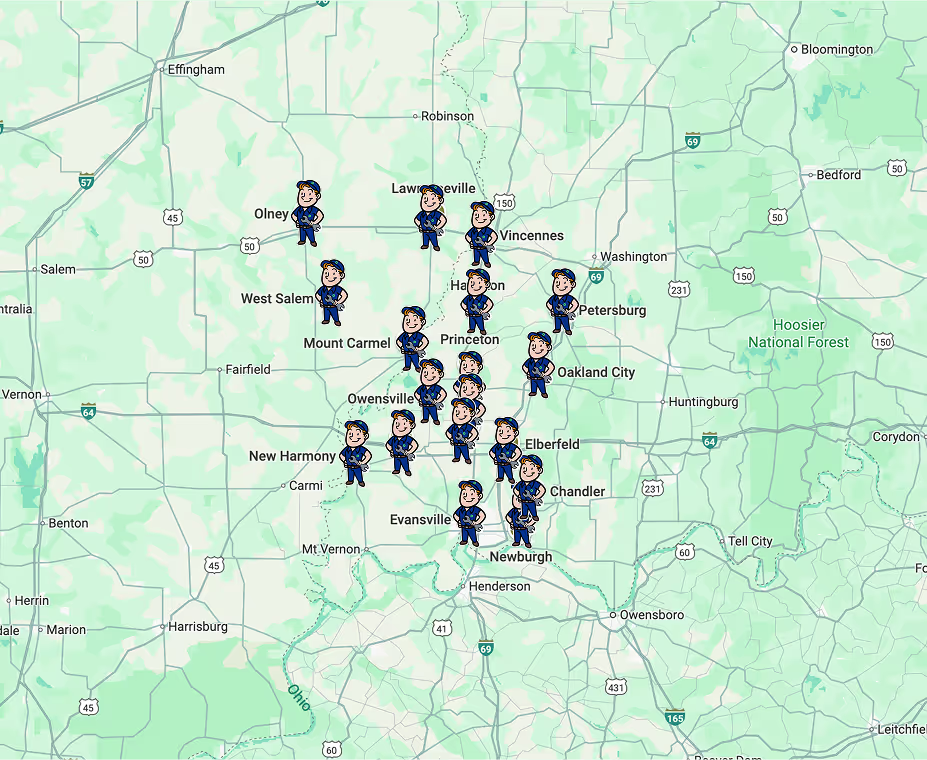
We proudly serve clients throughout our surrounding communities, delivering reliable service wherever you need us. No matter the location, our team is committed to the same high-quality results and responsive support.