Heating Repair in Olney, IL
Heating repair experts in Olney, IL diagnose and fix furnaces, boilers, and heat pumps. Learn more about fast, reliable service today.

Heating Repair in Olney, IL
Having a dependable heating system isn't just a luxury in Olney, IL—it's a necessity, especially when those cold, damp winters send temperatures plummeting. No matter if you rely on a gas furnace, boiler, or heat pump, getting timely repairs done by Perfect Climate Heating and Air means you'll stay comfortable, reduce potential safety hazards, and stop those minor issues from snowballing into expensive breakdowns.
.jpeg)
Common heating system problems in Olney homes
Winter weather in Southern Illinois stresses heating systems in predictable ways. These are the top failures technicians see:
Furnaces
- No heat or intermittent heating (failed igniter, faulty gas valve, pilot/ignition issues)
- Short cycling (clogged air filter, overheating, limit switch)
- Weak airflow (dirty filters, failing blower motor, duct restrictions)
- Strange noises (worn bearings, loose panels, belt issues)
- Safety concerns (cracked heat exchanger, carbon monoxide risk)
Boilers
- No hot water or low-pressure operation (failed circulator pump, air in the system)
- Leaks (valve, joint or tank corrosion)
- Uneven heating across zones (stuck zone valves, faulty thermostats)
- Pressure/temperature fluctuations (expansion tank failure, pressure relief valve issues)
Heat pumps (air-source and ductless)
- Reduced heating capacity in cold weather (low refrigerant, compressor problems)
- Defrost cycle failures (stuck defrost control or sensors)
- Short cycling or high electric draw (capacitor, contactor, reversing valve)
- Refrigerant leaks and compressor failure
Other local contributors include older ductwork, inadequate insulation in aging Olney homes, and fuel type variations (natural gas, propane, electric), all affecting system performance.
The diagnostic process — what technicians check
A thorough diagnosis isolates the root cause before any repair. Typical steps include:
- Initial history and symptom review (when it started, sounds, thermostat behavior)
- Visual safety inspection (gas lines, flue, carbon monoxide indicators, visible leaks)
- Thermostat and control checks (settings, wiring, control board diagnostics)
- Airflow and duct assessment (filters, vents, blower operation)
- Electrical testing (capacitors, relays, motor amperage)
- Combustion and gas pressure testing for fossil fuel systems (ensures safe ignition and efficiency)
- Refrigerant system checks for heat pumps (pressure readings, leak detection)
- Boiler-specific checks (system pressure, circulator pump, expansion tank)
- Clear cost-and-options explanation based on findings
Technicians use a blend of visual checks, meters, combustion analyzers, and manufacturer diagnostics to provide an accurate diagnosis and prioritized repair list.
Typical repairs and replacement parts
Common repair procedures and parts homeowners should expect:
Furnace repairs
- Replace igniter or flame sensor
- Clean or replace burners and pilot assembly
- Replace control board, limit switch, or gas valve
- Repair/replace blower motor, blower belt, or capacitor
- Seal or repair duct leaks and replace air filters
Boiler repairs
- Replace circulator pump, zone valves, or pressure relief valves
- Flush system and install new expansion tank or air eliminator
- Repair leaks, replace gaskets or failed seals
- Replace controls or thermostats
Heat pump repairs
- Repair refrigerant leaks and recharge system
- Replace compressor, reversing valve, contactor, or fan motors
- Service defrost controls and sensors
- Replace capacitors or control boards
Parts are chosen to match the system’s make, model, and code requirements. When safety-critical components (like a cracked heat exchanger) fail, replacement is often the only safe option.
Emergency response timelines and priority handling
No-heat calls in freezing weather and suspected gas leaks or carbon monoxide exposure are treated as emergencies. Industry-standard expectations:
- Life-safety issues (gas smell, CO alarms): immediate priority — service providers should advise to evacuate and coordinate emergency response while dispatching a technician as quickly as possible.
- No heat during winter: same-day response is typical when availability allows; arrival windows vary with service demand and location.
- Non-urgent failures (reduced efficiency, intermittent issues): scheduled within the next available service slot.
A reliable repair approach includes documented findings, a written estimate for recommended work, and clear timelines for parts and completion.
Warranty and workmanship expectations
Repair work typically involves two warranty layers:
- Manufacturer warranties for parts: vary by part and brand and remain in effect based on the original product warranty terms.
- Dealer or contractor workmanship warranties: reputable technicians provide written labor guarantees covering the repair work for a defined period (commonly 30–365 days depending on the company policy and job scope).
Always request written warranty details before work begins and keep documentation for any future claims. For safety-critical repairs, ensure technicians test the system fully and log results.
When to repair vs when to replace
Deciding between repair and replacement depends on these factors:
- Age of the system: furnaces older than about 15–20 years, boilers past 15–25 years, and heat pumps older than 10–15 years are more likely candidates for replacement due to declining efficiency and part availability.
- Frequency and cost of repairs: recurring failures and repeated service calls indicate diminishing returns on repairs.
- Safety concerns: cracked heat exchangers, persistent combustion issues, or major refrigerant or compressor failures often justify replacement.
- Efficiency and comfort goals: newer systems can significantly lower operating costs and improve comfort; if your current unit has low AFUE/HSPF ratings, replacement can be sensible.
- Home needs and renovations: ductwork upgrades, added insulation, or home additions may require a new, properly sized system.
A practical approach weighs the repair cost against expected remaining useful life and the potential energy savings of a new system. Technicians should provide comparative scenarios outlining repair timelines, expected remaining life, and efficiency impacts.
Seasonal and maintenance recommendations for Olney homes
Preventive care extends system life and reduces emergency repairs—especially important before Olney’s cold season:
- Annual heating tune-up before October to confirm safe operation and peak efficiency
- Replace filters regularly and inspect ductwork for leaks or insulation gaps
- Test carbon monoxide detectors and ensure proper ventilation and flue clearance
- Keep outdoor units clear of snow and debris for heat pumps
- Consider upgrading thermostat controls or zoning for older, unevenly heated homes
Regular maintenance is the most cost-effective way to avoid mid-winter failures and maintain safe, efficient heating in Olney’s climate.
What Our Clients
Say About Us
Our clients consistently praise our dedication and expertise. They appreciate our commitment to meeting their needs and providing sound advice, which has fostered long-lasting relationships.

SERVICE AREAS
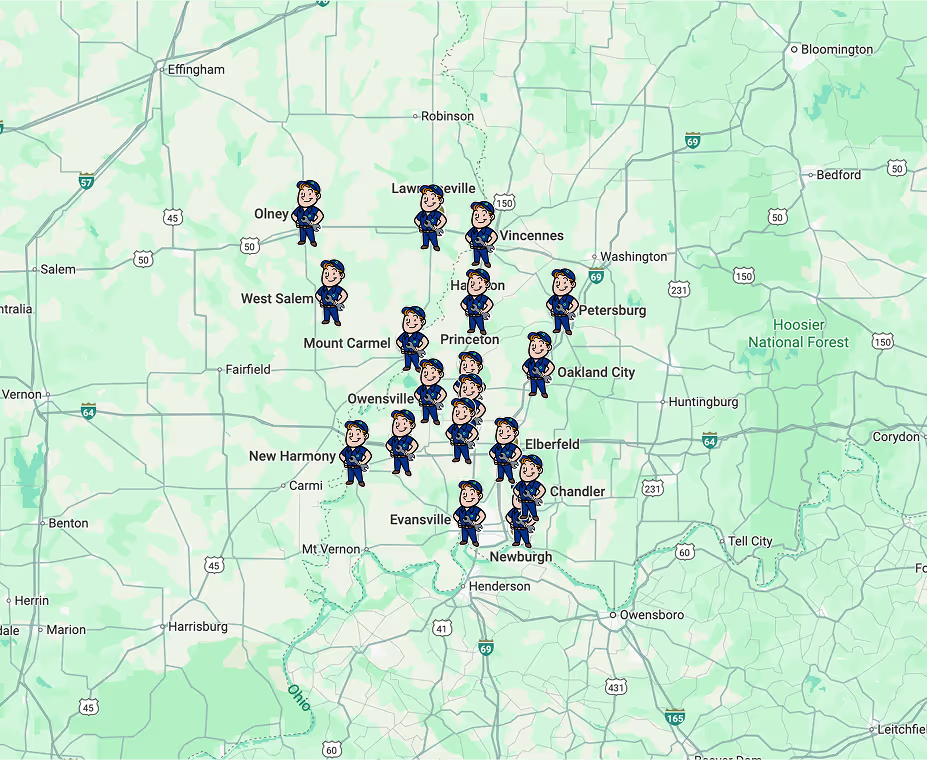
We proudly serve clients throughout our surrounding communities, delivering reliable service wherever you need us. No matter the location, our team is committed to the same high-quality results and responsive support.