Heating Repair in Lawrenceville, IL
Heating repair services in Lawrenceville, IL, with expert diagnostics and fast, reliable repairs to restore comfort. Learn more.

Heating Repair in Lawrenceville, IL
When winter truly settles into Lawrenceville, IL, having a reliable heating system isn't just a luxury—it's absolutely essential for your family's comfort and safety. Homes here often contend with sudden cold snaps, challenging freeze-thaw cycles, and power fluctuations from storms, all of which can put a real strain on furnaces, boilers, and heat pumps. If you notice your system underperforming, hear strange noises, or find it's not heating at all, don't wait. Our timely, professional heating repair services at Perfect Climate Heating and Air in Lawrenceville, IL can quickly restore your comfort, prevent more serious damage, and even help protect your energy bills.
.jpeg)
Common heating system failures and symptoms in Lawrenceville homes
Recognizing early symptoms helps avoid emergency breakdowns during cold weather. Common issues we see in the Lawrenceville area include:
- No heat or inconsistent heating: System runs but rooms stay cold, or some zones heat while others do not.
- Short cycling: Furnace or heat pump turns on and off frequently, wasting energy and stressing components.
- Unusual noises: Banging, rattling, or squealing often indicate loose or failing parts like blower motors, belts, or ignition components.
- Frequent pilot or ignition failures: Especially common with older gas furnaces after periods of disuse or following power outages.
- Rising energy bills: Reduced efficiency from dirty filters, worn blower motors, or failing heat exchangers.
- Poor indoor air or excessive dust: Clogged filters or duct issues can reduce airflow and system longevity.
- Frozen outdoor units (heat pumps): Extended cold, wet conditions can cause icing problems, defrost cycle failures, or refrigerant issues.
How technicians diagnose heating problems
A clear, methodical diagnosis prevents unnecessary repairs and pinpoints the root cause quickly. Typical diagnostic steps include:
- Initial system inspection: Visual check of the furnace/heat pump, vents, and thermostat settings to rule out obvious issues.
- Thermostat verification: Confirm correct temperature settings, battery health, and programmable schedule errors.
- Electrical and safety checks: Test breakers, fuses, wiring continuity, and safety switches (limit switch, rollout switch) to ensure safe operation.
- Combustion and ignition testing (gas systems): Inspect pilot, ignitor, gas pressure, and flame characteristics to detect ignition or gas flow problems.
- Airflow and duct assessment: Measure blower performance, return/supply airflow, and inspect ductwork for leaks or blockages.
- Component testing: Check motors, capacitors, belts, control boards, and sensors using specialized tools to identify failing parts.
- System performance evaluation: Measure temperature rise across heat exchangers or heat output of heat pumps to assess efficiency and potential faults.
Technicians document findings and explain repair priorities so homeowners in Lawrenceville can make informed decisions.
Typical repair procedures and parts replacement
Repairs are tailored to the diagnosed issue and may range from quick fixes to multi-part replacements. Common procedures include:
- Filter and airflow maintenance: Replacing or cleaning filters, clearing registers, and adjusting blower speeds.
- Ignition and pilot repairs: Replacing ignitors, thermocouples, or cleaning pilot assemblies on gas furnaces.
- Blower motor and fan repairs: Replacing worn motors, belts, or fan blades to restore proper airflow.
- Control board and thermostat replacements: Updating faulty control boards or upgrading thermostats for better reliability and efficiency.
- Heat exchanger and combustion repairs: Repairing or replacing cracked heat exchangers when detected (a critical safety issue).
- Refrigerant and defrost repairs for heat pumps: Fixing leaks, recharging refrigerant, or repairing defrost controls for outdoor units.
- Duct repairs and sealing: Patching leaks and rebalancing ducts to improve heating distribution and efficiency.
Typical replacement parts used in Lawrenceville repairs include burners, ignitors, gas valves, capacitors, motors, belts, control boards, thermostats, and refrigerant lines. Technicians explain whether a repair preserves system life effectively or if further investment would be ill-advised.
Response times and 24/7 emergency availability
Cold weather can make heating failures urgent. Local heating repair providers commonly offer:
- Same-day service for non-critical repairs when schedules allow, reducing downtime during cold stretches.
- 24/7 emergency response for no-heat situations or dangerous conditions like carbon monoxide concerns. Emergency response time varies by call volume and distance but is prioritized during severe weather.
- Flexible scheduling options including evenings and weekends to fit working households in Lawrenceville.
Technicians arrive with diagnostic tools and commonly needed parts to resolve many issues on the first visit.
Repair vs. replacement: how to decide
Deciding whether to repair or replace depends on several factors:
- System age: Furnaces and heat pumps over 12–15 years often approach the end of useful life; repeated costly repairs may justify replacement.
- Cost of repair relative to replacement: If a single repair costs more than 30–50% of a reasonable replacement estimate, replacement should be strongly considered.
- Energy efficiency goals: Upgrading to a high-efficiency furnace or modern heat pump can lower bills in cold Indiana winters and provide better comfort control.
- Frequency of breakdowns: Recurring failures indicate underlying deterioration and higher long-term costs.
- Safety concerns: Cracked heat exchangers or compromised combustion components necessitate immediate replacement for safety.
Technicians provide transparent comparisons including estimated remaining lifespan, efficiency gains, and long-term savings to help Lawrenceville homeowners choose the best path.
Warranty, parts, and scheduling information
- Manufacturer and parts warranties: New parts and systems typically carry manufacturer warranties that vary by component; technicians will explain applicable coverage and registration requirements.
- Labor warranties: Many service providers offer limited labor warranties on repairs for a specified period; confirm the length and what is covered (repeat failures, related components).
- Maintenance plans: Regular tune-ups (recommended annually or biannually) protect warranties, improve reliability during cold spells, and often include seasonal priority scheduling and diagnostic discounts.
- Scheduling transparency: Expect clear appointment windows and technician arrival updates. For emergency calls, providers will explain expected response times and safety procedures on arrival.
Preventive tips for Lawrenceville homeowners
Proactive care extends system life and reduces emergency repairs:
- Replace or clean filters every 1–3 months during heavy use.
- Keep outdoor heat pump units clear of debris and snow during winter.
- Seal drafts around doors and windows to reduce heating load.
- Schedule professional tune-ups before fall to catch issues before the cold sets in.
- Install or test carbon monoxide detectors when you have gas appliances.
Heating repair in Lawrenceville, IL is both a safety and comfort priority. A professional diagnostic, clear options for repair versus replacement, and reliable warranty coverage ensure your home stays warm through Indiana’s cold months while managing long-term costs and system performance.
What Our Clients
Say About Us
Our clients consistently praise our dedication and expertise. They appreciate our commitment to meeting their needs and providing sound advice, which has fostered long-lasting relationships.

SERVICE AREAS
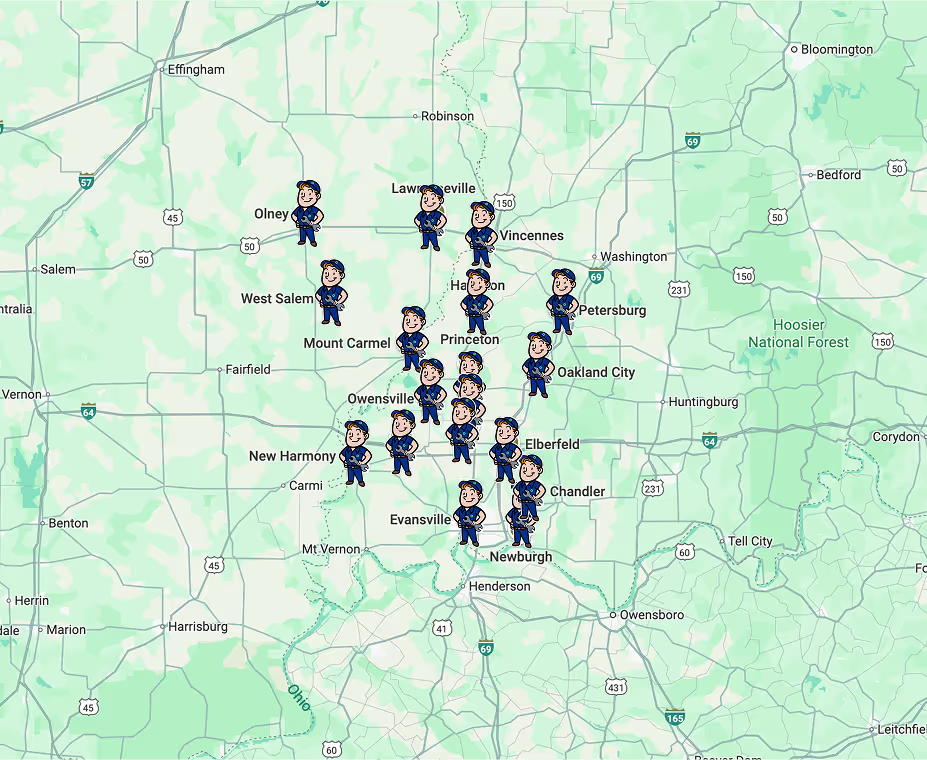
We proudly serve clients throughout our surrounding communities, delivering reliable service wherever you need us. No matter the location, our team is committed to the same high-quality results and responsive support.