Heating Tune-up in Lawrenceville, IL
Professional heating tune-up in Lawrenceville, IL protects your home and wallet, boosts efficiency, and extends equipment life—schedule your tune-up today.

Heating Tune-up in Lawrenceville, IL
In Lawrenceville, IL, a professional heating tune-up does so much more than just check a box – it really protects your home, your family, and your hard-earned money! Our region often sees cold, damp winters and those frequent temperature swings mean your furnace or heat pump is working incredibly hard for months on end. With Perfect Climate Heating and Air, a seasonal tune-up helps us uncover those hidden issues before they turn into a major breakdown. We'll get your system back to peak efficiency, so you're not overpaying to heat your home, and we make sure all the necessary maintenance is documented to keep your manufacturer warranties valid.
.jpeg)
Common heating tune-up issues in Lawrenceville, IL homes
- Uneven heating between rooms after long idle periods
- Rising energy bills compared with previous winters
- Short-cycling or frequent on/off cycles during cold snaps
- Loud or new mechanical noises from the furnace or ductwork
- Weak or restricted airflow due to clogged filters or duct leaks
- Pilot light or ignition failures on gas furnaces
- Rust, corrosion, or cracked heat exchangers from age and moisture
- Safety concerns: abnormal combustion, carbon monoxide risk, or blocked vents
Understanding these common problems makes it easier to prioritize a tune-up before temperatures drop and repair costs spike.
What a professional heating tune-up includes
A thorough tune-up follows a detailed checklist so nothing is missed. For Lawrenceville homes this typically covers gas furnaces, electric furnaces, and heat pumps:
Inspection checklist
- Visual and functional check of thermostat calibration and settings
- Inspection of burners, flame pattern, and pilot/ignition system (gas units)
- Heat exchanger inspection for cracks, corrosion, or signs of damage
- Examination of flue, venting and exhaust for blockages and proper draft
- Electrical inspection: controls, wiring, contactors, and safety switches
- Blower motor and wheel inspection for balance, wear, and airflow
- Ductwork scan for obvious leaks, disconnections, and insulation issues
- Filter size/condition identification and replacement recommendation
- Refrigerant level check and reversing valve operation (heat pumps)
- Condensate drain and trap check on high-efficiency systems
Cleaning and lubrication tasks
- Clean burners, ignition assemblies, and flame sensors to ensure stable combustion
- Remove dust and debris from blower wheel and motor housings for better airflow
- Vacuum heat exchanger access areas and accessible ducts to reduce contaminants
- Lubricate motors, bearings, and moving linkages where applicable to reduce friction and noise
- Clean or flush condensate drains to prevent backups and freeze problems
Filter and component checks
- Verify filter size and MERV rating; replace or upgrade based on indoor-air needs
- Inspect belts, pulleys, and motor mounts; replace worn parts to avoid failure
- Test capacitors, relays, transformers, and electrical connections for safe operation
- For gas systems: test gas pressure and check for leaks or improper combustion
Safety and efficiency tests
- Carbon monoxide and combustion gas analysis to confirm safe burner operation
- Heat rise and output measurement to verify the furnace is producing expected BTU transfer
- Amperage draw measurements on motors and compressors to detect excessive load
- Static pressure and airflow assessment to identify duct or filter restrictions
- System run test through a full heating cycle to confirm reliable operation
Recommended frequency
- Annual tune-up: All furnaces and heat pumps should receive a professional inspection once a year, ideally before the start of the heating season in fall.
- Biannual service: Homes with heat pumps or combined heating/cooling systems benefit from two seasonal checks (spring and fall) to maintain both modes.
- Filter changes: Replace or check filters every 1–3 months depending on filter type, occupancy, and pets. High-efficiency filters may need different schedules.
Given Lawrenceville’s cold months and occasional extended freezes, scheduling a fall tune-up helps avoid emergency calls on the first cold night.
Benefits: warranty protection, energy savings, and peace of mind
- Warranty protection: Many manufacturers require documented annual maintenance to keep warranties valid. A professional tune-up provides the paperwork and time-stamped service records needed for claims.
- Energy savings: A clean, tuned system operates more efficiently. Typical maintenance improvements reduce energy usage and help lower heating bills—especially noticeable in older or poorly maintained systems.
- Fewer breakdowns and longer equipment life: Preventive service catches small issues before they become costly repairs and reduces wear on critical components.
- Safety: Combustion testing and vent inspections reduce the risk of carbon monoxide exposure and unsafe operation.
- Improved comfort and indoor air quality: Proper airflow, clean filters, and intact ducts deliver more consistent heating and fewer airborne particles.
How enrollment and scheduling typically works
Enrolling in a seasonal maintenance program is designed to be straightforward and secure long-term value:
- Choose a maintenance plan level based on coverage needs (single tune-up, seasonal dual check, or full preventive plan). Plans typically outline included inspection items, filter allowances, and priority scheduling.
- Provide system details: make, model, approximate age, and location of equipment in the home. This helps technicians bring the right tools and parts.
- Select preferred service windows or recurring appointment times for annual service to reserve seasonal slots.
- Technicians perform the tune-up, document findings, and leave a maintenance report showing completed tasks, recommended repairs, and parts replaced.
- Keep records: documented maintenance records are retained for warranty and resale value.
This process ensures predictable maintenance and documented protection for your system without surprises during peak cold weather.
Preparing your home for a tune-up
- Clear access to the furnace, heat pump, and thermostat area.
- Have existing filter information available if you know it (size and type).
- Make a note of any unusual noises or problems to report to the technician.
- Secure pets and ensure safe parking/access for service personnel.
A few minutes of preparation often reduces the service time and improves diagnostic accuracy.
Regular heating tune-ups tailored to Lawrenceville, IL conditions are an efficient way to protect warranty coverage, reduce energy use, and avoid emergency repairs during the coldest nights. Routine care keeps your system running safely and reliably so you and your family stay warm and comfortable all winter.
What Our Clients
Say About Us
Our clients consistently praise our dedication and expertise. They appreciate our commitment to meeting their needs and providing sound advice, which has fostered long-lasting relationships.

SERVICE AREAS
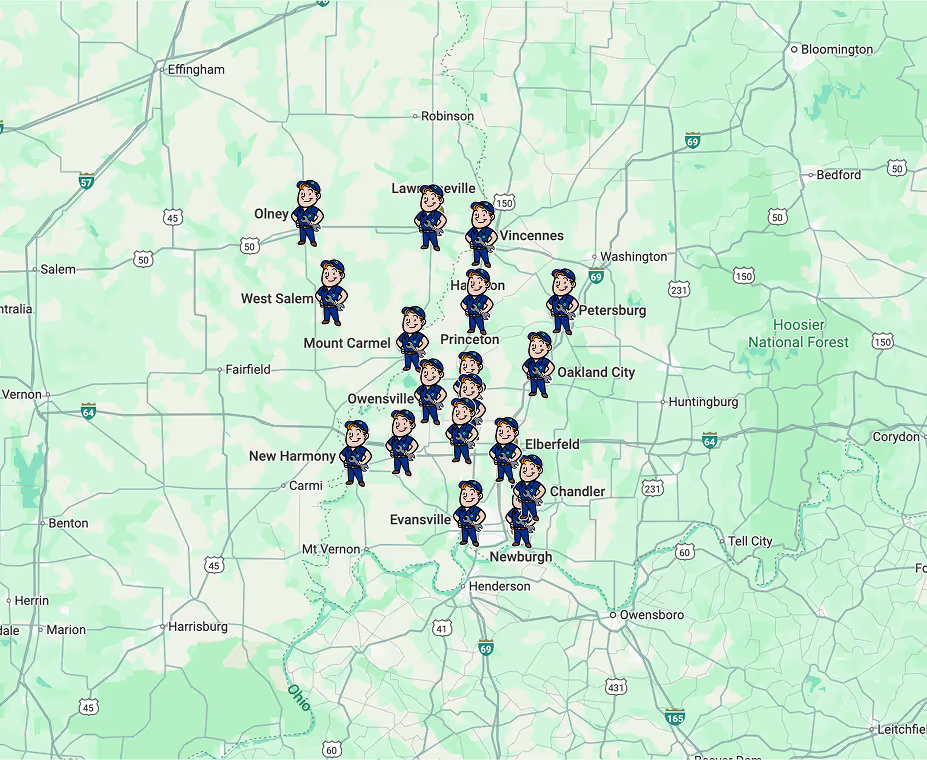
We proudly serve clients throughout our surrounding communities, delivering reliable service wherever you need us. No matter the location, our team is committed to the same high-quality results and responsive support.