Heating Service in Lawrenceville, IL
Heating service in Lawrenceville, IL offers diagnostics, maintenance, repairs, and installs for homes and businesses. Schedule a diagnostic today.

Heating Service in Lawrenceville, IL: Keeping You Warm All Winter
To keep your home or business warm and safe through those Indiana winters, you need a heating system that's correctly sized, meticulously maintained, and expertly repaired. At Perfect Climate Heating and Air, our comprehensive heating service in Lawrenceville, IL covers everything: diagnostics, routine maintenance, repairs, new installations, and replacement options for both residential and commercial properties. We want Lawrenceville property owners to understand what to expect when choosing a heating service, how we diagnose and fix common local issues, and what important considerations come into play when it's time to replace your equipment.
.jpeg)
Why reliable heating matters in Lawrenceville, IL
Lawrenceville experiences cold winters with freezing temperatures and occasional snow. Older homes and rural properties common in the area often have aging furnaces, propane systems, or undersized heat pumps that struggle to maintain comfort. Proper heating service not only restores comfort but also prevents safety risks (carbon monoxide, blocked vents, cracked heat exchangers) and keeps energy costs from spiking during high-demand months.
Common heating problems in Lawrenceville, IL
Property owners searching for “common heating issues in Lawrenceville, IL” typically report:
- No heat or intermittent heating
- Uneven heating between rooms or floors
- Short cycling (unit turns on and off frequently)
- Rising energy bills with declining performance
- Strange noises (banging, rattling, whistling)
- Pilot light or ignition failures on gas furnaces
- Frozen refrigerant lines or defrost issues on heat pumps
- Poor indoor air quality or persistent dust from ductwork
Types of heating services offered
- Diagnostics and system assessments
- Routine maintenance and tune-ups
- Repairs for furnaces, boilers, and heat pumps
- New system installation and replacement
- Ductwork inspection, cleaning, sealing, and balancing
- Ductless mini-split installation and service
- Commercial HVAC services (rooftop units, packaged systems, boilers)
- Emergency heating response (available for urgent failures)
How diagnostics are performed
A thorough diagnostic for heating systems follows a consistent, safety-first process:
- Visual inspection of the unit, vents, and controls.
- Filter, blower, and airflow checks to identify restrictions.
- Electrical tests on thermostats, relays, and safety controls.
- Combustion analysis for gas-fired equipment to confirm safe operation and proper venting.
- Refrigerant check and defrost cycle evaluation for heat pumps.
- Measurement of temperature rise across the heat exchanger and verification of duct performance.
- Load assessment and sizing review (Manual J considerations) when replacement is being considered.
Diagnostics conclude with a clear explanation of findings, repair options, and efficiency implications so homeowners and business owners can make an informed decision.
Typical repairs and solutions
- Furnace ignition or pilot problems: Repair or replace ignition modules, clean pilots, and verify gas valves.
- Blower and airflow issues: Clean or replace filters, inspect/replace motors or belts, and correct duct obstructions.
- Heat exchanger and safety issues: Inspect for cracks; recommend repair or replacement if compromised.
- Heat pump malfunctions: Diagnose refrigerant leaks, failed compressors, or reversing valve faults; perform repairs and restore proper refrigerant charge.
- Thermostat and control failures: Replace or recalibrate thermostats; upgrade to programmable or smart controls for better zone management.
- Duct leaks and balancing: Seal and insulate ducts, add balancing dampers, and recommend zoning for uneven heating.
When repeated repairs, frequent breakdowns, or efficiency losses become common, replacement is often the more cost-effective option.
Replacement and installation guidance
Consider replacement if your furnace is older than 15–20 years, repairs are frequent, or monthly heating costs are rising despite maintenance. Proper replacement includes:
- Sizing based on a heat load calculation (not rule-of-thumb sizing)
- Selecting the right equipment type: high-efficiency furnace, modulating furnace, heat pump, ductless mini-split, or boiler based on property needs
- Upgrading ductwork, vents, and thermostats to improve distribution and efficiency
- Ensuring code compliance, safe venting, and manufacturer warranty requirements
For Lawrenceville homes, heat pump installations are increasingly attractive when combined with proper insulation and reverse-cycle efficiency, but cold-climate sizing and backup heating strategies should be discussed.
Brands and equipment supported
Service covers all major residential and commercial HVAC brands, including but not limited to:
- Carrier, Trane, Lennox, Goodman, Rheem, Bryant, York, American Standard
- Mitsubishi and Fujitsu for ductless systems and mini-splits
- Geothermal and solar-integrated heating systems for specialty installations
- Technicians can advise on the best brand and model to match goals for efficiency, longevity, and budget while honoring local fuel availability (natural gas, propane, electric).
Emergency response and scheduling expectations
Emergency heating response is available for urgent failures that threaten occupant safety or expose property to freezing. For non-emergency appointments, technicians typically:
- Ask for system make/model, symptoms, property type (home or commercial), and any visible error codes
- Provide an arrival window and pre-visit checklist (clear access to the unit, change filters if needed)
- Offer a documented diagnostic with recommended repairs and expected performance outcomes
When scheduling, having system information and a description of the problem speeds diagnosis and helps prioritize parts and tools for the initial visit.
Financing and service-area coverage
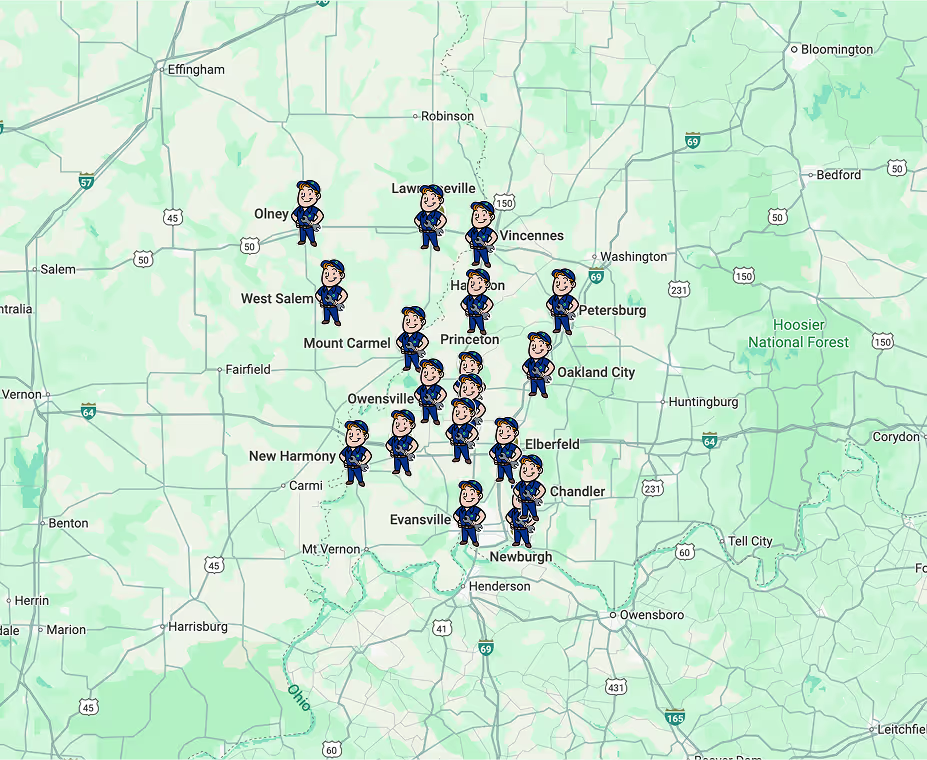
Financing options are available to help spread the cost of major repairs and replacements, and programs can often be discussed during the service estimate phase. Heating service in Lawrenceville, IL typically extends to nearby towns and rural properties across the region, with technicians familiar with local installation challenges such as older ductwork, propane supply lines, and seasonal freeze protection.
Maintenance plans and homeowner tips
Routine maintenance is the best way to prevent breakdowns in Lawrenceville winters. Recommended seasonal tasks:
- Replace filters every 1–3 months depending on use and filter type
- Schedule annual furnace or heat pump tune-ups before the heating season
- Keep combustion appliance vents clear of snow and debris
- Insulate exposed pipes and add programmable thermostats to reduce runaway energy costs
- Have carbon monoxide detectors on each floor and test them monthly
Regular maintenance preserves warranties, extends equipment life, and keeps heating costs manageable.
What Our Clients
Say About Us
Our clients consistently praise our dedication and expertise. They appreciate our commitment to meeting their needs and providing sound advice, which has fostered long-lasting relationships.

SERVICE AREAS
We proudly serve clients throughout our surrounding communities, delivering reliable service wherever you need us. No matter the location, our team is committed to the same high-quality results and responsive support.