Furnace Repair in Elberfeld, IN
Furnace repair services in Elberfeld, IN diagnose issues quickly, restore reliable heat, and provide preventative maintenance tips. Schedule service today.

Furnace Repair in Elberfeld, IN
Keeping your furnace running reliably through Elberfeld winters truly matters. Those freezing nights and extended cold snaps put extra strain on heating systems, and many homes right here in Elberfeld rely on older furnaces, which often need prompt, expert attention. That's why Perfect Climate Heating and Air focuses on fast, accurate diagnostics and long-term solutions for furnace repair in Elberfeld, IN. We tackle common problems like ignition failures, blower issues, and gas control faults, ensuring your home stays warm and safe.
.jpeg)
Why timely furnace repair matters in Elberfeld, IN
Elberfeld’s cold season increases runtime for furnaces, which accelerates wear on ignition systems, blower motors, and controls. Rural and older homes in the region may also have legacy equipment or propane setups that require specialized knowledge. Addressing furnace problems quickly:
- Restores safe, consistent heat
- Prevents secondary damage to vents, heat exchangers, and electrical components
- Improves energy efficiency and comfort during prolonged cold stretches
Common furnace repair issues in Elberfeld, IN homes
Technicians in the area frequently see the same recurring failures. Understanding these helps homeowners spot problems earlier.
- Ignition and pilot assembly failures: Electronic igniters crack or sensors fail; older pilot lights can go out or become weak.
- Burner problems: Dirty or misaligned burners cause poor combustion and uneven heating.
- Thermostat issues: Faulty wiring, dead batteries (on wireless units), or miscalibration lead to no heat or short cycling.
- Blower motor faults: Burnt bearings, failed capacitors, or clogged blower wheels reduce airflow and strain the system.
- Gas controls and valves: Sticking or leaking gas valves are safety concerns and require professional attention.
- Sensors and safety switches: Limit switches, flame sensors, and pressure switches can fail or accumulate deposits, shutting the system down.
Diagnostic inspection: what professionals check
A methodical diagnostic inspection identifies the root cause so the repair is targeted, safe, and effective.
- Visual safety check of the furnace cabinet, venting, and combustion area
- Verification of adequate gas supply or fuel type (natural gas, propane)
- Thermostat verification and control signal testing
- Ignition/pilot system tests and flame sensor checks
- Burner combustion analysis and inspection for soot or corrosion
- Blower motor and capacitor testing, airflow measurement
- Gas control valve and pressure testing where applicable
- Electrical system check for loose connections, fuses, and transformer output
Technicians use diagnostic tools and industry-standard procedures to determine whether parts need cleaning, adjustment, repair, or replacement rather than guessing.
On-site troubleshooting and repair procedures
Once diagnostics pinpoint the issue, repairs follow a clear process to restore safe operation.
- Isolate power and fuel source; follow safety lockout procedures
- Clean or replace components as needed (pilot assemblies, igniters, flame sensors, filters)
- Adjust burner alignment and perform combustion tuning if combustion issues are present
- Replace worn blower motors, belts, or capacitors and balance airflow
- Repair or replace thermostats and verify control wiring
- Replace gas valves or controls only after confirming leak-free operation and proper pressures
- Run full system start-up and safety checks, including testing limit switches, pressures, and venting
Technicians document findings and explain what was repaired or recommended in plain language, including whether short-term fixes or full replacement is the more reliable option.
Typical repair timelines and what to expect
Response and repair times are driven by the issue complexity and parts availability.
- Basic diagnostics: often completed during the initial visit (30–60 minutes)
- Simple repairs (thermostat replacement, sensor cleaning, filter changes): typically completed same day
- Moderate repairs (blower motor replacement, ignition module swap): completed in a few hours if parts are on hand
- Major repairs requiring special-order parts (gas control valves, specific OEM components): may take 24–72 hours depending on part availability
Technicians will outline expected timeframes once the problem is identified and explain options when parts are delayed to keep your home safe and warm in the interim.
24/7 emergency furnace repair in Elberfeld
Emergency furnace failures during sub-freezing nights require rapid, safety-focused responses. Emergency protocols include:
- Immediate safety triage (shutting off gas or power if a hazardous condition is suspected)
- Temporary measures to restore heat safely when a permanent repair cannot be completed immediately
- Prioritization of homes with vulnerable occupants or unsafe conditions
- Clear communication about next steps, parts timelines, and follow-up repairs
If you suspect a gas leak or smell of combustion, treat it as an emergency and follow local safety guidelines before waiting for repair.
Maintenance tips to prevent future breakdowns
Preventive maintenance reduces emergency repairs and extends furnace service life — especially valuable in Elberfeld’s extended heating season.
- Replace or clean air filters every 1–3 months during peak use
- Schedule annual heating tune-ups before cold weather hits to clean burners, calibrate controls, and inspect safety devices
- Keep vents, returns, and flues clear of debris, bird nests, and obstructions
- Check and replace batteries on thermostats and carbon monoxide detectors
- Address odd noises, smells, or cycling changes early, rather than waiting
Routine maintenance preserves warranties and improves efficiency in homes that run furnaces heavily through winter.
Warranty and parts information
Common warranty and parts guidance for furnace repair:
- Manufacturer parts often carry limited warranties — technicians will note the part warranty and document installations
- Using OEM or approved replacement parts protects performance and may preserve remaining equipment warranty
- Labor warranties vary by service provider; expect written documentation of any labor guarantee on repairs
- Records of maintenance and repairs help in warranty claims and future service decisions
Technicians typically provide a summary of replaced parts, expected service life, and warranty coverage after each visit.
How to schedule furnace repair service in Elberfeld, IN
When you need a professional visit, prepare a few items to speed the process:
- Note furnace make, model, and age if available
- Record observed symptoms (no heat, short cycling, unusual noises, odors) and when they began
- Identify any recent events (power surge, home renovations, or prior maintenance)
- Use the provider’s service request channels (website service form or customer portal) or review your maintenance plan agreement to request a diagnostic appointment and indicate any emergency status
Providing clear information up front helps technicians arrive prepared and reduces diagnostic time on site.
What Our Clients
Say About Us
Our clients consistently praise our dedication and expertise. They appreciate our commitment to meeting their needs and providing sound advice, which has fostered long-lasting relationships.

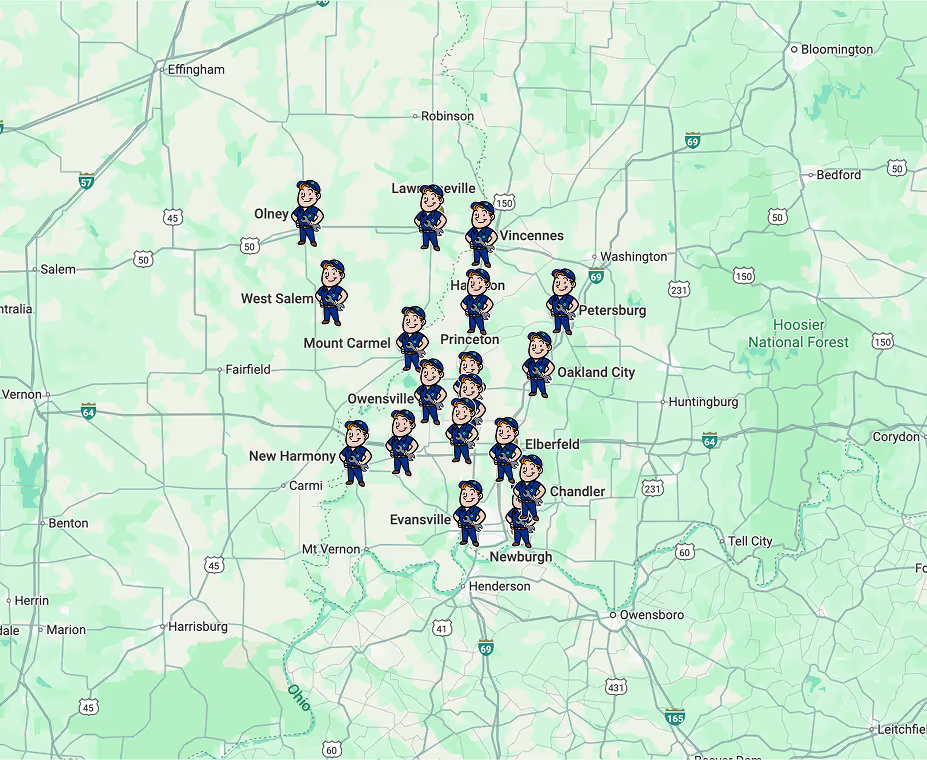
SERVICE AREAS
We proudly serve clients throughout our surrounding communities, delivering reliable service wherever you need us. No matter the location, our team is committed to the same high-quality results and responsive support.