Heating Tune-up in Elberfeld, IN
Heating Tune-Up in Elberfeld, IN keeps your furnace, boiler, or heat pump reliable with expert service. Schedule your tune-up today.

Heating Tune-up in Elberfeld, IN
Ensuring your heating system stays reliable through those Elberfeld winters truly begins with a professional tune-up. Whether you rely on a gas furnace, electric furnace, boiler, or a heat pump, a seasonal check-up from Perfect Climate Heating and Air significantly lowers the chance of breakdowns when it’s freezing outside, maintains your system’s efficiency, and helps protect manufacturer warranties. For homes in Elberfeld, IN, especially with older structures, rural dust, and those seasonal humidity swings, an annual tune-up is one of the smartest ways to keep comfortable and manage your long-term energy costs.
.jpeg)
Why a heating tune-up matters in Elberfeld, IN
Elberfeld experiences cold, sometimes humid winters and early frosts. Those conditions expose heating equipment to moisture, dirt infiltration, and higher run-time. Common local challenges include:
- Dust and agricultural pollen that clog filters and reduce airflow.
- Older ductwork or attics that allow debris and rodents to enter systems.
- Temperature swings that mask developing performance problems until a major failure.
- A tune-up catches small issues early, improves combustion and airflow, and restores design efficiency so your system performs when you need it.
Common heating tune-up issues in Elberfeld homes
- Dirty or clogged filters restricting airflow and forcing the system to work harder
- Soiled burners, heat exchanger soot, or dirty coils reducing combustion efficiency
- Miscalibrated thermostats or uneven temperature control between rooms
- Worn blower motors, belts, or bearings causing reduced airflow or noisy operation
- Blocked flues, venting problems, or minor gas leaks that introduce safety risks
- Short cycling, delayed ignition, or failing ignition components in older furnaces
- Refrigerant imbalance or reversing valve issues in heat pumps
Standard heating tune-up checklist
A comprehensive tune-up follows a documented checklist so every critical item is inspected and serviced. Typical tasks include:
- Filter inspection and replacement recommendation
- Check filter type and condition; replace or document replacement needs
- Visual safety inspection
- Inspect heat exchanger for cracks or corrosion
- Check venting, flue, and chimney connections for blockages or leaks
- Inspect gas lines, fittings, and combustion air openings
- Burner, ignition, and combustion service
- Clean burners and combustion chambers
- Inspect and test ignition system and safety controls
- Measure combustion gases when applicable and verify safe operation
- Heat exchanger, coil, and airflow maintenance
- Clean evaporator/condenser coils and accessible heat exchanger surfaces
- Inspect and clean blower assembly, housing, and motor
- Verify blower wheel balance and test motor amp draw
- Safety and performance tests
- Test carbon monoxide levels and verify CO safety controls
- Verify high-limit switches, rollout switches, and pressure switches
- Check and calibrate thermostat operation and setpoints
- Calibration and efficiency checks
- Measure temperature rise across furnace or delta-T for heat pumps
- Test system cycling, run-time, and short-cycling tendencies
- Inspect and document duct connections and accessible insulation
- Electrical and control inspection
- Tighten electrical connections, inspect control boards, and test capacitors
- Verify blower relay, contactor operation, and zone controls if present
- Final inspection and documentation
- Summarize findings, list recommended repairs or parts, and note any warranty-related documentation that was provided
What the tune-up process looks like
A professional tune-up generally follows a predictable flow:
- Arrival and system history review: The technician reviews prior service history and recent concerns before beginning.
- Preliminary safety checks: Power and fuel are verified safe and the system is placed in test mode.
- Detailed inspection and cleaning: Components are cleaned, filters checked, and moving parts lubricated where applicable.
- Diagnostic testing and calibration: Combustion efficiency, airflow, electrical draw, and thermostat settings are tested and adjusted.
- Recommendations and documentation: The technician documents all work, notes wear items, and identifies any repairs needed to ensure safe reliable operation.
Typical tune-ups for furnaces and heat pumps take between 45 minutes and 2 hours, depending on system age, accessibility, and any required cleaning.
Benefits of regular tune-ups
- Improved reliability: Annual service reduces the risk of sudden failures at the coldest times of year.
- Better efficiency and lower operating cost: Clean burners, coils, and proper calibration restore design efficiency.
- Extended equipment life: Addressing worn parts and lubrication reduces stress and extends service life.
- Safety assurance: Tune-ups include combustion and CO checks to ensure safe operation.
- Warranty protection: Many manufacturers require documented annual maintenance to preserve warranty coverage.
- Predictable budgeting: Regular maintenance identifies small repairs before they become costly replacements.
Maintenance plan options (overview)
Maintenance plans give ongoing protection and documented service history without committing to a specific provider. Typical plan structures include:
- Basic plan: Annual inspection and tune-up, filter reminders, and service documentation for warranty compliance.
- Comprehensive plan: Includes two seasonal tune-ups per year, priority scheduling, and discounted diagnostic fees for repairs.
- Premium or priority plan: All comprehensive features plus emergency priority response, parts discounts, and filter replacements included within plan limits.
Each plan aims to match customer priorities: minimal coverage for warranty documentation, mid-level protection for reliability and value, and premium plans for homes that require priority response.
What to expect during a visit
- A licensed, uniformed technician arrives prepared to work and performs an initial walk-through.
- The technician explains the systems they will inspect and any safety measures used during service.
- You will receive a written or digital service summary that lists completed tasks, any observations, and recommended repairs or monitoring.
- If a part needs replacement, the technician will document the reason and expected outcome; replacement parts are typically installed after homeowner approval.
- Technicians leave the work area clean and reset the thermostat to the agreed settings.
Scheduling and next steps
Scheduling is managed through standard channels used by local HVAC providers: phone reservations, online service request forms, or enrolling in a maintenance plan for scheduled annual or semi-annual visits. Plan enrollment usually sets a recurring service window so tune-ups occur before the highest-use seasons.
What Our Clients
Say About Us
Our clients consistently praise our dedication and expertise. They appreciate our commitment to meeting their needs and providing sound advice, which has fostered long-lasting relationships.

SERVICE AREAS
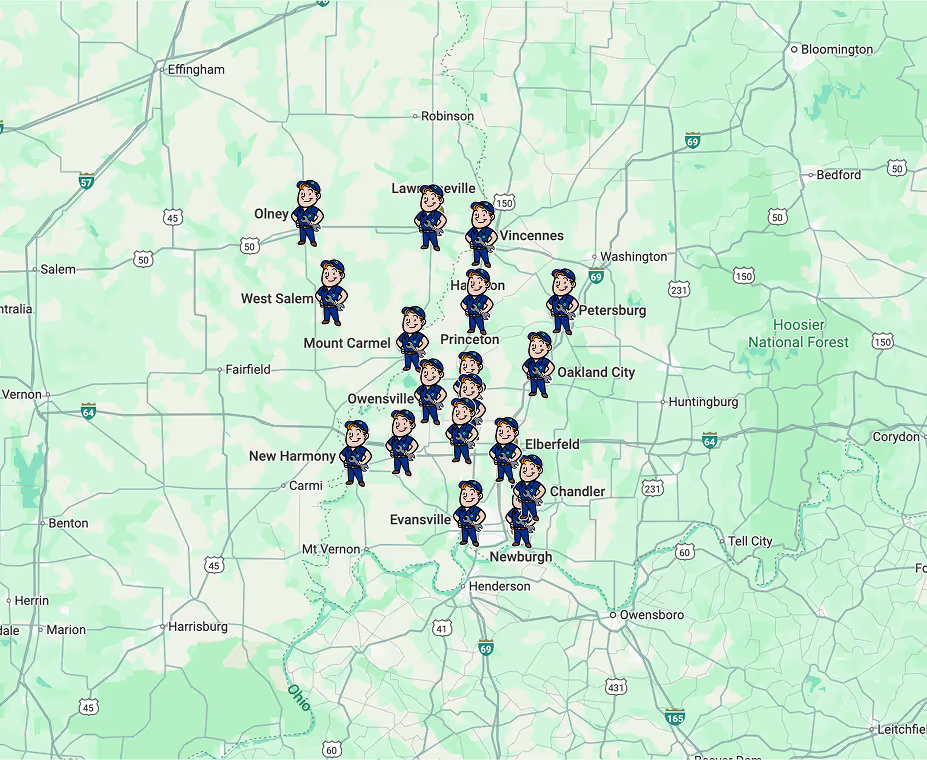
We proudly serve clients throughout our surrounding communities, delivering reliable service wherever you need us. No matter the location, our team is committed to the same high-quality results and responsive support.