Heating Repair in Elberfeld, IN
Heating repair in Elberfeld, IN with expert diagnosis, safe fixes, and 24/7 emergency response. Learn more about your repair options today.

Heating Repair in Elberfeld, IN
Keeping your home warm and safe through Elberfeld winters demands reliable heating and, when issues arise, fast and accurate repairs. At Perfect Climate Heating and Air, we want you to be informed. We'll help you recognize the symptoms of a problem, explain what our technicians look for during a diagnostic, describe common repair procedures and necessary parts, discuss expected timelines and factors affecting cost, cover emergency response availability, review warranty considerations, and even help you decide if replacement might be the smarter option. Our aim is to provide you with clear, practical information so you can make the best decision for your home's heating needs.
.jpeg)
Why heating repair matters in Elberfeld, IN
Elberfeld experiences cold, damp winters that push furnaces and heat pumps into heavy use. Older homes in the area often have aging furnaces and leaky ductwork, which increases repair frequency and energy bills. Timely heating repair prevents frozen pipes, unsafe combustion conditions, and excessive fuel use. Addressing small problems early can avoid emergency breakdowns on the coldest nights.
Common heating repair symptoms and likely causes
Recognizing symptoms early helps prioritize repairs. Common Heating Repair issues in Elberfeld include:
- Uneven or weak heat delivery
- Causes: clogged filters, failing blower motor, blocked vents, or duct leaks common in older homes
- No heat or intermittent heating
- Causes: thermostat failure, ignition/relay problems, faulty controls, or gas supply interruptions
- Furnace runs but cycles on and off frequently
- Causes: dirty flame sensor, short-cycling due to overheating from restricted airflow, or a failing control board
- Strange noises (clanking, squealing, rattling)
- Causes: worn bearings in blower motor, loose panels, broken belts, or failing inducer motor
- Yellow or flickering pilot (for older furnaces)
- Causes: incomplete combustion, which can indicate a cracked heat exchanger or venting problem—this is a safety concern
- Increased fuel bills or reduced efficiency
- Causes: aging heat exchanger, poor combustion, airflow problems, or failing components
- Odors when system runs
- Causes: dust burning off after long idle times, electrical smells from failing parts, or gas odors (which require immediate safety action)
Diagnostic process: what a technician will do
A professional diagnostic isolates root causes without unnecessary parts replacement. Typical diagnostic steps:
- Interview and symptom review to understand when and how the fault appears
- Visual inspection of furnace, heat pump, vents, and thermostat
- Check airflow: filters, blower operation, and supply/return ductwork
- Electrical and control testing: capacitors, relays, limit switches, and control boards
- Combustion and venting checks on gas furnaces: burner operation, flame quality, and flue integrity
- Safety device verification: pressure switches, flame sensors, and heat exchanger inspection for cracks or corrosion
- System performance testing: temperature rise, static pressure, and fuel/energy use patterns
- Clear explanation of findings and recommended repair options
A thorough diagnostic prevents repeat visits and targets the most cost-effective fix.
Typical repair procedures and parts used
Repairs focus on restoring safe, efficient operation. Common procedures and parts:
- Filter replacement and system cleaning to restore airflow
- Blower motor repair or replacement; bearings and belts serviced where applicable
- Ignition module, pilot assembly, or control board replacement for starting issues
- Flame sensor cleaning or replacement to stop intermittent shutdowns
- Gas valve and burner servicing for combustion irregularities
- Heat exchanger assessment: small repairs may be possible, but cracks usually require system replacement for safety
- Inducer motor and draft fan repair for venting problems
- Thermostat recalibration or replacement for control accuracy
- Duct sealing or repair when uneven heat points to distribution loss
- Condensate drain clearing on high-efficiency units
Parts used are industry-standard components selected for compatibility with your system. When OEM parts are available they are recommended to maintain performance and warranty compliance.
Expected timelines and what affects cost
- Diagnostic visit: a single thorough visit typically identifies the problem and produces repair options.
- Most common repairs: many blower, ignition, and control fixes are completed the same day once parts are available.
- Complex repairs: heat exchanger replacement, extensive ductwork repair, or major control system replacements can require additional scheduling and coordination.
Factors that affect timelines and cost:
- Parts availability for older or out-of-production units
- System accessibility and complexity (basement vs. attic units, packaged systems, etc.)
- Safety concerns requiring additional inspections (combustion testing, gas line checks)
- Whether the job uncovers multiple related issues (e.g., airflow problems plus a failing motor)
Although specific pricing varies, understanding these factors helps set realistic expectations for repair duration and overall investment.
24/7 emergency response and safety-first approach
Heating failures in freezing weather can create urgent safety and comfort risks. Emergency heating repair services in Elberfeld are structured to prioritize life-safety issues—such as loss of heat in very cold conditions, suspected gas leaks, or signs of carbon monoxide—on a 24/7 basis. After-hours repairs may be available for critical failures; expect professional on-site assessment and temporary measures when a full repair requires replacement parts or permits.
Warranty, parts, and maintenance considerations
- Parts warranties: replacement parts typically carry manufacturer warranties. Retain receipts and documentation to support claims.
- Labor warranties: reputable service providers often back repairs with a limited labor warranty covering workmanship for a defined period.
- Maintenance history: regular tune-ups preserve warranties and reduce the chance of denied claims due to neglect.
- Voided coverage: unauthorized modifications or DIY repairs can void manufacturer or safety-related warranties.
Keep service records and ask for clear warranty paperwork with each repair so coverage terms are transparent.
When replacement is the better option
Repair is not always the most economical or safe choice. Consider replacement when:
- The system is near the end of its expected service life and requires frequent repairs
- Repair costs are approaching the estimated value of a new system (consider long-term operating savings)
- There are safety-related failures such as a cracked heat exchanger or persistent combustion/venting issues
- The existing system is inefficient compared with current equipment, and you want lower energy bills and improved indoor comfort
- Replacement enables a transition to a more suitable technology for local needs (e.g., high-efficiency furnace, heat pump, or ductless options better suited to your home)
Replacement decisions should weigh upfront investment, expected energy savings in Elberfeld’s winter climate, and reliability gains.
What Our Clients
Say About Us
Our clients consistently praise our dedication and expertise. They appreciate our commitment to meeting their needs and providing sound advice, which has fostered long-lasting relationships.

SERVICE AREAS
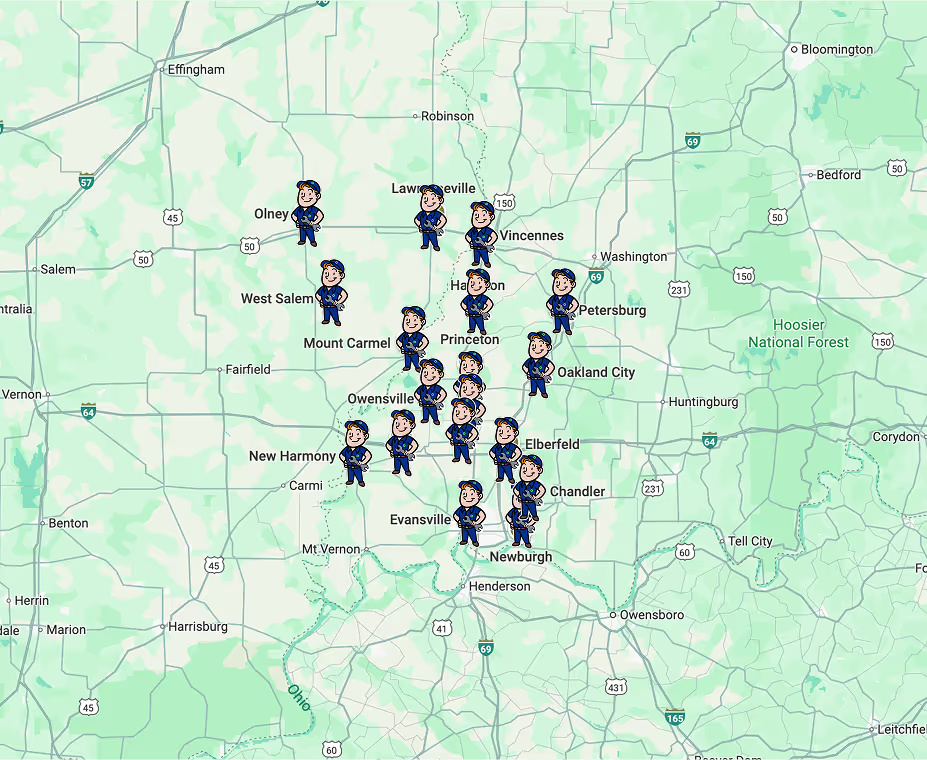
We proudly serve clients throughout our surrounding communities, delivering reliable service wherever you need us. No matter the location, our team is committed to the same high-quality results and responsive support.