Heating Installation in Elberfeld, IN
Heating installation in Elberfeld, IN: expert site assessment and load calculations to ensure comfort and efficiency. Learn more.

Heating Installation in Elberfeld, IN
When it comes to your home, a new heating system isn't just another purchase; it's truly one of the most significant investments you'll make. Especially here in Elberfeld, IN, where winters can mean prolonged cold spells and even deep freezes, having a heating system that's perfectly selected and expertly installed is absolutely critical. It’s not just about staying warm; it’s about your family's safety and keeping those energy bills manageable. Perfect Climate Heating and Air ensures your system delivers reliable, efficient comfort all season long.
-min.jpeg)
Why replace or install a new heating system?
Common reasons homeowners in Elberfeld pursue a new heating installation:
- Frequent breakdowns or rising repair costs on an aging system
- High energy bills from an inefficient unit
- Remodeling, home addition, or conversion to a different fuel source
- Need for improved zoned comfort or better indoor air quality
- Desire to reduce carbon footprint or take advantage of modern efficiency incentives
Understanding what drives your decision helps match the right system type to your home and budget.
Common heating system types and how they compare
Below are the heating systems most often considered for Elberfeld homes, with practical pros and cons to help you decide.
- Furnaces (natural gas, propane, or electric)
- Pros: Strong heat output for cold Indiana winters; reliable; fast warm-up; broad contractor familiarity.
- Cons: Fuel availability varies by neighborhood (some rural homes use propane or electric); older models can be inefficient.
- Best for: Homes already on gas or propane lines, or where high heating capacity is needed.
- Air-source heat pumps (including cold-climate models)
- Pros: High seasonal efficiency (heat and cooling in one system); modern models perform well in colder weather; eligible for many incentives.
- Cons: Performance drops in extreme cold without a backup heat source unless a cold-climate model is used.
- Best for: Homeowners wanting year-round efficiency and lower electric bills, especially in moderate winters or with properly sized cold-climate units.
- Geothermal (ground-source) heat pumps
- Pros: Most efficient option, very stable operation regardless of air temperature, long equipment life, strong rebate potential.
- Cons: High upfront cost; requires yard space and ground loop installation; longer install time.
- Best for: Homeowners planning to stay long-term, with adequate property space and a focus on maximum efficiency and durability.
- Mini-split (ductless) heat pumps
- Pros: Efficient zoned heating and cooling without ductwork; ideal for additions, basements, or older homes with poor ducts.
- Cons: Multiple indoor heads needed for whole-home coverage; appearance of wall-mounted heads may not suit every room.
- Best for: Zoned comfort, room-by-room control, or homes lacking usable ductwork.
Site assessment and load calculations
A professional site assessment ensures the system is correctly sized and specified for your Elberfeld home.
Key steps include:
- Collecting home details: square footage, insulation levels, window types, ceiling heights, orientation, and recent renovations.
- Performing Manual J load calculations to determine accurate heating and cooling loads.
- Inspecting existing ductwork (size, leakage, insulation) and electrical service capacity.
- Evaluating fuel options (natural gas, propane, or electric) and combustion venting needs.
- The result is a right-sized system specification that avoids short-cycling, poor comfort, and wasted energy.
Equipment selection guidance
When selecting equipment, consider:
- Efficiency ratings: AFUE for furnaces, SEER and HSPF for heat pumps, COP for geothermal. Higher ratings reduce operating cost over time.
- Staged or modulating operation and variable-speed fans for better comfort and dehumidification.
- Compatibility with smart or programmable thermostats and zoning controls.
- Warranty terms (parts and compressors) and typical service intervals.
- Matching indoor components and properly sized ducting or line sets for peak performance.
Permits, codes, and safety considerations
Local building codes and permit requirements apply to heating installations in Elberfeld. Typical considerations:
- Building and mechanical permits for new equipment or replacements.
- Gas line permits and inspections for natural gas or propane work.
- Proper combustion air, venting, and carbon monoxide detector placement for combustion appliances.
- Electrical permits for heat pumps or upgrades to electrical service.
- Licensed technicians should handle permit filings and local inspections to ensure code compliance and safe operation.
Step-by-step installation workflow
A standard installation typically follows these stages:
- Finalize equipment and schedule delivery based on lead times.
- Pre-install site prep: clear access, protect floors, and coordinate any needed electrical or gas upgrades.
- Removal of old equipment and proper disposal.
- Mechanical installation: set new furnace or heat pump, install combustion venting or line sets, install ground loop (geothermal) if applicable.
- Ductwork modifications, sealing, and insulation as needed.
- Electrical connections, control wiring, and thermostat setup.
- Refrigerant charging or pressure testing (as applicable) and system startup.
- Jobsite cleanup and final walkthrough.
Typical timelines:
- Simple furnace swap: usually 1 day.
- Air-source heat pump or mini-split: 1–2 days.
- Geothermal with ground loop: commonly 3–7+ days depending on loop installation and site conditions.
- Permit and inspection timelines can add several days, so plan accordingly before peak winter months.
Post-install testing, commissioning, and documentation
Proper commissioning confirms the system is safe and operating efficiently:
- Combustion analysis and gas leak checks for combustion systems.
- Refrigerant charge verification and airflow measurements for heat pumps.
- Duct leakage and static pressure checks where applicable.
- Thermostat calibration and system programming for comfort and efficiency.
- Walkthrough explaining operation, filter locations, and maintenance needs.
- Customers should receive warranty registrations, equipment manuals, and any documentation necessary for rebates or tax credits.
Warranties, rebates, and financing
- Warranties: Manufacturer parts and compressor warranties vary; many high-efficiency units include extended warranties when registered. Labor warranties depend on installer policies. Get warranty details in writing.
- Rebates and incentives: Federal tax credits and state or utility rebates may apply, especially for heat pumps and geothermal systems. Eligibility can depend on model efficiency and installation specifics.
- Financing: Multiple financing options and energy-efficiency loan programs are commonly available to spread upfront costs. Financing terms and availability vary.
What to expect during and after installation in Elberfeld
- Seasonal timing: Scheduling before the heating season helps avoid delays and emergency replacements in freezing weather.
- Older homes: Many Elberfeld homes were built decades ago; expect potential surprises like outdated ductwork, knob-and-tube wiring, or insulation upgrades that affect installation scope.
- Short-term disruption: Expect contractors in the home for the installation day(s), temporary shutdown of heating during swap, and noise associated with removal and installation activities.
- Long-term benefits: Properly selected and installed systems provide improved comfort, lower energy bills, better humidity control, and reliable operation through Elberfeld winters.
Maintenance and long-term care
Routine maintenance extends equipment life and preserves efficiency:
- Annual tune-ups (combustion appliances and heat pumps) to check safety and performance.
- Regular filter changes and occasional duct cleaning or sealing.
- Prompt attention to any unusual sounds, odors, or performance drops.
A thought-out heating installation tailored to your Elberfeld home delivers predictable comfort, energy savings, and peace of mind. With a complete site assessment, careful equipment selection, code-compliant permits, thorough installation, and professional commissioning, your household will be prepared for many winters ahead.
What Our Clients
Say About Us
Our clients consistently praise our dedication and expertise. They appreciate our commitment to meeting their needs and providing sound advice, which has fostered long-lasting relationships.

SERVICE AREAS
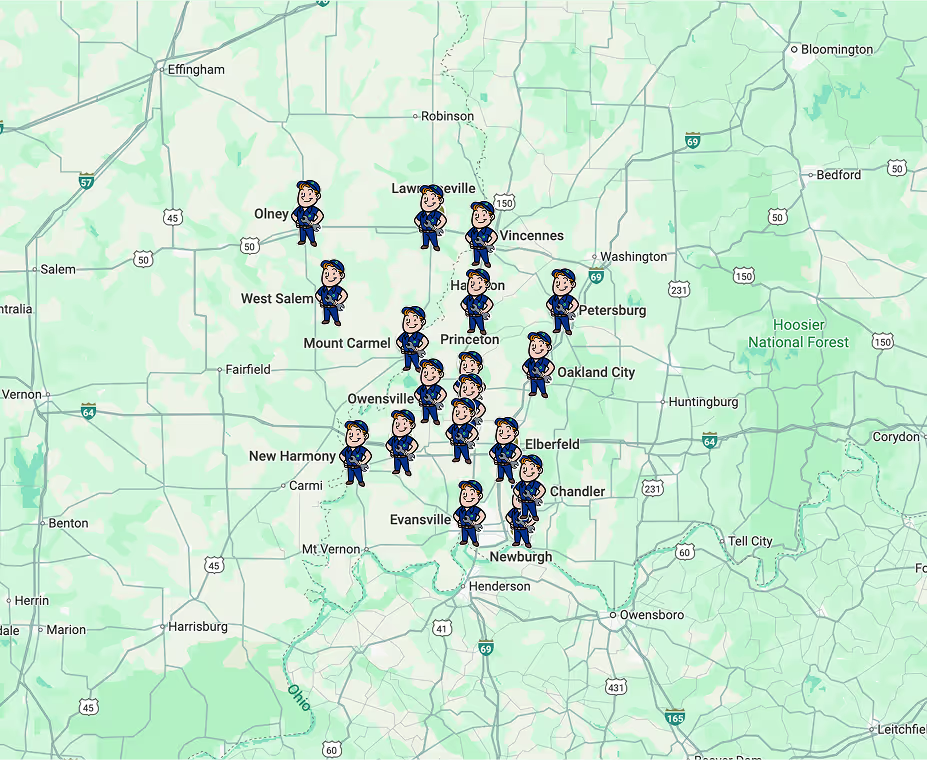
We proudly serve clients throughout our surrounding communities, delivering reliable service wherever you need us. No matter the location, our team is committed to the same high-quality results and responsive support.