Furnace Replacement in Elberfeld, IN
Furnace replacement in Elberfeld, IN: learn how we evaluate load, size, install high-efficiency units, review warranties, financing, and estimated savings.

Furnace Replacement in Elberfeld, IN
If you're looking for an upgrade that truly makes a difference in your Elberfeld, IN home, replacing your furnace is it. It’s one of the most impactful decisions for ensuring consistent year-round comfort and significantly lowering those energy bills. With our cold Indiana winters, those periodic subfreezing nights, and many older homes having varied insulation levels, an inefficient or undersized furnace can quickly become a real drain on your wallet and your comfort. Let Perfect Climate Heating and Air show you the difference a new system can make for lasting warmth and efficiency. Choose Perfect Climate Heating and Air for your furnace replacement needs.
.jpeg)
Why replace a furnace now? Common issues Elberfeld homeowners see
- Frequent breakdowns or rising repair bills on units older than 12–15 years
- Uneven heating, cold spots, or long run-times in below-freezing weather
- Excessive energy bills during winter months compared with past years
- Yellow pilot light, soot, strange odors, or rusted heat exchangers (safety concerns)
- Old single-stage units that short-cycle or struggle to maintain comfortable temperatures in fully occupied, insulated homes
System evaluation and professional load/sizing assessment
A lasting, efficient replacement starts with a thorough evaluation—not a one-size-fits-all sale. The professional process includes:
- Home inspection: Review of attic, basement, insulation levels, windows, and ductwork condition common in Elberfeld homes.
- Load calculation (Manual J): Accurate sizing based on your home’s heat loss, not just the old unit’s capacity. Oversized furnaces short-cycle and underperform; undersized units run too long in Indiana winters.
- Ductwork and airflow check (Manual D / airflow testing): Many local homes have duct leaks, undersized runs, or poor airflow that reduce efficiency and comfort. Identifying improvements at this stage avoids replacing the furnace only to continue seeing problems.
- Fuel and venting review: Assessment of natural gas, propane, or electric options and proper venting/combustion air for safety and code compliance.
Energy-efficient furnace recommendations
For Elberfeld homes, focus on equipment that matches your home’s load and improves winter performance:
- High-efficiency condensing gas furnaces (AFUE 95%+): Best fuel-to-heat conversion for natural gas homes; typical choice for significant fuel savings.
- Two-stage or modulating burners: Provide more even heat and lower run-time noise than single-stage units—helpful for open-floor plans and older homes.
- Variable-speed blowers: Improve comfort, reduce energy use for blower motor operation, and help with air filtration and humidity control.
- Electric heat pump hybrids (for homes with ductwork): In milder winter periods can reduce fossil fuel use; paired systems use a heat pump with a gas furnace backup for cold snaps.
- Right-sized units with ECM motors and sealed combustion: Ensure safety, efficiency, and consistent performance in cold snaps.
Step-by-step installation process (what to expect)
- Pre-install inspection and permit checks: Confirm permits and local code requirements for Warrick County/Elberfeld.
- Removal and disposal of old equipment: Safe disconnection, removal, and responsible disposal or recycling of the old furnace, flue, and associated components.
- Duct corrections and modifications (if needed): Sealing, insulating, or resizing ducts to optimize airflow and efficiency.
- New furnace placement and connections: Secure mounting, gas line hookup or electrical connections, correct venting/condensing drain for high-efficiency units.
- Thermostat upgrade and system integration: Option to install programmable or smart thermostats for better control and additional savings.
- Start-up, calibration, and safety checks: Combustion analysis, CO checks, airflow verification, and demonstration of system operation.
- Jobsite cleanup and documentation: Removal of debris, completion paperwork, and equipment manuals/warranty registration assistance.
Typical project timeline
- Initial evaluation and estimate: 1 appointment (45–90 minutes)
- Order and delivery of equipment: 1–7 business days depending on model availability
- Installation day(s): Standard single-family installations typically complete in 1 full day; more complex jobs (ductwork upgrades, structural access issues, or permit-related inspections) can take 2–3 days.
- Follow-up and final inspection: Same week as installation or within a scheduled maintenance visit.
Warranties and manufacturer information
- Manufacturer warranties: Parts warranties commonly range from 5 to 10 years, with some components offering up to 20 years on select models. High-efficiency heat exchangers sometimes carry extended warranties.
- Labor warranties: Professional installation labor coverage varies; ask for documented labor warranties covering workmanship for a specified period.
- Warranty registration and maintenance requirements: Many manufacturers require annual documented tune-ups to keep warranties valid—important to schedule regular service.
Financing and rebate options
- Financing: Many homeowners choose affordable financing plans through specialized HVAC lenders or in-house payment programs to spread replacement costs over time. Terms and approvals vary.
- Rebates and incentives: Potential savings from local utility rebates, manufacturer promotions, and occasional federal or state tax incentives for energy-efficient equipment. Availability changes periodically; it’s wise to check current programs when planning a replacement.
- Energy audits and whole-home improvements: Combining insulation or duct sealing with a furnace upgrade can increase rebate eligibility and improve payback.
Estimated energy savings and cost comparison examples
- Replacing an older 80% AFUE furnace with a new 95% AFUE unit typically reduces heating fuel usage by roughly 15–20% in similar service conditions.
- Example: If a household spends $1,500 per heating season on fuel, a 20% reduction equates to about $300 saved annually. Actual savings depend on fuel prices, winter severity, thermostat settings, and home efficiency.
- Switching from an older oil or propane system to a high-efficiency gas furnace or hybrid system can produce even larger savings but requires evaluating fuel availability and conversion costs.
Post-installation maintenance and long-term care
- Annual tune-ups: Seasonal inspection and cleaning, burner calibration, heat exchanger check, and safety testing preserve efficiency and warranty coverage.
- Filter management: Replace filters according to manufacturer recommendations—more often for homes with pets, allergies, or poor indoor air quality.
- Ductwork reviews every 3–5 years: Look for new leaks or settling; sealing and insulating ducts boosts long-term performance.
- Performance monitoring: Notice changes in run times, comfort levels, or noise and address them early to avoid larger issues.
What Our Clients
Say About Us
Our clients consistently praise our dedication and expertise. They appreciate our commitment to meeting their needs and providing sound advice, which has fostered long-lasting relationships.

SERVICE AREAS
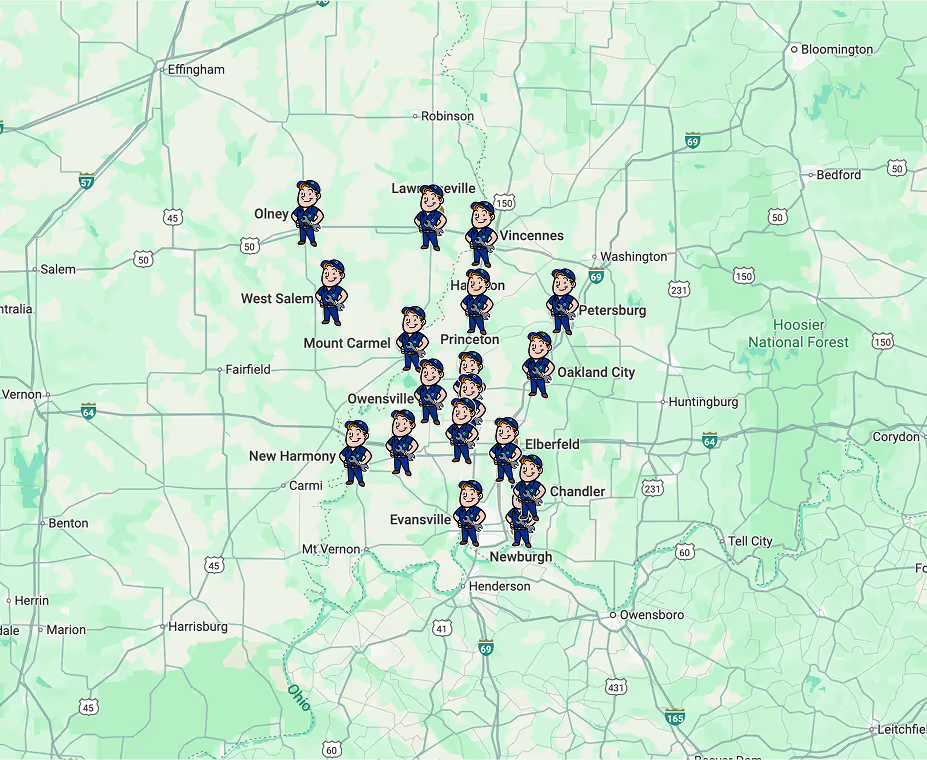
We proudly serve clients throughout our surrounding communities, delivering reliable service wherever you need us. No matter the location, our team is committed to the same high-quality results and responsive support.